Blood Pressure Check-In: My Real Talk on Staying in the Know
You’re not alone if you’ve ever felt clueless about your blood pressure. I was too—until I started paying attention to the quiet signals my body sent. High blood pressure doesn’t scream; it whispers. But with the right awareness and simple daily habits, you can stay ahead. This is about real moves, not magic fixes—just honest steps I’ve tested that help me track, understand, and manage my numbers. Always check with your doctor—but this is what’s worked for me.
The Wake-Up Call: When Normal Felt Off
It wasn’t a crisis that brought me to my senses—it was a routine visit to my primary care provider. I walked in for a yearly physical, feeling perfectly fine. I wasn’t fatigued, I wasn’t dizzy, and I certainly didn’t feel like anything was wrong. But when the nurse called out the numbers—142 over 91—I froze. That wasn’t normal. I knew that much. And yet, there had been no warning signs. No pounding headaches, no chest tightness, no shortness of breath. Just life as usual. That moment changed everything. It wasn’t fear that struck me first, but confusion. How could something so serious hide in plain sight?
That’s when I learned why high blood pressure is often called the “silent killer.” Unlike many health issues, hypertension rarely announces itself with dramatic symptoms. It builds quietly, year after year, putting strain on the heart, arteries, and vital organs without making a sound. According to the Centers for Disease Control and Prevention, nearly half of all adults in the United States have high blood pressure, and many don’t even know it. The condition increases the risk of heart disease and stroke, two of the leading causes of death among women over 40. Yet because it’s asymptomatic for so long, people often dismiss it until it’s too late.
My wake-up call wasn’t dramatic, but it was powerful. It taught me that feeling fine doesn’t mean your body is fine. It shifted my mindset from reactive to proactive. Instead of waiting for something to go wrong, I decided to take ownership of my numbers. I began to see blood pressure not as a medical term reserved for doctor’s offices, but as a daily conversation with my body—one that could guide better choices and long-term well-being.
Why Tracking Beats Guessing
Before I started tracking my blood pressure at home, I relied entirely on clinic visits. But I quickly realized something important: a single reading in a medical setting doesn’t tell the whole story. The environment matters. The white coat, the clock ticking, the fear of bad news—these can all contribute to what’s known as “white coat hypertension,” where blood pressure spikes due to anxiety during appointments. On the flip side, some people have “masked hypertension,” where their numbers appear normal at the doctor’s office but rise during daily life. Without regular monitoring, these patterns go unnoticed.
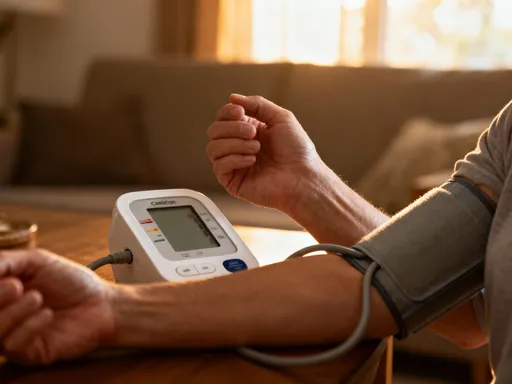
That’s why consistent tracking made such a difference. Using a validated upper-arm home blood pressure monitor gave me access to real-world data. I could see how my numbers changed after a salty meal, a restless night, or a stressful work call. I started to recognize trends instead of reacting to isolated readings. For example, I noticed my systolic pressure consistently ran higher on Sunday evenings—something I later linked to weekend family gatherings where I tended to eat more processed snacks and stay up later than usual.
Tracking also removed the guesswork from conversations with my doctor. Instead of saying, “I think my blood pressure has been okay,” I could show a two-week log with actual numbers. This kind of data helps healthcare providers make more informed decisions about lifestyle recommendations or medication needs. The American Heart Association emphasizes that home monitoring improves treatment accuracy and patient engagement. It turns passive patients into active participants in their own care. More than that, it brings a sense of control. You’re no longer at the mercy of a single number on a piece of paper—you’re building a timeline of your health.
My 3-Step Daily Check Routine (Simple & Sustainable)
Consistency is key when it comes to blood pressure monitoring, but that doesn’t mean it has to be complicated. I’ve settled into a simple three-step routine that takes less than five minutes each morning and has become as natural as brushing my teeth. The first step is measuring at the same time every day—ideally in the morning, before eating, drinking, or taking medications. This creates a baseline that’s easier to compare over time. I sit quietly for five minutes beforehand, feet flat on the floor, back supported, and arm resting at heart level. These small details matter because posture and activity can influence readings.
The second step is logging. I use a basic smartphone app that lets me record both systolic and diastolic numbers, along with notes about how I slept, whether I had coffee, or if I was feeling particularly stressed. Some days, I still use a small notebook—there’s something grounding about writing things down by hand. The act of logging reinforces awareness. It’s not just about collecting data; it’s about pausing to reflect. Did I sleep poorly? Was dinner unusually salty? These reflections help me connect lifestyle choices with physical outcomes.
The third step is the pause. After I finish the reading, I take a moment to breathe and check in with myself. How do I feel? Energized? Tense? This isn’t just a medical check—it’s become a mindfulness ritual. Over time, this routine has helped me tune into my body’s rhythms. I’ve learned that rushing through the measurement defeats the purpose. The process itself—calm, deliberate, consistent—mirrors the kind of steady care I want to give my heart. And by avoiding caffeine, exercise, or screen time for at least 30 minutes before testing, I ensure the reading reflects my true resting state.
Decoding the Numbers: What They Actually Mean
When I first saw my blood pressure numbers, I didn’t fully understand what they meant. I knew lower was better, but I didn’t grasp the difference between the top and bottom numbers. Systolic pressure—the top number—measures the force your heart exerts when it beats. Think of it like water pressure in a hose when the tap is turned on. Diastolic pressure—the bottom number—measures the pressure in your arteries when your heart rests between beats, like the hose when the tap is off but still under tension. Both numbers matter, but systolic pressure tends to get more attention in adults over 50, as it’s a strong predictor of cardiovascular risk.
The American Heart Association defines normal blood pressure as less than 120 over 80 mm Hg. Elevated blood pressure falls between 120–129 over less than 80. Stage 1 hypertension starts at 130–139 over 80–89, and Stage 2 is 140 over 90 or higher. These ranges aren’t arbitrary—they’re based on decades of research linking blood pressure levels to heart attack, stroke, and kidney disease risk. But it’s important to remember that a single high reading doesn’t mean you have chronic hypertension. Blood pressure naturally fluctuates throughout the day due to stress, activity, hydration, and even weather.
What matters most is the pattern. If your numbers consistently hover in the elevated or hypertensive range, that’s a signal to take action. The goal isn’t perfection—it’s progress. Framing blood pressure management as long-term protection, rather than a crisis response, helps reduce anxiety. It’s not about hitting a magic number every single day, but about moving in the right direction over time. Each healthy choice—more vegetables, less salt, better sleep—contributes to that downward trend. And understanding what the numbers mean makes it easier to stay motivated.
The Hidden Triggers I Didn’t See Coming
One of the most surprising things about managing blood pressure has been discovering the hidden triggers I never associated with it. I used to think only big things—like stress at work or a family history—mattered. But over time, I noticed subtle patterns. For example, I’d wake up with slightly higher readings after eating canned soup for dinner. At first, I thought it was a coincidence. Then it happened again. I checked the label—over 800 milligrams of sodium in one serving. That’s more than a third of the daily limit recommended by the Dietary Guidelines for Americans. Processed foods, frozen meals, and even some breads are loaded with hidden salt, and many people don’t realize how quickly it adds up.
Poor sleep was another culprit. On nights when I slept less than six hours, my morning readings were often 5 to 10 points higher. Research from the National Heart, Lung, and Blood Institute confirms that chronic sleep deprivation disrupts hormone regulation and increases stress hormones like cortisol, which can elevate blood pressure. Even weekend habits played a role. I used to unwind on Saturday nights with wine and salty snacks, thinking it was harmless. But I started seeing a rise in my Sunday and Monday numbers—what some experts call the “weekend effect.” It wasn’t one thing, but the combination of alcohol, sodium, and late nights that tipped the scale.
Once I identified these triggers, I made small but meaningful changes. I switched to low-sodium versions of my favorite foods, started reading nutrition labels more carefully, and began cooking more meals at home. I also added a 15-minute walk after dinner. Studies show that even light physical activity after eating can help moderate blood pressure and improve digestion. These shifts didn’t require drastic overhauls, but together, they made a noticeable difference. Within a few weeks, my average readings dropped into a healthier range. It wasn’t magic—it was mindfulness.
When to Lean on Your Doctor (And What to Bring)
No amount of home monitoring replaces professional medical care. That’s a truth I’ve come to respect deeply. Self-tracking is a tool, not a substitute. My doctor reminded me that while home readings are valuable, they need to be interpreted in context. Certain medications, underlying conditions like kidney disease or thyroid disorders, and even hormonal changes during menopause can influence blood pressure. Only a healthcare provider can evaluate the full picture.
That’s why I always bring my blood pressure log to checkups. Whether it’s a printed chart or a summary from my app, having a record of my readings over time gives my doctor concrete data to work with. Instead of relying on memory, we can look at trends together. I’ve learned to ask specific questions: “Do my numbers show a consistent pattern?” “Could any of my medications be affecting my blood pressure?” “Are there lifestyle factors we should address?” These conversations turn a routine visit into a collaborative review of my health.
I also make sure my home monitor is validated and properly calibrated. Not all devices are created equal. The FDA recommends using upper-arm cuffs over wrist monitors, as they tend to be more accurate. I had mine checked against the machine at my doctor’s office to ensure it was giving reliable readings. My doctor also advised me to avoid checking too frequently—twice a day is plenty. Obsessive monitoring can lead to unnecessary stress, which ironically may raise blood pressure. The goal is informed awareness, not anxiety.
Small Shifts, Big Payoff: How Awareness Changed My Days
What started as a concern has become a source of empowerment. Monitoring my blood pressure didn’t add stress to my life—it brought clarity. Those few minutes each morning are no longer a chore, but a moment of quiet reflection. I’ve noticed other benefits too: more energy, better focus, and a deeper connection to my body’s needs. When I make a less-than-ideal food choice, I don’t panic—I observe. Did it affect my numbers? What can I adjust tomorrow? There’s no shame, only learning.
Over time, this practice has reshaped my relationship with health. It’s no longer something I chase during annual checkups or after a scare. It’s woven into my daily rhythm. I’ve become more intentional about rest, more mindful of what I eat, and more compassionate with myself when progress isn’t linear. Blood pressure awareness, I’ve realized, is not just about preventing disease—it’s about honoring the life I have. It’s a quiet act of self-respect, a daily promise to show up for myself.
For any woman in her 30s, 40s, 50s, or beyond who feels overwhelmed by health advice or unsure where to start, I’d say this: begin with one small step. Pick one habit—measuring your blood pressure, reading food labels, walking after dinner—and commit to it consistently. You don’t need a perfect routine to make progress. You just need to begin. Because awareness is the first beat of a healthier heart, and every small choice adds to its rhythm. Your body is already speaking. It’s time to listen.