Sleep Smarter, Not Harder: How My Daily Movement Routine Transformed My Rest
Ever feel exhausted even after eight hours in bed? I’ve been there—tossing and turning, staring at the ceiling, wondering why sleep won’t come. Turns out, what I did during the day mattered way more than I thought. After testing different habits, I discovered that a simple, consistent movement plan didn’t just boost my energy—it deepened my sleep. This isn’t about intense workouts; it’s about timing, type, and tuning into your body’s natural rhythm. Let’s break down how the right motion leads to better rest.
The Hidden Link Between Movement and Sleep Quality
Many people assume that if they are tired, they should sleep better. But physical fatigue from stress or overwork does not automatically translate into restful sleep. True sleep quality depends on how well the body cycles through its natural stages—light sleep, deep sleep, and REM—each night. Research consistently shows that regular physical activity supports this process by helping regulate the circadian rhythm, the body’s internal 24-hour clock that governs when we feel alert and when we feel sleepy. Movement during the day signals to the brain that it is time to be awake and active, which in turn strengthens the contrast between wakefulness and sleep, making rest more restorative.
One of the most powerful ways movement improves sleep is through its effect on stress hormones. Cortisol, often referred to as the “stress hormone,” naturally peaks in the morning to help us wake up and gradually declines throughout the day. However, a sedentary lifestyle or chronic stress can disrupt this pattern, leading to elevated cortisol levels at night—precisely when the body should be winding down. Daily movement, especially moderate-intensity activity like walking or gentle strength training, has been shown to reduce cortisol over time. It also increases the production of endorphins and serotonin, neurotransmitters linked to improved mood and relaxation, both of which support a smoother transition into sleep.
Another common misconception is that only vigorous exercise counts. In reality, gentle, consistent movement throughout the day can be more effective for sleep than an occasional intense workout. Overexertion, particularly late in the day, can actually interfere with sleep by raising core body temperature and stimulating the nervous system. The goal is not exhaustion but balance—helping the body feel naturally ready for rest through rhythmic, purposeful activity. Studies have found that individuals who engage in regular moderate exercise fall asleep faster, spend more time in deep sleep, and report fewer nighttime awakenings. The key is consistency and alignment with the body’s natural cycles.
Why Modern Life Sabotages Both Activity and Rest
Modern lifestyles are structured in ways that unintentionally undermine both movement and sleep. Many adults spend the majority of their waking hours seated—commuting, working at desks, and relaxing in front of screens. This prolonged inactivity sends conflicting signals to the body. Without sufficient physical stimulation during the day, the brain doesn’t register the need for recovery, making it harder to initiate sleep. At the same time, the lack of movement contributes to poor circulation, muscle stiffness, and mental fatigue that can manifest as restlessness at night.
Screen exposure compounds the problem. Blue light from phones, tablets, and computers suppresses melatonin, the hormone responsible for signaling sleep onset. When this happens alongside a day of minimal physical activity, the body receives no clear cues about whether it should be alert or resting. The result is a state of being both tired and wired—a familiar experience for millions of adults who lie awake despite feeling drained. Research from the National Sleep Foundation indicates that people who sit for more than eight hours a day are more likely to report poor sleep quality and symptoms of insomnia.
Irregular schedules further disrupt the body’s rhythm. Shift work, late-night screen use, and inconsistent bedtimes confuse the circadian clock, weakening its ability to regulate sleep-wake cycles. When movement is also inconsistent—such as exercising only on weekends or not at all—the body lacks the daily anchor it needs to maintain balance. A 2021 study published in the journal Sleep Health found that sedentary behavior was strongly associated with reduced sleep efficiency, meaning people spent more time in bed without actually sleeping. The good news is that even small increases in daily movement can begin to reverse these effects, restoring the natural connection between daytime activity and nighttime rest.
Designing a Sleep-Boosting Movement System (Not Just a Workout Plan)
Improving sleep through movement doesn’t require a gym membership or hours of exercise. What it does require is a thoughtful, sustainable approach—one that integrates physical activity into daily life in a way that supports, rather than disrupts, rest. Think of it as building a movement system, not just following a workout plan. This system is based on consistency, timing, and variety, designed to keep the body engaged without overloading it. The focus is on rhythm: aligning movement with the body’s natural energy fluctuations throughout the day.
A sleep-boosting movement system includes several key elements. First, morning activation helps set the circadian clock by exposing the body to light and gentle motion. Second, daytime movement snacks counteract the negative effects of sitting and maintain energy flow. Third, evening wind-down practices signal to the body that it’s time to relax and prepare for sleep. Together, these components create a daily rhythm that supports both alertness during the day and deep rest at night.
Unlike traditional fitness programs that emphasize intensity and duration, this system prioritizes regularity and mindfulness. It’s not about burning calories or building muscle—though those can be side benefits. It’s about using movement as a tool to regulate the nervous system, improve circulation, and enhance overall well-being. The most effective routines are flexible enough to adapt to different schedules and energy levels, making them easier to maintain long-term. Whether you have 10 minutes or an hour, the goal is to move with intention, not obligation.
Morning Activation: Kickstarting Your Circadian Rhythm
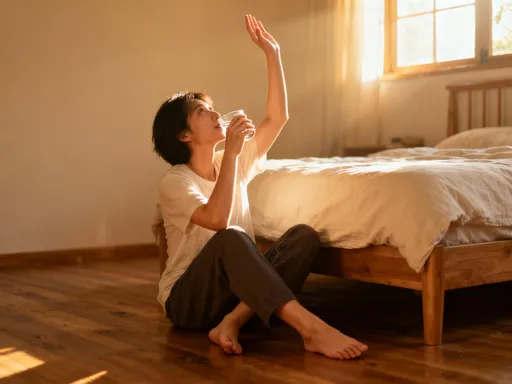
The first hour after waking is a critical window for setting your body’s internal clock. Exposure to natural light combined with gentle movement sends a powerful signal to the brain: it’s time to be awake. This simple practice can have a ripple effect on your entire day—and night. When you step outside in the morning, even for just 10 to 15 minutes, your eyes detect sunlight, which suppresses melatonin and triggers the release of cortisol in a healthy, gradual way. This helps you feel more alert and focused during the day, which in turn makes it easier to fall asleep later.
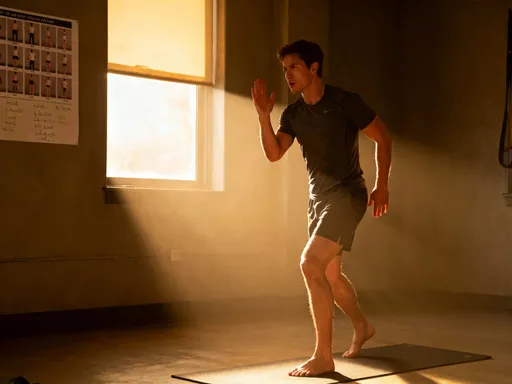
Morning movement doesn’t need to be strenuous. A brisk walk around the block, light stretching in the yard, or a few minutes of sunlit yoga can be enough to activate the body. The combination of light and motion increases blood flow, warms the muscles, and stimulates the nervous system in a gentle, sustainable way. Over time, this routine strengthens the circadian rhythm, making sleep more predictable and restorative. People who practice morning light exposure report not only better sleep but also improved mood and energy levels throughout the day.
For those with limited mobility or living in areas with less sunlight, sitting near a bright window or using a light therapy box can offer similar benefits. The key is consistency—doing it every day, even on weekends, to reinforce the body’s natural rhythm. When this habit becomes routine, the body begins to anticipate wakefulness in the morning and sleepiness at night, reducing the need for alarms and sleep aids. Morning activation is one of the most effective, yet underused, tools for improving sleep quality.
Daytime Movement Snacks: Beating Sedentary Fatigue
Sitting for long periods doesn’t just strain the back and neck—it affects the entire body’s ability to function optimally. Prolonged inactivity slows circulation, reduces oxygen flow to the brain, and contributes to mental fog and physical stiffness. These effects can linger into the evening, making it harder to relax. The solution? Movement snacks—short bursts of activity scattered throughout the day. These mini-sessions, lasting just 2 to 5 minutes, can reset the body and mind, preventing the buildup of tension that interferes with sleep.
Examples of effective movement snacks include standing up and stretching every hour, climbing a flight of stairs, doing a few seated leg lifts, or performing gentle shoulder rolls at your desk. The goal is not to elevate the heart rate significantly but to re-engage the muscles and stimulate blood flow. A study from the American Journal of Physiology found that brief periods of light activity every hour improved insulin sensitivity, reduced fatigue, and enhanced cognitive performance—all factors that contribute to better sleep.
For working mothers or caregivers with unpredictable schedules, movement snacks are especially valuable. They don’t require special equipment or dedicated time. You can do calf raises while brushing your teeth, march in place during TV commercials, or practice deep breathing with gentle arm lifts. These small actions add up, helping to maintain energy balance and reduce the physical stress that accumulates over the day. By preventing the afternoon slump and evening restlessness, movement snacks create the conditions for deeper, more restful sleep.
Evening Wind-Down Motion: Preparing the Body for Deep Rest
As bedtime approaches, the body needs to shift from a state of activity to one of relaxation. This transition is crucial for falling asleep easily and staying asleep through the night. High-intensity exercise, such as running or strength training, should be avoided in the two to three hours before bed, as it raises core body temperature and stimulates the nervous system, making it harder to wind down. Instead, gentle, rhythmic movements can help signal that it’s time to rest.
Yoga, tai chi, and slow walking are excellent choices for evening movement. These practices emphasize slow, controlled motions, deep breathing, and mindfulness—all of which activate the parasympathetic nervous system, the body’s “rest and digest” mode. A 20-minute session of gentle stretching or restorative yoga can lower heart rate, reduce muscle tension, and quiet the mind. Poses like child’s pose, seated forward bend, and legs-up-the-wall are particularly effective for promoting relaxation.
Even a short walk after dinner, especially in a quiet, natural setting, can support digestion and ease mental tension. The rhythmic motion of walking, combined with fresh air and low sensory input, helps the brain transition from active thinking to calm awareness. The key is to keep the pace slow and the environment peaceful—no headphones, bright lights, or fast movements. This type of movement doesn’t tire the body; it prepares it for rest by creating a sense of safety and stillness.
Tracking Progress and Adjusting for Long-Term Success
Change doesn’t happen overnight, and improvements in sleep may take time to become noticeable. That’s why tracking progress is essential. You don’t need expensive devices or complicated apps—simply paying attention to how you feel can provide valuable feedback. Are you falling asleep more easily? Do you wake up fewer times during the night? Do you feel more refreshed in the morning? These subjective signs are powerful indicators of progress.
For those who prefer more structured tracking, keeping a sleep journal can be helpful. Note the time you went to bed, when you fell asleep, how many times you woke up, and how you felt upon waking. You can also log your daily movement—what you did, when, and for how long. Over time, patterns will emerge, helping you identify which activities support better sleep and which may be counterproductive. Wearable fitness trackers that monitor heart rate variability and sleep stages can offer additional insights, but they should be used as guides, not absolutes.
It’s important to remember that individual responses vary. What works for one person may not work for another. Some may find that morning walks make the biggest difference, while others benefit more from evening stretching. The key is to stay curious and patient, making small adjustments based on what you observe. If a particular routine isn’t helping, try modifying the timing, duration, or type of movement. The goal is not perfection but progress—building a sustainable habit that supports long-term well-being.
Conclusion
Better sleep doesn’t come from trying harder to fall asleep. It comes from living more intentionally during the day. A well-designed movement routine—rooted in rhythm, consistency, and self-awareness—can transform the quality of your rest without requiring drastic changes. By aligning your activity with your body’s natural cycles, you create the internal conditions for deep, restorative sleep. This isn’t about fitness milestones or performance goals. It’s about honoring your body’s need for balance, motion, and stillness.
Every small step counts. A morning walk in the sun, a few stretches at your desk, a quiet walk after dinner—these moments of mindful movement add up. Over time, they reshape your relationship with both activity and rest. You may find that you no longer dread bedtime or wake up feeling groggy. Instead, sleep becomes a natural, welcome part of your daily rhythm. And as your rest improves, so does your energy, mood, and overall health.
The path to better sleep is not found in pills or complicated routines. It’s found in the simple, daily choice to move with purpose. You don’t need to be an athlete or have hours to spare. You just need to start—wherever you are, with whatever you can do. Because when you move smarter during the day, you sleep smarter at night. And that makes all the difference.