From Setback to Strength: My Real Talk on Rehab That Actually Works
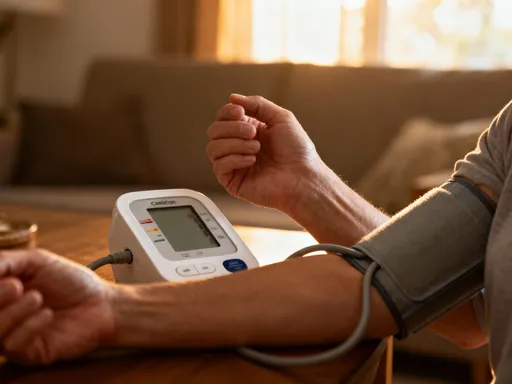
Recovery isn’t just about healing—it’s about knowing where you stand and moving forward with confidence. I used to push through pain, thinking rest was enough. But without honest health assessments, progress stalled. This is my journey through rehab training that changed everything—simple checks, real results, and the power of tracking small wins. If you're rebuilding after injury, this one’s for you. Healing is not a race, nor is it a one-size-fits-all process. It’s deeply personal, often slow, and requires patience, self-awareness, and a willingness to listen. For years, I misunderstood what true recovery meant. I believed that if I rested long enough, my body would simply reset. When pain lingered, I assumed I just needed to be stronger, more disciplined, or push harder. But the truth was far more nuanced. Real progress began not with effort, but with awareness—specifically, a clear, honest assessment of where I actually was, not where I wished to be.
The Wake-Up Call: When “I’m Fine” Wasn’t Enough
It started with a fall—nothing dramatic, just a misstep on uneven pavement. At first, I brushed it off. “I’m fine,” I said, as so many of us do. There was a twinge in my knee, stiffness in the mornings, and a dull ache after standing too long. But life went on, and so did I, adapting without realizing it. I took shorter walks, avoided stairs, and sat more often—all small compromises that added up. What I didn’t recognize was that these weren’t signs of healing; they were signs of compensation. My body was changing its patterns to protect itself, and I was letting it happen without understanding the cost.
The turning point came six months later, during a family hike. I couldn’t keep up. My knee buckled on a gentle incline, and I had to stop every few minutes. That moment shook me. I wasn’t fine. I wasn’t even close. The pain wasn’t something I could outwait or outwill. I realized I had been treating recovery like a passive event—something that would happen to me, not something I had to actively guide. The idea that healing required more than rest, more than time, was new to me. It was then I learned about functional health assessments, not as tools for athletes or the severely injured, but as essential check-ins for anyone recovering from a physical setback.
This wasn’t about dramatic medical interventions. It was about honesty—acknowledging limitations without shame, tracking symptoms without fear, and understanding that recovery isn’t linear. The belief that “toughing it out” is a virtue can be dangerous, especially when it prevents us from seeking clarity. I had equated perseverance with silence, but true strength came from speaking up—asking questions, measuring progress, and adjusting course. That shift in mindset, from denial to data, was the real beginning of my recovery.
Why Assessment Comes Before Exercise—And Why It Matters
One of the most common mistakes in rehabilitation is starting movement before understanding the body’s current state. Many people, like I once did, jump into stretching, strengthening, or mobility routines because they’ve heard these help. But without knowing what’s truly happening—where the restrictions are, which movements provoke pain, or how much range of motion has been lost—exercise can do more harm than good. The foundation of effective rehab isn’t effort; it’s evaluation. Just as a builder wouldn’t start construction without a blueprint, recovery shouldn’t begin without a clear picture of your physical baseline.
There’s a widespread misconception that rehab is simply about doing more—more stretches, more reps, more activity. But research consistently shows that personalized, assessment-driven programs lead to better outcomes. A study published in the Journal of Orthopaedic & Sports Physical Therapy found that patients who underwent individualized assessments before starting rehab experienced faster recovery times and lower rates of re-injury. Why? Because these evaluations identify specific impairments, such as muscle imbalances, joint instability, or faulty movement patterns, that generic routines can’t address.
Assessment isn’t a luxury reserved for elite athletes or those with serious injuries. It’s a practical, necessary first step for anyone returning to movement after pain or immobility. Think of it as a diagnostic compass. Without it, you might be moving, but you won’t know if you’re heading in the right direction. With it, even small improvements become measurable, and setbacks become learning opportunities. The goal isn’t perfection—it’s progress with purpose. When you understand your starting point, every action you take afterward has meaning, and every change can be tracked with clarity.
What a Real Health Assessment Looks Like (No Lab Coats Needed)
The word “assessment” might sound clinical, but it doesn’t have to be complicated or require a medical degree. A real, effective health assessment is practical, repeatable, and accessible. It’s about gathering information you can use—not to diagnose, but to guide. For me, it started with three simple tools: mobility tests, pain tracking, and daily function checks. These weren’t time-consuming or expensive. They were habits I could build into my routine, and they gave me insights no scan or doctor’s visit could fully capture on their own.
Mobility tests were the first step. I began with basic movements: can I squat without pain? Can I lift my leg to waist height? Can I touch my toes without bending my knees? I recorded my range of motion using a free smartphone app that measured angles and tracked changes over time. These weren’t about achieving perfect form—they were about knowing where I stood. Pain tracking came next. Every evening, I spent two minutes noting where I felt discomfort, on a scale from 1 to 10, and what activities seemed to trigger it. Over time, patterns emerged. I noticed that prolonged sitting made my lower back flare up, and that certain types of walking aggravated my knee.
Daily function checks completed the picture. Could I get out of a chair without using my hands? Could I walk up a flight of stairs without stopping? These weren’t just physical tests—they were reflections of real-life independence. I also started taking weekly posture photos, standing barefoot against a wall, to visually track alignment changes. Together, these tools helped me create a personal recovery map with three zones: green for safe movements, yellow for those requiring caution, and red for activities to avoid entirely. This system wasn’t rigid—it evolved as I did—but it gave me boundaries and confidence. I wasn’t guessing anymore. I was responding to real data.
My 3-Step Rehab Training Routine Built on Honest Data
With a clearer picture of my body’s needs, I built a rehab routine that was flexible, sustainable, and grounded in what the data showed. It wasn’t flashy or intense. In fact, it was surprisingly simple—just three steps, each designed to reinforce awareness and promote steady progress. The first step was daily check-ins. Every morning, before doing anything else, I spent two minutes assessing how my body felt. I rated stiffness, energy levels, and movement ease on a simple scale. This took less than five minutes but provided immediate feedback. On days when stiffness was high, I knew to prioritize gentle mobility work and avoid loading exercises. On better days, I could safely increase activity.
Step two was targeted mobility drills based on weekly self-assessments. Instead of doing the same stretches every day, I adjusted my routine based on what the data revealed. If my knee range of motion had improved, I introduced a new variation of a lunge. If my lower back was tight, I focused on pelvic tilts and cat-cow movements. These weren’t random choices—they were responses to my body’s signals. I used a printed chart to track which exercises I did and how they affected my symptoms the next day. Over time, I identified which movements helped and which didn’t, allowing me to refine my approach.
Step three was gradual load progression—but only when markers improved. This was the most important rule. I didn’t increase resistance, duration, or intensity unless my daily check-ins showed consistent improvement over at least three days. For example, I didn’t start using resistance bands until my pain levels stayed below a 3 for a full week. This prevented flare-ups and built trust in the process. The results were real: increased joint stability, fewer unexpected pain spikes, and, most importantly, regained confidence in my body. I wasn’t afraid to move anymore. I knew I had a system to guide me.
When Progress Stalls—And What the Data Revealed
After several weeks of steady improvement, my progress plateaued. My knee mobility stopped increasing, and the morning stiffness returned. At first, I felt frustrated. I had followed the routine, respected the data, and still, I wasn’t moving forward. But instead of pushing harder, I decided to reassess. I went back to my mobility tests, reviewed my pain journal, and examined my posture photos. That’s when I noticed something I’d overlooked: my sitting posture at work had deteriorated. I was leaning to one side, shifting weight off my injured leg, which was subtly reinforcing muscle imbalances.
This wasn’t something a generic rehab program would have caught. It was a small, unconscious habit—but over time, it had undermined my progress. The data didn’t lie. Once I identified the issue, I adjusted my plan. I swapped out one of my evening exercises for a glute activation drill, added an extra rest day, and set a phone reminder to check my posture every hour. Within a week, my stiffness decreased, and mobility began improving again. This experience taught me that setbacks aren’t failures—they’re feedback. The body communicates constantly, but we have to be willing to listen.
Flexibility in the rehab plan was just as important as consistency. Sticking to a routine is valuable, but so is knowing when to change it. The data gave me the confidence to adapt without fear. I wasn’t abandoning my progress; I was refining it. This mindset shift—from rigid adherence to responsive adjustment—was crucial. It turned frustration into curiosity and stagnation into opportunity. I learned that recovery isn’t about following a perfect plan. It’s about having the tools to adjust when the plan needs to change.
Beyond the Physical: How Tracking Healing Changed My Mindset
One of the most unexpected benefits of this approach was the impact on my mental and emotional well-being. For years, I had associated recovery with frustration, impatience, and a sense of loss. I missed the activities I used to enjoy and resented the limitations I faced. But tracking my healing changed that. Seeing small improvements documented in my journal—lower pain scores, increased range of motion, better sleep—gave me a sense of control. Instead of feeling broken, I began to feel capable.
The numbers and notes became proof of progress, even on days when I didn’t feel different. This reduced anxiety significantly. I no longer worried that I was making things worse or that I’d never get better. I had evidence to the contrary. My sleep improved because I wasn’t lying awake, replaying worst-case scenarios. I developed patience—not the passive kind, but an active, informed patience that came from knowing I was on the right path.
Perhaps the most profound shift was in how I viewed my body. I moved from a “fix me” mindset—waiting for someone or something to restore me—to a “know me” mindset. I wasn’t trying to force my body back to how it was. I was learning to understand it as it was now. This wasn’t about perfection. It was about partnership. I began to see my body not as an enemy that had failed me, but as an ally that was trying to communicate. That change in perspective made all the difference. Healing became less about repair and more about relationship.
Building Your Own Path: Making Assessment a Habit, Not a Chore
The most sustainable rehab routines aren’t the most intense—they’re the ones that fit into real life. The key to making assessment a lasting habit is simplicity. Start small. Pick one tool: a pain journal, a daily mobility test, or a posture check. Do it at the same time every day—after brushing your teeth, before bed, or during your morning coffee. Link it to an existing habit so it becomes automatic. Over time, add more elements as they feel natural. The goal isn’t perfection. It’s consistency with compassion.
At the same time, don’t hesitate to work with professionals. A physical therapist, occupational therapist, or primary care provider can offer valuable guidance. But come to those appointments with your own data. Share your notes, your observations, your questions. This empowers you to be an active participant in your care, not just a passive recipient. You know your body better than anyone. When you combine that insight with professional expertise, you create a powerful partnership.
Looking back, my rehab journey wasn’t defined by dramatic breakthroughs. It was shaped by small, consistent actions—daily check-ins, honest tracking, and willingness to adjust. I learned that recovery isn’t about returning to who I was before the injury. It’s about becoming someone new—someone more aware, more patient, and more in tune with their body. Rehab isn’t just a process of physical repair. It’s a journey of awareness, education, and self-respect. And while my story is personal, the principles are universal: know your body, trust the data, and move forward with purpose.
Remember, this is personal insight, not medical advice. Every body is different, and what worked for me may not work for you. Always consult with a qualified healthcare provider before starting or changing a rehabilitation program. Your health is too important to navigate alone. With the right support, the right tools, and the right mindset, recovery isn’t just possible—it’s within your reach.