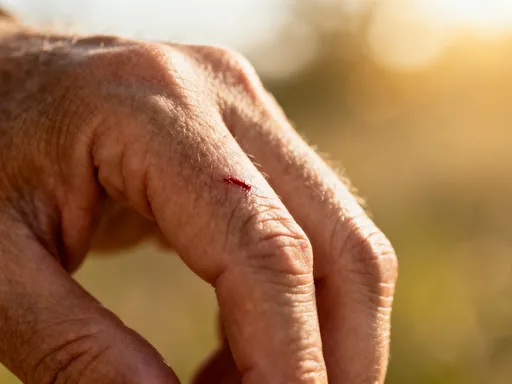
Glow From Within: How My Mind Transformed My Skin
Ever noticed how stress shows up on your face before anywhere else? I did. Breakouts, dullness, redness—my skin was screaming what my mind tried to hide. After years of chasing creams that barely helped, I realized true radiance starts not in a bottle, but in your breath, your thoughts, your daily rhythm. This isn’t about quick fixes. It’s about rewiring your inner world to reflect peace, clarity, and lasting glow on the outside. What if the secret to beautiful skin wasn’t another serum, but a shift in how you live, breathe, and care for yourself from within?
The Skin-Mind Connection: Why Your Emotions Show Up on Your Face
For decades, skin health was treated as a purely cosmetic or dermatological concern—something to be managed with topical treatments, cleansers, and occasional doctor visits. But modern science now confirms what many women have long sensed: your skin is a mirror of your inner world. Emotional stress, anxiety, and prolonged mental strain don’t just live in the mind—they register visibly on the face. The connection between the mind and skin is not metaphorical; it’s biological, measurable, and deeply interconnected through the nervous, endocrine, and immune systems.
When you experience stress, your body activates the hypothalamic-pituitary-adrenal (HPA) axis, triggering the release of cortisol, often called the “stress hormone.” Elevated cortisol levels increase oil production in the sebaceous glands, disrupt the skin’s natural barrier, and promote inflammation—all of which contribute to acne, rosacea, eczema flare-ups, and accelerated aging. Studies published in journals like Acta Dermato-Venereologica have demonstrated that individuals under high psychological stress report more severe skin conditions and slower healing times. This isn’t coincidence—it’s physiology responding to emotional load.
Equally important is the gut-brain-skin axis, a triad of communication pathways linking emotional health, digestive function, and skin integrity. The gut microbiome influences immune regulation and systemic inflammation, both of which affect skin health. Stress alters gut permeability and microbial balance, leading to what some researchers call “leaky gut,” which in turn can trigger inflammatory skin responses. This means that a tense mind doesn’t just cause a flushed face—it can initiate a chain reaction that compromises your skin at a cellular level.
The autonomic nervous system further strengthens this link. The sympathetic nervous system, responsible for the “fight-or-flight” response, reduces blood flow to the skin and impairs its ability to repair and regenerate. Meanwhile, the parasympathetic system, activated during rest and relaxation, supports healing, hydration, and collagen production. When stress becomes chronic, the body remains in a prolonged state of alert, depriving the skin of the calm conditions it needs to thrive. Recognizing this connection is the first step toward meaningful change—not just in how you treat your skin, but in how you live your life.
Recognizing the Triggers: What’s Really Behind Your Breakouts?
If your skin flares up before a big meeting, during family conflicts, or after sleepless nights, you’re not imagining it. Emotional triggers are often the hidden catalysts behind persistent skin issues. For many women, especially those managing households, careers, and caregiving roles, stress is not a single event but a constant undercurrent. The problem isn’t just the stress itself—it’s that we often fail to connect it to its physical manifestations. A breakout may appear on the chin, but the root cause might be unresolved anxiety about finances, unspoken resentment in a relationship, or the exhaustion of trying to meet everyone else’s needs before your own.
Common psychological patterns play a significant role in skin health. Perfectionism, for example, keeps the nervous system in a state of hyper-vigilance. The constant pressure to do more, be more, and look flawless creates internal tension that the skin absorbs. Similarly, people-pleasing behavior—saying yes when you want to say no—leads to suppressed emotions and chronic low-grade stress. Over time, these emotional habits become invisible burdens, quietly fueling inflammation and disrupting hormonal balance.
One of the most effective ways to uncover these triggers is through journaling. Keeping a daily log that includes not only skincare routines and diet but also emotional states, sleep quality, and significant events can reveal powerful patterns. You might notice that breakouts consistently follow arguments with a family member or occur after working late into the night. This kind of self-observation shifts the focus from symptom management to root cause awareness. It allows you to see your skin not as an enemy to be controlled, but as a messenger offering valuable feedback about your well-being.
Pattern tracking doesn’t require perfection—just consistency. Even noting three things each day—your mood, one stressor, and how your skin felt—can provide insight over time. Some women find it helpful to rate their stress on a scale of 1 to 10 and compare it to their skin’s condition. Others use apps or simple notebooks. The goal is not to obsess over every blemish, but to develop a compassionate awareness of how your inner life shapes your outer appearance. When you begin to see the connection, you gain the power to respond differently—not with frustration, but with understanding and care.
Breath as Reset: Simple Techniques to Calm Your Nervous System
Among the most accessible and scientifically supported tools for reducing stress is the breath. Unlike other physiological functions, breathing operates both automatically and consciously, making it a unique gateway to influencing the nervous system. When you consciously slow and deepen your breath, you signal to your body that it’s safe to relax. This activates the vagus nerve, the main component of the parasympathetic nervous system, which helps lower heart rate, reduce cortisol levels, and decrease systemic inflammation—all of which benefit the skin.
One effective method is diaphragmatic breathing, also known as belly breathing. This involves inhaling deeply through the nose, allowing the abdomen to rise, and exhaling slowly through the mouth. A simple practice of five minutes twice a day—once in the morning and once before bed—can significantly reduce stress markers. Research from Harvard Medical School suggests that regular diaphragmatic breathing improves emotional regulation and reduces symptoms of anxiety, which in turn supports clearer, calmer skin.
Another technique is box breathing, a method used by healthcare professionals and mindfulness practitioners to regain focus and composure. It follows a four-step pattern: inhale for four counts, hold for four, exhale for four, and hold for four before repeating. This rhythmic pattern helps stabilize the nervous system and can be done discreetly at your desk, in the car, or while waiting to pick up the kids. Just two to three minutes of box breathing can shift your body from a state of stress to one of balance.
Mindful pauses—brief moments of intentional breathing woven into daily activities—are equally powerful. You might take three deep breaths before answering a text, after hanging up the phone, or while waiting for the kettle to boil. These micro-moments of presence interrupt the cycle of chronic stress and create space for clarity. Over time, they retrain your body’s default response to pressure, making calmness more accessible. And as your internal state shifts, so does your skin. Reduced inflammation, improved circulation, and better hydration are all natural outcomes of a nervous system that spends more time in rest than in reactivity.
Mindful Moments: Building Daily Habits That Soothe Skin
Mindfulness—the practice of paying attention to the present moment without judgment—has been shown to reduce stress, improve emotional resilience, and enhance overall well-being. When applied to daily routines, especially skincare, it becomes a powerful tool for both mental and physical healing. The act of cleansing, moisturizing, or applying sunscreen can transform from a rushed chore into a nurturing ritual that calms the mind and supports the skin’s health.
Consider the simple act of washing your face. Instead of rushing through it while thinking about the next task, try engaging all your senses. Notice the temperature of the water, the scent of the cleanser, the texture of the foam, and the sensation of your fingers moving across your skin. This sensory awareness grounds you in the present and activates the parasympathetic nervous system. Over time, this practice can reduce cortisol levels and improve your skin’s response to environmental stressors.
Touch itself has healing properties. Gentle, intentional facial massage during skincare routines increases blood flow, supports lymphatic drainage, and promotes relaxation. Using upward strokes with light pressure can help reduce puffiness and encourage a healthy glow. Pairing this with a few minutes of mindful attention turns a routine into a form of self-respect—a daily affirmation that you are worth caring for.
You can anchor mindfulness to other everyday actions as well. Washing your hands, for instance, is something most women do multiple times a day. Instead of treating it as a mechanical act, use it as a cue to pause, breathe, and reconnect. Feel the water, notice the soap’s lather, and take one conscious breath before drying off. These small moments accumulate, creating a rhythm of presence throughout the day. Similarly, applying hand cream or sunscreen can become opportunities to check in with yourself—How am I feeling? What do I need right now? This kind of attunement fosters emotional balance, which radiates outward in the form of healthier, more resilient skin.
Reframing Your Inner Voice: From Criticism to Care
The way you speak to yourself matters—deeply. Negative self-talk, such as “I look tired,” “My skin is ruined,” or “I’ll never get this right,” isn’t just emotionally draining; it reinforces stress pathways in the brain and contributes to physical tension. Each critical thought triggers a micro-dose of cortisol, keeping the body in a low-grade state of alarm. Over time, this internal dialogue becomes a silent aggressor, undermining both mental peace and skin health.
The good news is that self-talk can be reshaped. Cognitive restructuring, a technique used in cognitive-behavioral therapy, involves identifying negative thoughts, challenging their validity, and replacing them with more balanced, compassionate statements. For example, instead of “I look awful today,” you might shift to “I’m doing my best, and that’s enough,” or “My skin is responding to stress, and I’m taking steps to support it.” This isn’t about forced positivity—it’s about accuracy and kindness.
Practicing compassionate self-dialogue builds emotional resilience. When you treat yourself with the same care you’d offer a close friend, you create an internal environment of safety and support. This shift reduces psychological stress and, by extension, its physical effects on the skin. Studies have shown that self-compassion is linked to lower levels of inflammation and improved emotional regulation, both of which support skin healing.
Gratitude reflection is another powerful tool. Taking a few moments each day to acknowledge what you appreciate about your body—“I’m grateful for my strong hands,” “I appreciate how my skin protects me”—shifts focus from deficiency to wholeness. This practice doesn’t erase challenges, but it changes your relationship to them. Over time, this internal shift becomes visible. Skin that once appeared dull may regain its vitality, not because of a new product, but because the woman behind the reflection has begun to treat herself with greater care.
Sleep, Light, and Rhythm: Aligning Your Body’s Natural Glow Cycle
Skin repair peaks during sleep, particularly in the deep stages of the night. This is when cell turnover accelerates, collagen production increases, and the skin rebalances hydration and pH levels. Disrupted or insufficient sleep interferes with these processes, leading to dark circles, increased sensitivity, and a lackluster complexion. But it’s not just about quantity—sleep quality and timing matter just as much. The body’s circadian rhythm, a 24-hour internal clock regulated by light and darkness, governs not only sleep but also hormone release, immune function, and skin regeneration.
Morning sunlight exposure is one of the most effective ways to reset your circadian rhythm. Just 10 to 15 minutes of natural light within the first hour of waking helps regulate melatonin and cortisol cycles, improving both alertness during the day and sleep quality at night. This, in turn, supports more consistent skin repair. Women who maintain a regular wake-up time—even on weekends—often report improved skin clarity and reduced inflammation over time.
Digital detox in the evening is equally important. The blue light emitted by phones, tablets, and screens suppresses melatonin production, making it harder to fall asleep and reducing the depth of rest. Creating a wind-down routine that begins 60 to 90 minutes before bed—such as reading a physical book, taking a warm bath, or practicing gentle stretching—signals to the body that it’s time to slow down. Using warm-toned lighting and avoiding screens during this period enhances the transition into rest.
Consistent daily rhythms extend beyond sleep. Eating meals at regular times, moving your body daily, and maintaining a predictable schedule help stabilize your internal environment. When your body knows what to expect, it can allocate energy more efficiently—supporting digestion, hormone balance, and skin health. This doesn’t mean rigid perfection; it means gentle consistency. The goal is to create a lifestyle that honors your body’s natural cycles, allowing your skin to reflect the harmony within.
When to Seek Support: Knowing the Line Between Stress and Skin Conditions
While emotional and lifestyle factors play a significant role in skin health, it’s important to recognize when professional medical care is necessary. Chronic acne, psoriasis, eczema, rosacea, and other dermatological conditions often require diagnosis and treatment from a licensed healthcare provider. Psychological strategies like stress reduction, mindful routines, and improved sleep can complement medical treatment, but they are not substitutes for it.
If skin issues persist despite efforts to manage stress and improve daily habits, it may be time to consult a dermatologist. Similarly, if symptoms worsen, spread, or are accompanied by pain, itching, or other systemic signs, professional evaluation is essential. Some conditions have genetic, hormonal, or autoimmune components that require targeted interventions such as prescription medications, topical treatments, or light therapy.
Mental health support is also valuable. If stress, anxiety, or low mood feel overwhelming, speaking with a therapist or counselor can provide tools and insight. Emotional well-being and skin health are deeply linked, and addressing both together often leads to the best outcomes. The goal is not to blame yourself for your skin, but to understand the full picture and seek the right kind of help when needed.
True self-care means knowing when to nurture and when to seek expertise. It’s about honoring your body’s needs with both compassion and clarity. By combining inner practices with professional guidance, you create a holistic approach that supports lasting healing and radiance.
Your Skin, Your Story – Healing Is Holistic
The journey to radiant skin is not a race to find the perfect product. It’s a deeper process of listening, understanding, and responding with kindness. What began as a search for clearer skin often becomes a path toward greater self-awareness and emotional balance. The glow you seek isn’t something to be applied—it’s something to be cultivated from within.
When you align your daily rhythms with your body’s natural needs, when you breathe deeply, speak gently to yourself, and honor your limits, your skin begins to reflect that inner harmony. Breakouts may still occur, and seasons of stress will come, but your relationship to them changes. You no longer see your skin as a problem to fix, but as a living record of your life—one that responds to care, rest, and presence.
Healing is not linear. It requires patience, consistency, and self-compassion. There will be days when old habits return and moments when progress feels slow. But each mindful breath, each moment of kindness, each choice to rest instead of push—these are the real foundations of lasting beauty. Your skin tells your story. Let it be one of care, resilience, and quiet strength.