Capturing Algiers: Where Every Corner Tells a Story Through My Lens
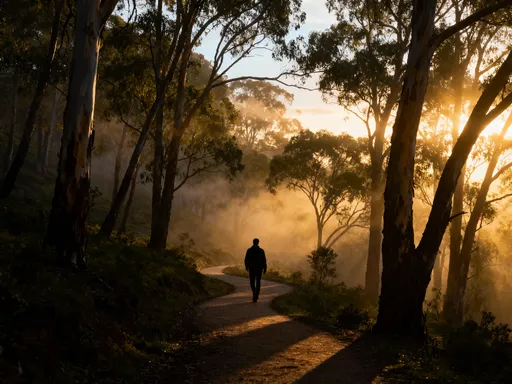
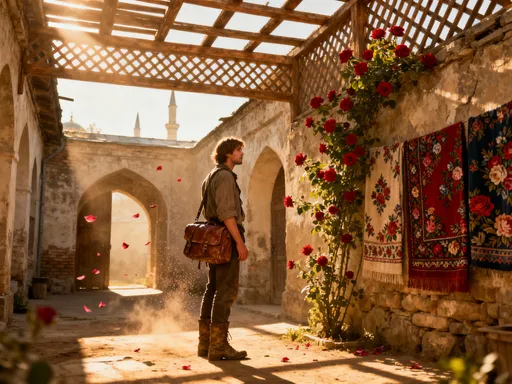
Walking through Algiers feels like flipping through a living photo album—sun-bleached alleys, turquoise doorways, and the Mediterranean shimmering in golden light. I never expected how deeply this city would inspire my camera. From bustling markets to cliffside views, every moment was a frame waiting to happen. Photography here isn’t just about taking pictures—it’s about capturing soul, color, and unexpected beauty in motion. The city pulses with a rhythm that speaks to the senses: the scent of cumin and fresh bread rising from street stalls, the echo of laughter bouncing between stone walls, and the soft hum of daily life unfolding without rehearsal. Algiers rewards the patient observer, offering layers of visual storytelling that reveal themselves only to those who walk slowly, look closely, and listen with their eyes.
First Impressions: The Visual Pulse of Algiers
Arriving in Algiers by land or sea, one is immediately struck by the city’s dramatic topography—perched on terraced hills overlooking the Mediterranean, it unfolds in a cascade of white and ochre buildings, climbing steep slopes like vines. The first light of morning gilds the domes of mosques and the edges of colonial facades, casting long shadows across narrow streets. This is a city of contrasts: modern glass-fronted offices stand beside 19th-century French neoclassical structures, while ancient stairways wind between homes that have weathered centuries of sun and sea air. The visual pulse of Algiers begins at the waterfront, where fishermen mend their nets and couples stroll along the Corniche, silhouetted against a burning orange sunset. It continues inland, where the call to prayer drifts over rooftops at dawn, mingling with the clatter of shutters opening and the first sizzle of breakfast grills.
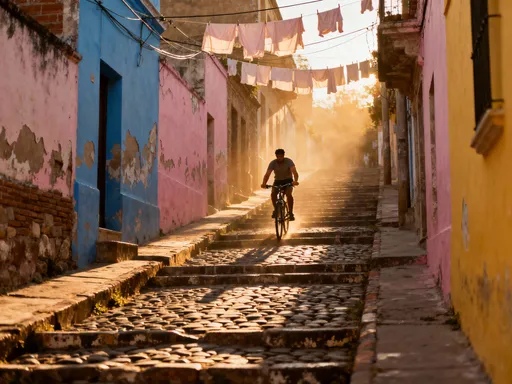
For photographers, Algiers offers an instant sense of discovery. The interplay of light and shadow is particularly striking in the late afternoon, when the sun slants through alleyways, illuminating fragments of peeling paint, rusted iron railings, and flower pots spilling geraniums. The city’s color palette—terracotta, sea-blue, sun-bleached white, and deep green shutters—creates natural harmony in every frame. Unlike more polished Mediterranean destinations, Algiers wears its history openly. Cracks in the walls tell stories. Faded advertisements from decades past peek through layers of graffiti. Every surface seems to carry a memory, waiting to be noticed. This authenticity is what draws the lens: not perfection, but presence.
What makes Algiers especially compelling for visual storytelling is its rhythm. Life here unfolds at a pace that allows for observation. People gather in doorways, sip coffee in shaded squares, and move with a deliberate grace through crowded lanes. There is no rush to hide from the camera; instead, there is often a quiet acknowledgment, a nod, a smile. The city does not perform for tourists—it simply lives. And in that unguardedness lies its photographic power. Whether capturing the gleam of a brass lantern in a shop window or the wrinkled hands of a man rolling cigarettes on a park bench, the photographer becomes a witness to a culture rooted in tradition yet fully engaged with the present.
Kasbah Chronicles: Framing History in the Old City
The Casbah of Algiers, a UNESCO World Heritage site, is the heart of the city’s visual and historical identity. Perched on a hill overlooking the bay, this ancient medina is a maze of stepped alleys, vaulted passageways, and Ottoman-era houses with overhanging balconies and intricately carved wooden shutters. Walking through the Kasbah is like stepping into a three-dimensional archive—every corner holds evidence of centuries of craftsmanship, migration, and resilience. The buildings, constructed from stone and stucco, rise several stories high, connected by covered bridges and narrow staircases that twist unpredictably. It is a place where architecture defies straight lines and logic, where the path forward is often upward or sideways, and where light filters down from above in slanted beams.
Photographing the Kasbah presents both challenges and rewards. The tight, uneven spaces require agility and patience. Wide-angle lenses are essential for capturing the depth of alleyways, while macro settings reveal the beauty in weathered textures—crumbling plaster, iron door knockers shaped like hands, and centuries-old tilework in faded cobalt and emerald. The uneven lighting, with patches of brilliant sun and deep shadow, demands careful exposure adjustment. Yet these very constraints encourage creativity. Reflections in puddles after a brief rain double the scene. Shadows become compositional elements. A single shaft of light can highlight a child’s face or a basket of figs resting on a windowsill.
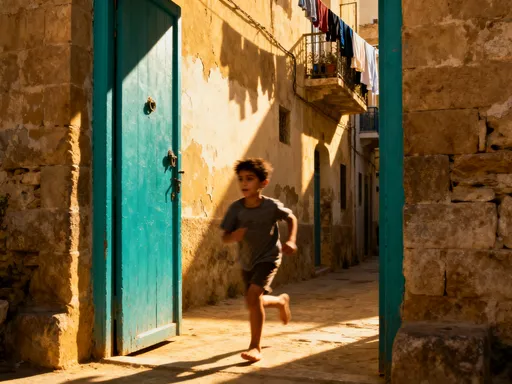
More than its architecture, the Kasbah comes alive through its people. This is not a preserved relic but a living neighborhood, home to thousands of residents who maintain routines unchanged for generations. In quiet courtyards, women knead dough for flatbread, their movements rhythmic and precise. Elderly men gather in small circles, sipping sweet mint tea and discussing the day’s news. Children chase each other through archways, their laughter echoing off stone walls. These moments, unposed and unfiltered, are the soul of the Kasbah’s visual narrative. To photograph them is not to intrude, but to honor—to freeze a gesture, a glance, a shared silence that speaks volumes about community and continuity.
The authenticity of the Kasbah lies in its imperfections. Paint peels from wooden beams. Laundry hangs between balconies, fluttering like flags. A cat naps on a sun-warmed step. These details, often overlooked, are what make the photographs memorable. They remind the viewer that history is not confined to museums; it lives in the everyday. For the photographer, the challenge is to balance respect with curiosity—to capture the essence without reducing it to a stereotype. The Kasbah does not offer easy shots; it demands presence, humility, and time. But for those willing to listen with their lens, it offers a story written in stone, light, and life.
Light & Timing: Chasing the Golden Hour Along the Coast
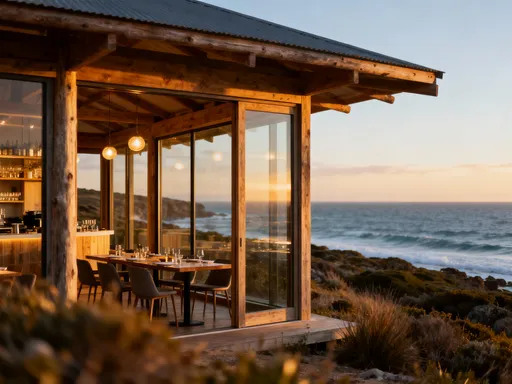
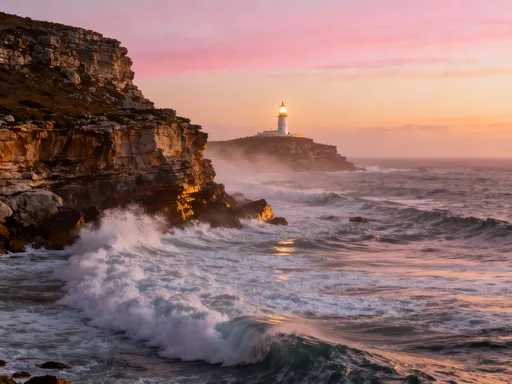
In Algiers, light is not just a condition for photography—it is a character in the story. Nowhere is this more evident than along the Corniche, the coastal road that curves above the Mediterranean, offering panoramic views of the sea and the city. At sunrise, the sky shifts from deep indigo to soft lavender, then bursts into gold as the sun clears the horizon. The water, calm and glassy, reflects the colors like a mirror, doubling the impact of the moment. By late afternoon, the golden hour transforms the coastline again, bathing the whitewashed buildings in warm amber and casting long, dramatic shadows across the cliffs. This is when Algiers reveals its most photogenic self—soft, luminous, and deeply atmospheric.
For photographers, timing is everything. Arriving at the Corniche an hour before sunrise allows time to scout compositions, adjust equipment, and settle into the rhythm of the morning. The same is true for sunset, when locals begin to gather along the promenade, walking, talking, or simply watching the day end. Fort l'Empereur, a historic coastal fortress, offers one of the best vantage points. Perched on a rocky outcrop, it provides elevation and depth, ideal for layered compositions that include sea, sky, and city. From here, a wide-angle lens can capture the sweep of the bay, while a telephoto setting isolates distant fishing boats or the silhouette of a lone figure against the fading light.
The Mediterranean itself becomes a dynamic subject during these hours. Waves catch the light in fleeting sparkles, creating patterns of motion that can be captured with slower shutter speeds. Fishermen in small wooden boats move silently across the water, their nets trailing behind them. Using a shutter speed of 1/15 to 1/30 second can blur the waves into soft ribbons while keeping the boats sharp, adding a sense of calm movement. Backlighting during sunrise and sunset produces striking silhouettes—of palm trees, archways, or people walking along the shore. These images, rich in contrast and mood, often become the most evocative in a travel portfolio.
Practical considerations matter. The coastal breeze can be strong, so a lightweight tripod with a sandbag or weight is advisable. Polarizing filters help reduce glare on the water and enhance sky contrast. For handheld shooting, ISO settings between 100 and 400 maintain image clarity without noise. But beyond technical advice, the golden hour in Algiers is best experienced with intention. It is a time for stillness, for breathing in the salt air, for letting the scene settle into the eye before the camera clicks. The best photographs are not taken—they are felt. And in Algiers, the light makes feeling easy.
Street Life in Full Frame: Markets and Urban Energy
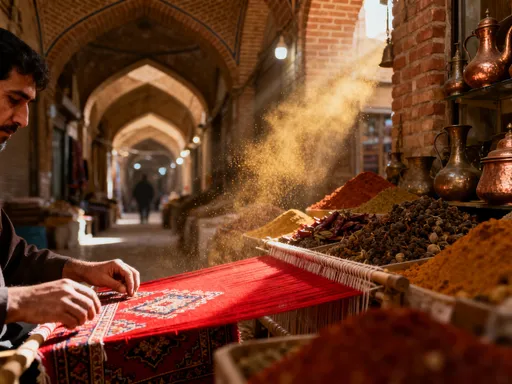
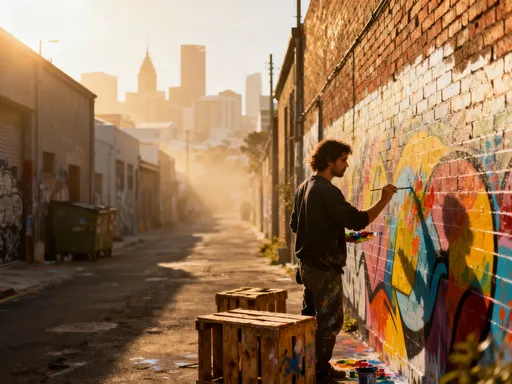
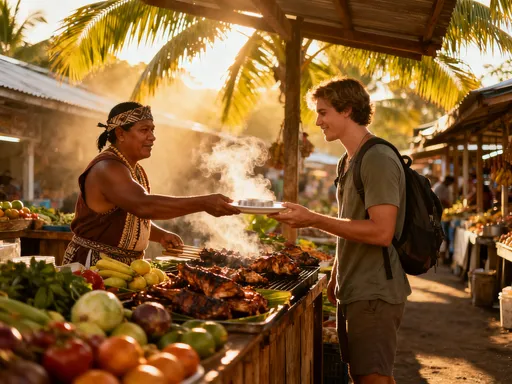
The markets of Algiers are where the city’s energy is most concentrated, a feast for the senses and a paradise for documentary photography. Marché de la Place Audin, one of the oldest and most vibrant, pulses with color, sound, and movement. Stalls overflow with pyramids of saffron, cumin, and paprika in shades of crimson and gold. Baskets brim with olives, dates, and preserved lemons. Handwoven rugs in geometric patterns hang like tapestries, while butchers display lamb and chicken with quiet pride. The air is thick with the scent of grilling merguez, fresh herbs, and ripe citrus. Vendors call out prices in a rhythmic cadence, their voices blending with the clatter of baskets and the hum of conversation. This is not a staged market for tourists—it is a working marketplace, essential to daily life, where every transaction carries weight.
Photographing such scenes requires more than a fast shutter speed; it demands empathy and awareness. The key to ethical street photography in Algiers is respect. This means moving slowly, observing before shooting, and never forcing a moment. A smile, a nod, or a simple "bonjour" in French or "salam" in Arabic can open a door. Many vendors welcome photos, especially if asked politely. Some even pose proudly beside their stalls, hands gesturing toward their goods. Others prefer to be left in peace, focused on their work. The photographer must learn to read these cues, to know when to raise the camera and when to lower it.
The most powerful images from the market often come from patience. Waiting for the right moment—the vendor wiping sweat from his brow, a child reaching for a piece of fruit, sunlight catching the steam from a pot of couscous—results in authenticity. These are not just pictures of a place, but of people living their lives with dignity and purpose. The use of natural framing—archways, baskets, or hanging textiles—adds depth and context. Close-ups of hands handling spices or arranging bread reveal texture and care. Wide shots capture the chaos and order coexisting in the same space.
Algiers’ markets also teach the value of simplicity. A single image—a basket of oranges glowing in a shaft of light, a woman’s hennaed hands counting coins—can say more than a dozen busy scenes. The photographer’s role is not to capture everything, but to find the essence. In doing so, they honor the spirit of the market: vibrant, resilient, and deeply human. For the women who visit these markets weekly, who navigate the crowds with practiced ease, the photographs resonate not as exotic curiosities, but as familiar truths—a reflection of the life they know and cherish.
Architectural Contrasts: From French Colonial to Islamic Elegance
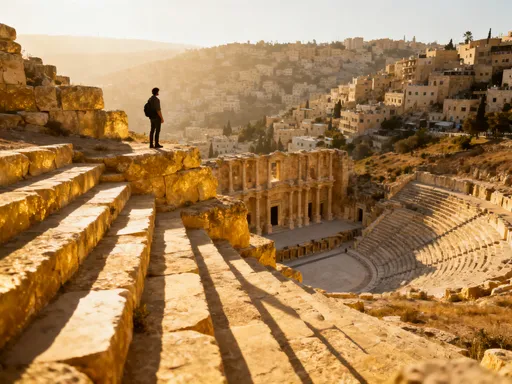
One of Algiers’ most compelling visual themes is its architectural diversity—a testament to centuries of cultural exchange and layered history. In the city center, wide boulevards lined with neoclassical buildings speak of the French colonial era. Grand facades with ornate cornices, wrought-iron balconies, and tall arched windows evoke a European elegance, yet adapted to the North African sun. The Grand Poste d'Alger, with its domed roof and intricate mosaics, blends French design with Islamic motifs, a physical manifestation of cultural fusion. Nearby, the Ketchaoua Mosque, once a cathedral during colonial rule, has been restored as a place of Islamic worship, its white minarets and green-tiled roof standing in quiet dignity.
This juxtaposition creates powerful photographic opportunities. A single frame can include a colonial balcony draped in bougainvillea beside a narrow alley leading into the Kasbah. A modern café with floor-to-ceiling glass windows opens across the street from a 17th-century Ottoman house. These contrasts are not clashes—they are conversations between eras, styles, and identities. Photographers can use leading lines, such as the curve of a street or the edge of a building, to draw the eye through these layers. Symmetry, often found in courtyards and archways, adds balance and harmony to compositions.
Detail shots reveal even more. Iron grilles on windows feature geometric patterns reminiscent of Islamic art. Doorways are framed with carved stone or painted wood in deep blues and greens. Tile work—zellige—in mosques and old homes displays complex tessellations in earthy tones. These elements, often overlooked, are the quiet poetry of Algiers’ architecture. A macro lens can isolate a single tile, a rusted hinge, or a weathered inscription, turning the ordinary into art.
The city’s modern structures add another dimension. Brutalist government buildings from the mid-20th century stand in bold contrast to the ornate past, their raw concrete surfaces reflecting a different kind of beauty—one of strength and simplicity. Photographing these requires a shift in perspective: finding beauty in form rather than decoration, in shadow rather than color. The interplay between old and new, delicate and stark, tells a story of a city that honors its past while moving forward. For the photographer, Algiers becomes a living gallery, where every block offers a new exhibition of time, taste, and transformation.
Local Encounters: Portraits with Permission and Purpose
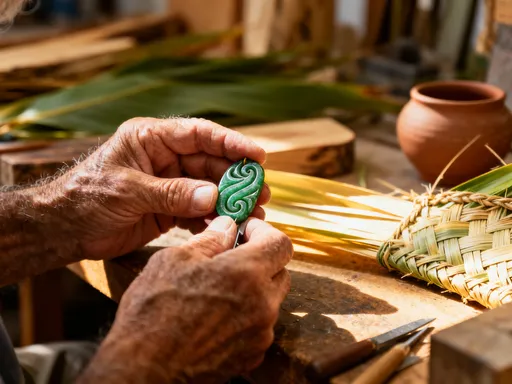
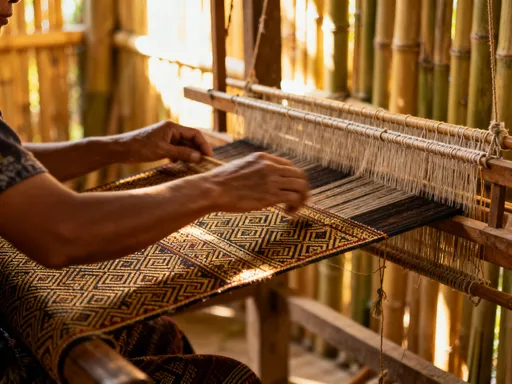
Some of the most meaningful photographs from Algiers are not of places, but of people. Portraits taken with permission and connection carry a depth that landscapes alone cannot convey. Over several days, I met artisans in the Kasbah who still practice traditional crafts—woodcarvers shaping intricate screens, weavers threading wool on handlooms, potters shaping clay on foot-powered wheels. These individuals, often working in dimly lit workshops, welcomed my curiosity. Asking first in French or broken Arabic, then waiting for a nod, created a moment of mutual respect. Many smiled, adjusted their clothing, or invited me to see their work up close before allowing a photo.
Fishermen along the port offered another kind of portrait. Early in the morning, they returned with their catch, their faces lined by sun and wind, their hands calloused from years of handling nets. Some were hesitant at first, but a shared coffee or a compliment on their boat broke the ice. One man, named Farid, invited me onto his vessel, pointing proudly to the day’s haul. The resulting image—a close-up of his hands holding a silvery fish, the sea behind him—became one of the most powerful in my series. It was not staged; it was shared.
Café owners, too, became subjects. In small neighborhood tea houses, men gathered to drink sweet mint tea and play dominoes. The owners, often older men with thick mustaches and aprons dusted with flour, moved between tables with quiet authority. One, in the Belcourt district, insisted I sit and drink with him before taking any photos. Over tea, we spoke of family, football, and the changes in the city. When I finally raised my camera, it felt like photographing a friend.
These encounters taught me that portrait photography in Algiers is not about capturing strangers, but about building bridges. A simple exchange—language, gesture, hospitality—transforms the image from observation to relationship. The resulting photographs are not just visual records; they are tokens of connection. For the women who view these images, they may evoke memories of their own interactions with kind strangers, of moments when a smile crossed a cultural divide. In a world that often feels divided, such images remind us of our shared humanity.
Practical Photography Tips for Shooting in Algiers
For those planning to photograph Algiers, preparation enhances both safety and creativity. A versatile zoom lens (24-70mm) is ideal for navigating tight alleys and capturing distant details. A prime 50mm lens excels in low light and produces beautiful portrait depth. A lightweight tripod is useful for long exposures at dawn or dusk, especially along the Corniche. Since the city involves extensive walking, comfortable shoes and a compact camera bag are essential. Staying hydrated is important, particularly in summer months when temperatures rise.
Public transportation, including the modern metro and bus system, connects key areas efficiently. However, the best way to discover hidden corners is on foot. Walking allows for spontaneous moments—children playing in a courtyard, a street musician tuning his oud, a vendor arranging flowers. A small notebook is invaluable for jotting down permissions, names, or notes about light conditions. Some locals appreciate seeing their photo later, so having a digital display ready can build trust.
Dress modestly to respect local norms—long sleeves and trousers for both men and women are recommended, especially in the Kasbah and religious sites. Avoid photographing in restricted areas such as military zones or government buildings. Always ask before photographing individuals, particularly women. Privacy is valued, and consent is not just polite—it is necessary. Carrying a printed card in Arabic and French explaining your photography project can help in conversations.
Finally, embrace the unexpected. Algiers does not always follow a schedule. A market may shift locations. A street may be closed for repairs. A sudden rain shower may send everyone indoors. These disruptions are not obstacles—they are part of the story. The best photographs often come from detours, delays, and quiet moments of waiting. By staying open, patient, and respectful, photographers can create work that is not only beautiful, but meaningful.
Conclusion: Why Algiers Belongs in Every Traveler’s Visual Diary
Algiers changed the way I understand photography. It taught me that the most powerful images are not those with perfect exposure or composition, but those that carry emotion, context, and truth. This city, often overlooked in global travel narratives, is a treasure trove of visual storytelling—a place where history, culture, and daily life converge in vivid detail. From the golden light on the Corniche to the quiet dignity of a craftsman’s hands, Algiers invites the lens not to capture perfection, but to witness presence.
For women who travel not for spectacle but for connection, Algiers offers a rare depth. It is a destination that rewards curiosity, patience, and respect. It does not reveal itself all at once; it unfolds slowly, like the pages of a well-loved book. Each photograph becomes a chapter—a moment of light, a shared smile, a fragment of sound and color frozen in time. To visit Algiers with a camera is not to take, but to receive—to accept the gift of a story told in alleyways, market stalls, and sunlit courtyards.
So pick up your lens, pack your patience, and come with an open heart. Let Algiers surprise you. Let it challenge your assumptions and expand your vision. This North African gem does not need embellishment. It simply asks to be seen—to be framed not as exotic, but as real. And in that seeing, we do not just document a place. We remember what it means to be human, to belong, to belong to the moment. Algiers waits, one frame at a time.