Through the Lens of Bilbao: Where Steel, Sky, and Soul Collide
Bilbao isn’t just a city—it’s a visual symphony. When I first stepped into its reimagined streets, camera in hand, I didn’t expect to be so moved by the play of light on titanium, the curve of a modern bridge, or the quiet poetry of a graffiti-covered wall. This is a place where industrial grit meets artistic rebirth, and every corner offers a new frame worth capturing. Once defined by shipyards and steel mills, Bilbao has transformed into a living canvas of architecture, culture, and everyday beauty. For photographers—whether amateur or seasoned—this Basque city delivers a rare blend of bold design and human warmth. Here, the past is not erased but reinterpreted, and the future unfolds in reflective curves and sunlit alleyways.
The Guggenheim Effect: How Architecture Became a Muse
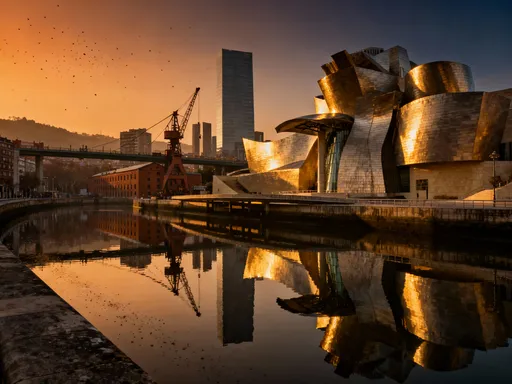
The Guggenheim Museum stands as one of the most iconic architectural achievements of the modern era, and its presence in Bilbao is nothing short of transformative. Designed by Frank Gehry and opened in 1997, the museum’s undulating titanium panels catch and refract light in ways that shift with every passing cloud and changing hour. It is not merely a building to photograph, but a living subject that evolves throughout the day. For photographers, this means the opportunity to capture the same structure in vastly different moods—soft and silvery at dawn, blazing with golden intensity at sunset, or glowing under the cool wash of evening lights.
One of the most compelling aspects of photographing the Guggenheim is understanding how to frame it within the broader urban context. While close-up shots of its sculptural form are striking, wider compositions that include the surrounding river, footbridges, and city skyline help tell a richer story. The western approach along the riverbank offers a full frontal view, ideal for symmetrical compositions using a wide-angle lens. From this angle, the museum appears to rise directly from the Nervión, its reflections dancing on the water’s surface. A telephoto lens, meanwhile, allows photographers to isolate specific curves and textures, emphasizing the organic, almost aquatic quality of Gehry’s design.
Early morning is widely regarded as the optimal time for photography, when crowds are minimal and the low-angle sunlight gently caresses the titanium surfaces without creating harsh glare. The soft, diffused light of an overcast day can also produce stunning results, enhancing the metallic sheen while minimizing distracting hotspots. Photographers should experiment with polarizing filters to manage reflections, particularly when shooting from the Zubizuri Bridge, where glass tiles and water create complex interplays of light. Additionally, long-exposure techniques at dusk can capture the transition from daylight to artificial illumination, blending the warm glow of streetlights with the cool shimmer of the museum’s facade.
Beyond technical considerations, the Guggenheim challenges photographers to think creatively about perspective. Shooting from below emphasizes the building’s monumental scale, while elevated vantage points—such as those found along the surrounding hills—offer abstract interpretations of its flowing form. The museum’s reflective nature invites play with surroundings; capturing the sky, passing clouds, or even nearby pedestrians mirrored in its surface adds narrative depth. In this way, the Guggenheim becomes more than a subject—it becomes a collaborator in the photographic process, transforming each image into a dynamic dialogue between structure, light, and environment.
Along the Nervión: Riverfront Frames That Tell a Story
The Nervión River is the lifeblood of Bilbao, winding through the city like a ribbon connecting past and present. Its banks have been revitalized into scenic promenades, offering some of the most visually compelling pathways for photographers seeking both grand vistas and intimate moments. Walking along the river, one encounters a seamless blend of engineering and artistry—sleek footbridges, historic quays, and contemporary public sculptures—all set against the ever-changing backdrop of water and sky. The river does more than divide the city; it frames it, reflecting its evolution in rippling, liquid mirrors.
Among the most photographed spans is the Zubizuri Bridge, designed by Santiago Calatrava. With its white steel arch and suspended glass deck, it creates strong leading lines that draw the eye toward the Guggenheim and beyond. Photographers often position themselves at river level to emphasize the bridge’s curvature, using a wide-angle lens to include both its structure and its reflection. The interplay between solid form and liquid mirror offers endless compositional possibilities, especially during twilight when artificial lighting begins to illuminate the scene. The contrast between the warm tones of streetlights and the cool blue of the fading sky adds emotional resonance to these images.
Another powerful vantage point is the Arriaga viewpoint, located just upstream from the city center. From here, the river bends gracefully, allowing for panoramic compositions that capture multiple landmarks in a single frame—the Guggenheim, the Euskalduna Palace, and the distant hills that cradle the city. This location is particularly effective for long-exposure photography, where slow shutter speeds smooth the water’s surface into a glassy expanse, enhancing reflections and creating a sense of stillness amid urban energy. Tripods are recommended, especially in low-light conditions, to ensure sharpness and clarity.
But the river’s storytelling potential extends beyond architecture. Human elements—cyclists gliding along the path, couples pausing for a quiet moment, or workers maintaining the embankments—add authenticity and warmth to riverfront scenes. Capturing these moments requires patience and discretion, but the results are often the most memorable: a child pointing at a passing boat, steam rising from a coffee vendor’s cart, or laundry fluttering between buildings near the older districts. These details ground the city’s grand transformations in daily life, reminding viewers that Bilbao’s renaissance is not just aesthetic but deeply human.
Night photography along the Nervión offers a different kind of magic. As darkness falls, the city’s lighting design comes into full effect. The Guggenheim is gently uplit, its titanium curves glowing like a futuristic vessel. Other structures, such as the Iberdrola Tower, add vertical emphasis with their illuminated facades. Long exposures of 10 to 30 seconds can capture the trails of passing cars on nearby roads, creating streaks of light that animate the composition. For those seeking atmospheric depth, fog rolling in from the Bay of Biscay can soften edges and add mystery, turning familiar landmarks into ethereal silhouettes.
Old Town Reimagined: Casco Viejo’s Hidden Visual Layers
Just a short walk from the gleaming modernity of the Guggenheim lies Bilbao’s historic heart—Casco Viejo, a network of narrow streets and centuries-old buildings that pulse with vitality. Here, the city’s past is not preserved behind glass but lived in, adapted, and celebrated. Photographers entering this district are immediately struck by the contrast: weathered stone facades stand beside brightly painted shutters; ancient churches neighbor bustling pintxo bars; and iron balconies drip with flower boxes tended by residents. Every alley tells a story, and every doorway invites exploration.
The seven original streets of Casco Viejo—such as Somera, Artecalle, and Tendería—form a compact grid ideal for wandering with a camera. The low sun filtering through tall buildings creates dramatic chiaroscuro effects, casting deep shadows and bright highlights that enhance texture and depth. Stone walls, worn smooth by time, glow warmly in afternoon light, while puddles from recent rain multiply reflections, doubling the visual richness of the scene. Close-up shots of door knockers, weathered wood, and hand-painted signs offer compelling details that speak to the area’s enduring character.
One of the most rewarding aspects of photographing Casco Viejo is capturing its vibrant street life. The Mercado de la Ribera, one of Europe’s largest indoor markets, is a feast for the senses and the lens. Stalls overflow with fresh fish, regional cheeses, seasonal fruits, and wheels of Idiazábal cheese, all displayed with care and pride. Early mornings are best for photography here, when vendors are arranging their goods and natural light streams through the market’s large windows. The interplay of color, texture, and human activity creates dynamic compositions that feel alive and immediate.
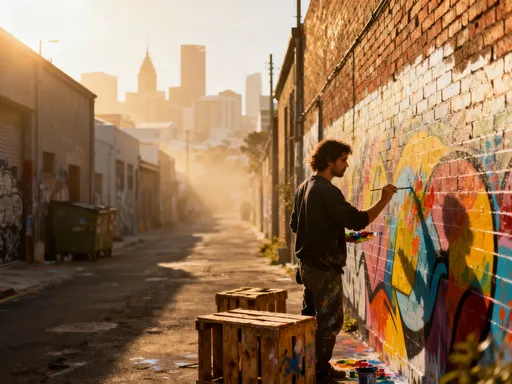
Yet Casco Viejo is not frozen in tradition. Graffiti and street art appear on unexpected walls, adding a contemporary edge to historic surfaces. Some of these works are politically inspired, while others are purely decorative—a burst of color on a gray wall, a whimsical character peering from a corner. Photographers should approach such elements with respect, recognizing that they are part of the neighborhood’s evolving identity. Capturing the contrast between ancient stonework and modern spray paint can yield powerful images that reflect Bilbao’s layered soul.
Equally compelling are the quiet moments: a cat sleeping in a sunlit doorway, an elderly woman watering plants on her balcony, or the steam rising from a café window on a cool morning. These fleeting scenes require observation and timing, but they often result in the most emotionally resonant photographs. Using a 35mm or 50mm lens allows for natural perspective and quick focusing, ideal for candid shots. A slightly higher ISO setting may be necessary indoors or in shadowed alleys, but modern cameras handle low light with remarkable clarity.
Elevate Your View: Capturing Bilbao from Above
To truly appreciate Bilbao’s topography—one of a city folded into a narrow valley along a winding river—photographers must rise above street level. The Artxanda Funicular, a charming vintage railway that has served the city since 1915, provides effortless access to one of the best panoramic viewpoints in the region. A short ride from the base station near the river takes visitors to the summit of Mount Artxanda, where sweeping vistas unfold across the entire metropolitan curve of Bilbao. From this elevation, the city reveals its structure: clusters of red-tiled roofs, ribbons of roads, and the sinuous path of the Nervión threading through it all.
The main terrace near the Artxanda restaurant offers a clear, unobstructed view facing east, ideal for sunrise photography. On clear mornings, the first light bathes the distant hills in soft gold while the city below remains wrapped in cool blue shadows. This contrast creates a natural gradient that adds drama to wide-angle compositions. A tripod is essential for capturing the full dynamic range, especially when including both bright sky and darker foreground elements. Telephoto lenses can isolate specific landmarks—the Guggenheim, the Zubizuri Bridge, or the spire of Santiago Cathedral—allowing for detailed study of their placement within the urban fabric.
For those seeking a wilder perspective, short trails lead into the surrounding hills, offering more secluded vantage points. These locations are perfect for capturing the city in context with nature—the way forests cling to steep slopes, or how fog settles in the valley like a blanket before burning off in the afternoon sun. Overcast days, often seen as a challenge, can actually enhance these elevated views by softening contrasts and creating a moody, atmospheric tone. The diffused light minimizes harsh highlights and allows for even exposure across large scenes.
Safety and accessibility are important considerations. The funicular operates regularly and is wheelchair accessible, making the summit reachable for most visitors. Paths near the viewpoint are well-maintained, but those venturing further into the hills should wear sturdy footwear and carry water, especially in warmer months. Drones are permitted in some areas but require prior authorization from local authorities; photographers should check current regulations to avoid violations. Regardless of method, the reward is the same: a bird’s-eye understanding of Bilbao’s unique urban rhythm, where density and nature coexist in striking harmony.
Beyond the Icon: Finding Authentic Urban Life
While the Guggenheim and riverfront attract the majority of visitors, some of Bilbao’s most poignant photographic moments occur far from the postcard spots. Neighborhoods like Santutxu, Deusto, and Altamira offer a glimpse into the city’s daily rhythms—where schoolchildren walk to class in matching uniforms, shopkeepers lower metal shutters at closing time, and neighbors gather for evening conversation on benches. These are not staged scenes but spontaneous expressions of community, rich with authenticity and emotional depth.
Markets in residential districts, such as the one in Santutxu, operate on a smaller scale than the Ribera but feel more intimate. Vendors sell fresh bread, local sausages, and seasonal vegetables, often engaging in friendly banter with regular customers. Photographing these interactions requires a respectful distance and a quiet presence. A zoom lens allows photographers to capture genuine expressions without intrusion. The golden hour here takes on a different quality—filtered through laundry lines and tree-lined streets—casting a warm, nostalgic glow over everyday life.
School mornings provide particularly compelling opportunities. As children in blazers and sweaters walk in groups, often accompanied by parents or grandparents, their laughter and chatter fill the air. A single frame—a child adjusting a backpack, a shared umbrella on a drizzly morning—can convey a universal sense of care and continuity. These moments are not about grandeur but about connection, and they resonate deeply with viewers who recognize similar scenes from their own lives.
Ethical street photography is paramount. Bilbao’s residents are generally welcoming, but photographers should always be mindful of privacy. Avoiding intrusive close-ups, refraining from photographing children without permission, and being prepared to delete images if requested are essential practices. A smile, a nod, or a simple “gracias” can go a long way in building trust. When approached with respect, many locals are happy to be part of the story, sometimes even posing naturally in their environment.
Small details often carry the most weight: a bicycle leaning against a sunlit wall, a hand-painted sign in Basque, a dog napping in a doorway. These elements may seem insignificant in isolation, but together they form a tapestry of urban life that feels true and enduring. By focusing on such moments, photographers move beyond tourism and begin to document the soul of a place—not as it is presented, but as it is lived.
Light, Weather, and Timing: The Photographer’s Rhythm
Bilbao’s coastal location in northern Spain means its weather is influenced by the Atlantic, resulting in mild temperatures, frequent cloud cover, and occasional rain. While some travelers might see this as a challenge, photographers who understand the region’s climatic patterns can turn these conditions into creative advantages. The city’s beauty is not confined to sunny days; in fact, some of its most evocative images emerge from mist, drizzle, and soft, diffused light.
Fog, often rolling in from the Bay of Biscay, can transform industrial structures into ghostly forms, adding a sense of mystery and timelessness. The cranes along the river, once symbols of Bilbao’s industrial past, become silhouettes emerging from the haze, their outlines blurred and dreamlike. Rain-soaked streets act as natural mirrors, amplifying reflections of buildings, lights, and people. A polarizing filter can help manage glare while preserving the glossy sheen of wet pavement, turning ordinary scenes into surreal compositions.
Overcast skies serve as giant softboxes, eliminating harsh shadows and providing even illumination—ideal for portrait-style street photography or detailed architectural shots. This is particularly useful when photographing the Guggenheim, where direct sunlight can create overwhelming highlights on its reflective surface. On cloudy days, the titanium panels appear more uniform, allowing viewers to appreciate their shape and form without visual distraction.
Seasonal timing also plays a role. Spring and early autumn offer the most balanced conditions—moderate temperatures, fewer crowds, and variable light that encourages creative experimentation. Summer brings longer daylight hours, ideal for extended shooting sessions, though midday sun can be intense. Winter, while cooler and rainier, offers dramatic skies and a quieter cityscape, perfect for contemplative, moody images. Regardless of season, the golden hour—shorter in winter but still present—remains a golden opportunity for warm, directional light.
Understanding Bilbao’s rhythm means embracing change rather than resisting it. A sudden shower may interrupt plans, but it also creates new possibilities. A foggy morning might obscure the view from Artxanda, but it can produce hauntingly beautiful street scenes below. The photographer who learns to work with the weather, rather than against it, discovers that every condition has its own aesthetic gift.
Telling a Deeper Story: From Snapshots to Visual Narratives
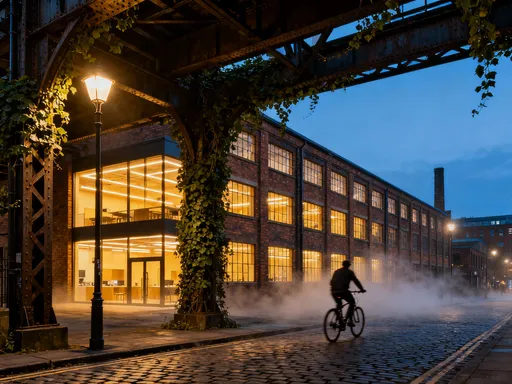
Photography in Bilbao offers more than the chance to take beautiful pictures—it invites the creation of meaningful visual stories. The city’s journey from industrial decline to cultural renaissance is written in its architecture, streets, and people. A single image of the Guggenheim is impressive, but a series that contrasts its curves with the brick facades of old warehouses tells a deeper tale. A photo of a pintxo bar is enjoyable; a sequence showing the preparation, service, and enjoyment of food captures the spirit of Basque hospitality.
Thematic projects can help photographers organize their vision. “Bilbao in Motion,” for instance, could focus on movement—trams gliding along the river, cyclists on the promenade, or pedestrians crossing bridges. “Surfaces of the City” might explore textures: rusted metal, polished stone, painted walls, and reflective glass, revealing how materials shape the city’s identity. Another idea, “Before and After,” could juxtapose archival images with modern shots of the same locations, highlighting transformation over time.
Such projects encourage intentionality. Instead of capturing everything, photographers learn to select, refine, and sequence images to convey a message. Editing becomes as important as shooting. A cohesive collection might begin with wide cityscapes, move into architectural details, and conclude with intimate human moments, guiding the viewer through an emotional arc—from awe to curiosity to connection.
Bilbao’s story is one of resilience, reinvention, and cultural pride. By approaching photography as storytelling, travelers do more than document a destination—they participate in its narrative. Each image becomes a chapter, each frame a voice. And when shared, these visual stories not only preserve memories but also inspire others to look deeper, to see not just the surface of a place, but its soul.