Taste of the Island: How Slow Travel Lets Guam’s Flavors Shine
You know that feeling when a place just *gets* you? For me, it was Guam—not on a rushed resort stop, but while slow-traveling through its sunlit markets, quiet villages, and family-run eateries. I didn’t just eat here—I connected. Each meal told a story of Chamorro heritage, Pacific bounty, and warm hospitality. This is not about ticking boxes; it’s about savoring moments. And in Guam, the true taste of the island reveals itself only when you slow down. More than a tropical escape, Guam becomes alive through its flavors, rhythms, and shared tables. When you trade speed for presence, you don’t just visit—you belong, even if just for a few meals.
The Rhythm of Slow Travel in Guam
Slow travel is not simply about moving at a leisurely pace—it’s a mindset. It means staying longer in fewer places, engaging with local life, and allowing experiences to unfold naturally rather than following a rigid itinerary. In Guam, where many tourists arrive for quick beach vacations or military-related layovers, the idea of slowing down can feel countercultural. Yet, this rhythm unlocks the island’s soul. Resorts offer comfort, but they often sit apart from the daily heartbeat of Chamorro life. True connection happens beyond the hotel gates—in village plazas, backyard kitchens, and roadside snack stands where food is cooked with memory and meaning.
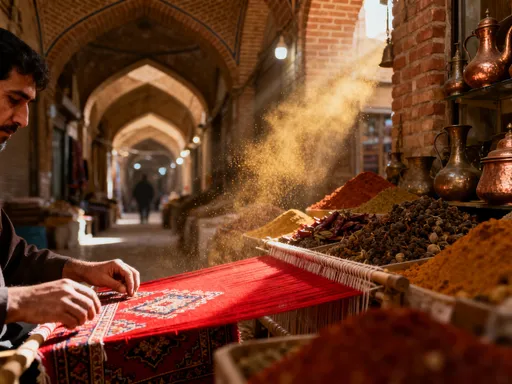
When you slow down, time stretches in beautiful ways. A morning might begin not with a buffet breakfast, but with a walk through a local market where women arrange fresh fish on banana leaves and elders sip sweet jasmine tea while trading stories. You notice the way breadfruit is peeled with practiced hands, or how laughter rises when someone shares a joke in Chamorro. These are not staged performances for tourists—they are lived moments. By removing the pressure to “see it all,” slow travelers create space for spontaneous invitations: a seat at a family lunch, a lesson in roasting coconut, or a chance to taste food cooked the way it has been for generations.
Guam’s geography supports this kind of journey. Though small—just 30 miles long and 8 miles wide—it holds surprising diversity. The north features limestone cliffs and quiet coves, while the south is greener, more rural, dotted with historic villages. Renting a car allows freedom to explore without rush. You can spend an entire afternoon in Inarajan, where ancient latte stones stand near the coast, and then pause for a late lunch at a family-operated barbecue stand. There’s no need to rush to the next attraction. Instead, you follow the scent of grilled meat, the call of a friendly vendor, or the curiosity of a local festival flyer taped to a telephone pole. These unplanned detours often lead to the most memorable meals.
A Culinary Crossroads: Understanding Guam’s Food Identity
Guam’s cuisine is a living archive of its history. As the largest and southernmost island of the Mariana chain, it has long been a crossroads of Pacific navigation and colonial influence. The foundation of its food remains deeply Chamorro—the indigenous people of the island—whose ancestors arrived over 3,500 years ago. Their diet centered on what the land and sea provided: taro, yams, breadfruit, coconuts, and an abundance of fish, shellfish, and reef creatures. Cooking methods were simple yet effective—roasting over open fires, wrapping food in banana leaves, and fermenting for preservation.
Over centuries, outside influences layered onto this foundation. Spanish colonization, which began in the 17th century, introduced new ingredients and techniques. Dishes began to feature tomatoes, onions, garlic, and vinegar. The concept of stewing meats with spices—like the rich, tomato-based *kadon pika*—emerged from this era. Later, Filipino laborers brought their own culinary traditions, contributing flavors like soy sauce, ginger, and the love of pork. American influence, especially after World War II, added convenience foods, canned meats, and diner-style breakfasts. Yet, rather than erasing tradition, these elements were absorbed and transformed into something uniquely Guamanian.
Today, Chamorro food is not static—it’s a dynamic expression of resilience and adaptation. It tells the story of a people who preserved their identity through colonization, war, and modernization. Meals are more than sustenance; they are acts of cultural continuity. When a grandmother prepares *kelaguen*—a dish of grilled meat or seafood tossed with lemon, onions, and grated coconut—she isn’t just feeding her family. She is passing down knowledge, honoring ancestors, and keeping language alive through the names of dishes and ingredients. To eat in Guam is to participate in this legacy, especially when you take the time to understand the roots behind each flavor.
From Market to Table: The Heartbeat of Local Eating
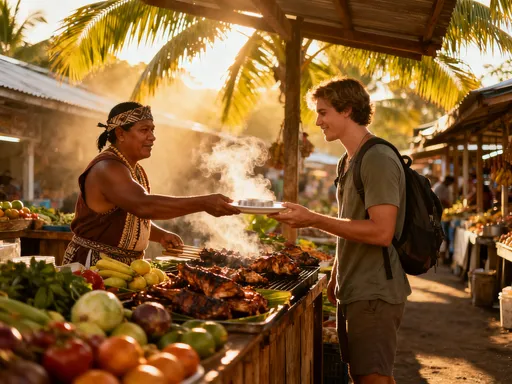
If you want to taste Guam as locals do, start where they shop. The island’s wet markets are not tourist attractions—they are essential hubs of daily life. Dededo Central Market, one of the largest, opens early and hums with activity by mid-morning. Vendors display fresh tuna, mahi-mahi, and octopus on ice, while others arrange bunches of taro, sweet potatoes, and green papayas. The air carries the salty tang of the sea, the earthiness of root vegetables, and the sweet scent of ripe mangoes and bananas. This is where families come to buy ingredients for fiestas, Sunday dinners, and everyday meals.
Another key destination is the Agana Hernan Saturday Market, held in the capital district of Hagåtña. Here, local farmers, fishermen, and home cooks set up stalls under shaded tents. You’ll find homemade *titiyas* (Chamorro flatbreads), jars of *achiote* paste, and plates of ready-to-eat *kådu* (vegetable stews). Unlike supermarkets, these markets thrive on interaction. Vendors often offer samples, share cooking tips, or explain how to prepare an unfamiliar ingredient. A simple question like “How do you cook this?” can lead to a five-minute lesson in traditional methods. These exchanges are part of the experience—food is not just bought, it’s taught.
Beyond formal markets, Guam’s culinary heartbeat pulses at roadside stands and neighborhood barbecue spots. Especially in the evenings, you’ll see small grills set up near busy intersections, where families sell *fina’dene’* (a tangy dipping sauce) with grilled meat skewers or *che’chela* (grilled meat on sticks). The smoke rises into the warm night air, drawing in locals finishing work or running errands. These are not fancy restaurants, but they offer some of the most authentic flavors on the island. The food is affordable, flavorful, and made with care. By choosing to eat here, travelers support small-scale producers and enter into the rhythm of local life.
Must-Try Dishes and Where to Savor Them
To truly taste Guam, certain dishes are essential. One of the most iconic is *kelaguen*, a dish that showcases the Chamorro love of bold, fresh flavors. Traditionally made with grilled chicken, beef, or seafood, it is finely chopped and mixed with lemon juice, onions, and grated coconut. The citrus “cooks” the meat slightly, giving it a bright, zesty character. It’s often served with *titiyas* or red rice. The best *kelaguen* is made fresh and shared at gatherings, so attending a community fiesta or family event is an ideal way to experience it at its peak.
Another cornerstone of Chamorro cuisine is *kadon pika*, a spicy stew usually made with pork or chicken. The name means “hot food,” and it lives up to its name with a blend of vinegar, soy sauce, onions, and hot peppers. Slow-cooked until tender, it’s a dish that warms both body and soul. It’s commonly served during special occasions, but you can also find it at family-run restaurants that cater to locals. Look for places where the menu is handwritten or posted on a chalkboard—these often signal authenticity.
For something lighter but equally satisfying, try *tinaktak*. This creamy dish combines tender chunks of meat—often beef or chicken—with coconut milk, green beans, and sometimes papaya. The coconut milk gives it a rich, smooth texture, while the vegetables add freshness. It’s a comforting meal, especially on humid days when heavy spices feel overwhelming. Like many Chamorro dishes, it’s best enjoyed with a scoop of red rice, tinted with annatto oil and cooked with onions and garlic.
Don’t miss *red rice* itself, which is more than a side dish—it’s a symbol of celebration. The deep red color comes from *achuete* (annatto) seeds, which are also used to flavor and color other dishes. At fiestas, red rice is served in large quantities, often alongside barbecue meats, *estufao* (a stewed dish with meat and bananas), and *kådu*. To experience these foods in their natural context, consider planning your trip around a village fiesta. Each of Guam’s 19 villages hosts an annual celebration in honor of its patron saint, complete with processions, music, games, and, most importantly, abundant food.
Dining with the Locals: Shared Meals, Lasting Memories
In Chamorro culture, food is never just about eating—it’s about relationship. The concept of *inafa'maolek*—a core value meaning interdependence, cooperation, and mutual respect—shapes how meals are shared. A table is rarely complete without extra chairs, because you never know who might join. Guests are treated with honor, and refusing food can be seen as a slight. Meals are large, often served family-style, and everyone eats together, regardless of age or status. This spirit of generosity is not performative; it’s woven into daily life.
One of the most profound experiences a slow traveler can have is being invited to a local meal. It might happen after striking up a conversation at a market, helping a vendor carry goods, or simply showing genuine interest in the culture. I remember sitting on plastic stools in a backyard in Yona, surrounded by two dozen relatives, as platters of *kadon pika*, *kelaguen*, and red rice were passed around. There was no menu, no rush, no expectation—just warmth, laughter, and plate after plate of food. Children ran between tables, elders shared stories, and music played softly from a portable speaker. I didn’t speak much Chamorro, but I didn’t need to. The meal was its own language.
These moments are not guaranteed, but they become possible when you slow down. Tourists who stay in resorts may never see this side of Guam. But those who linger, who return to the same market stall, who learn to say “Håfa adai” (hello) and “Si Yu’us ma’åse” (thank you), begin to be recognized. They are no longer strangers—they are familiar faces. And in a culture that values community above all, that recognition opens doors. It might lead to an invitation to help prepare food for a baptism, to join a fishing trip, or simply to share a plate of grilled fish at sunset. These are the memories that last long after the tan fades.
Practical Tips for a Flavor-Focused Slow Journey
Planning a slow, food-centered trip to Guam requires a shift in mindset and approach. First, rent a car. Public transportation is limited, and having your own vehicle allows you to explore villages, markets, and coastal spots at your own pace. Don’t try to cover the island in a day—instead, dedicate full days to single areas. Spend a morning in Merizo in the south, known for its fishing heritage, and stay for lunch at a family-run spot near the pier. In the north, explore Yigo and Dededo, where local life unfolds away from tourist paths.
Time your visit to coincide with cultural events. The annual Guam Micronesia Island Fair, held in April, celebrates the region’s diverse cultures with food, dance, and crafts. Village fiestas occur year-round, with each community hosting its celebration between January and September. These are not staged for tourists—they are real, joyful expressions of faith and community. Attending one offers a front-row seat to Chamorro hospitality and cuisine.
Learn a few basic Chamorro phrases. While English is widely spoken, using even simple words like “Håfa adai” or “Si Yu’us ma’åse” shows respect and often leads to warmer interactions. When photographing food or people, always ask first. Some vendors may welcome photos, while others prefer privacy. Observe how locals behave—when in doubt, follow their lead.
Eat when locals eat. Breakfast might be a *titiya* with *fina’dene’* at 7 a.m., while dinner often starts after 6 p.m. and stretches for hours. Embrace the pace. Visit the same market multiple times—it’s a way to build familiarity. Ask vendors for recommendations. They’ll often point you to hidden gems: a grandmother who makes the best *kådu*, or a weekend barbecue stand known only to neighbors. These are the places where authenticity thrives.
Why This Way of Travel Matters
Slow, food-centered travel is more than a personal enrichment—it’s a form of mindful tourism that benefits both visitors and hosts. When you eat at local markets, family-run eateries, and community events, your spending supports small businesses and preserves traditional ways of life. You help keep Chamorro recipes alive, not as museum pieces, but as living traditions passed from hand to hand. In a world where globalized tourism often flattens cultural uniqueness, this kind of travel resists homogenization.
It also fosters mutual understanding. By sharing meals, learning customs, and listening to stories, travelers move beyond stereotypes. Guam is not just a U.S. territory or a military outpost—it is a vibrant, resilient culture with a deep connection to land, sea, and community. When you slow down, you see this truth. You taste it in the coconut milk of *tinaktak*, smell it in the smoke of a village grill, hear it in the laughter around a shared table.
Ultimately, traveling this way changes you. It teaches patience, presence, and appreciation. It reminds you that the best journeys are not measured in miles, but in moments of connection. Guam, with its sunlit shores and generous people, invites you to put down your phone, step off the tourist trail, and pick up a plate of red rice instead. Let the flavors guide you. Let the pace slow you. And let the island, one meal at a time, welcome you home.