Wandering Through Time: How Kazan’s Hidden Corners Stole My Heart
Kazan, where East meets West in a dance of minarets and spires, isn’t a city you rush through. I didn’t come for checklists or photo ops—I came to feel something real. And what I found, drifting slowly through quiet courtyards, sipping tea beside the Volga, and watching sunlight kiss ancient stone, was more than beauty. It was presence. In a world that never slows down, Kazan taught me how to see again—one unhurried moment at a time. This is not a destination to conquer, but a place to inhabit, to breathe with, to listen to. Here, time doesn’t tick; it flows like the river, patient and deep, inviting you to step off the treadmill of modern life and into a quieter, more thoughtful way of being.
The Rhythm of Slow Travel in a Crossroads City
Travel has evolved into a checklist-driven pursuit—land, snap, post, move on. But in cities like Kazan, where centuries unfold in stone, wood, and whispered tradition, this pace misses the soul of the place. Slow travel is not merely about staying longer; it is about engaging more deeply, with intention and awareness. It means allowing yourself to wander without a map, to linger over a cup of green tea in a shaded courtyard, to listen to the rhythm of daily life rather than override it with your itinerary. Kazan, as a cultural crossroads where Tatar and Russian identities have intertwined for generations, offers a rare opportunity to witness harmony in diversity—not as a political statement, but as a lived reality.
In Kazan, the past is not preserved behind glass; it breathes in the call to prayer from the Qolşärif Mosque, echoes in the chime of Orthodox church bells, and lingers in the scent of freshly baked çäk-çäk from a street vendor’s cart. When you slow down, you begin to notice these layers—not as tourist attractions, but as threads in a living fabric. A grandmother adjusts her headscarf while walking her grandson to school past a 16th-century mosque. A craftsman carves floral patterns into linden wood, his hands moving with the certainty of generations. These are not performances for visitors; they are the quiet pulse of a city that refuses to be reduced to a postcard.
Slow travel in Kazan means resisting the urge to see everything. Instead, it invites you to see one thing well. It’s the difference between photographing the Kremlin from a distance and sitting on a bench at dawn, watching the first light gild its domes. It’s the choice to pass through the Old Tatar Settlement without rushing to the next landmark, allowing the crooked wooden houses and flowering lilacs to speak in their own time. This kind of travel doesn’t just enrich the experience—it transforms the traveler. You come not to collect sights, but to cultivate presence, to relearn the art of noticing.
Morning Light on the Kazan Kremlin: More Than Just a View
The Kazan Kremlin, a UNESCO World Heritage Site, is often crowded by midday with tour groups and selfie sticks. But arrive at sunrise, when the city is still wrapped in a soft hush, and the experience shifts entirely. The massive white walls, glowing in the low amber light, seem less like a fortress and more like a sanctuary. The golden cupolas of the Annunciation Cathedral catch the first rays, shimmering like embers rekindled. Nearby, the soaring pencil-shaped Söyembikä Tower casts a long shadow across the cobblestones, its lean a quiet mystery that has puzzled architects for centuries.
This is not just a visual spectacle; it is a moment of stillness that invites reflection. With few others around, you can walk the perimeter slowly, tracing the contours of history with your eyes. The blend of architectural styles—Orthodox Christian, Islamic, and Tatar—tells a story of coexistence. The Qolşärif Mosque, rebuilt in 2005 after the original was destroyed centuries ago, stands as a symbol of resilience and renewal. Its pale blue domes and twin minarets rise with quiet dignity, a reminder that faith and memory are not easily erased.
Photographs can capture the symmetry, the colors, the grandeur—but they cannot hold the silence of early morning, the cool air brushing your face, the distant murmur of a river waking up. This is the gift of timing: it turns sightseeing into contemplation. By choosing to witness the Kremlin in stillness, you engage not just your eyes, but your heart. You begin to understand that monuments are not merely structures; they are vessels of collective memory, and they speak loudest when we are quiet enough to listen.
Walking the Old Tatar Settlement: Where Every Alley Tells a Story
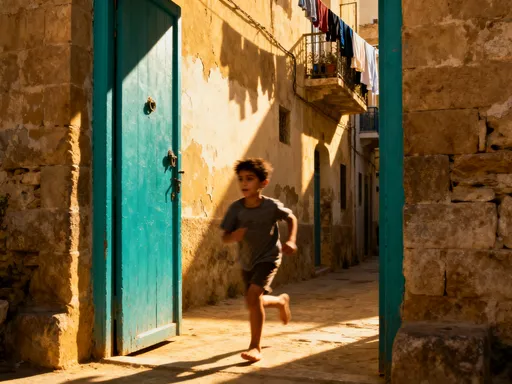
Just beyond the bustling Bauman Street lies the Old Tatar Settlement, a neighborhood where time moves differently. Here, wooden houses with carved window frames and steeply pitched roofs line narrow, winding lanes. Many date back to the 18th and 19th centuries, their facades softened by weather and time. Bright flower boxes spill geraniums and marigolds, and the scent of baking bread drifts from open windows. This is not a museum exhibit; it is a living, breathing community where generations have raised families, celebrated weddings, and mourned losses within these same walls.
Walking here feels like stepping into a private world, one that unfolds only to those who move slowly and respectfully. Children laugh as they chase each other between courtyards. Elderly neighbors sit on painted benches, sipping tea and speaking in a mix of Tatar and Russian. The language itself, with its Turkic roots and melodic intonations, adds to the sense of cultural richness. You might pass a woman hanging laundry, her hands stained with henna, or a man tending a small vegetable garden behind a picket fence. These are not staged scenes; they are the ordinary moments that make up an extraordinary heritage.
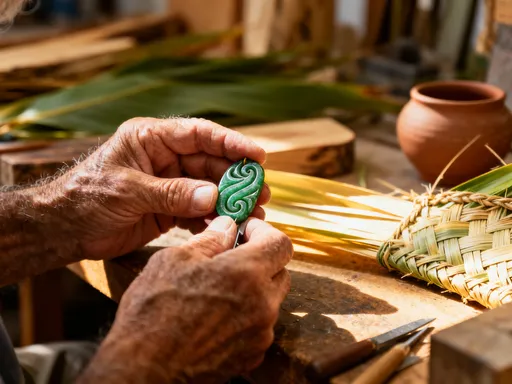
The craftsmanship in the area is remarkable. Intricate wood carvings adorn eaves and doorways—floral motifs, geometric patterns, and sometimes symbolic animals. These designs are not merely decorative; they carry meanings passed down through families. Some represent protection, others fertility or prosperity. Local artisans still practice these traditions, offering handmade souvenirs that carry the soul of the culture. Buying a small carved box or a hand-embroidered table runner isn’t just a transaction; it’s a way of honoring the continuity of craft and community.
What makes the Old Tatar Settlement so powerful is its authenticity. There are no ticket booths, no guided tours shouting through megaphones. The beauty here is not performative; it is inherent. To walk these streets is to witness a way of life that values connection, tradition, and quiet dignity. It reminds us that the most meaningful travel experiences are not found in grand plazas, but in the humble corners where people live, love, and remember.
Riverside Reverie: Experiencing the Volga at a Human Pace
The Volga River, Europe’s longest waterway, curves around Kazan like a silver ribbon, shaping the city’s identity and soul. To stand on its banks is to feel the pull of something vast and ancient. Unlike the frantic energy of city centers, the river offers space—both physical and emotional. It invites you to slow down, to breathe, to simply be. Whether you walk the embankment at dusk, take a quiet boat ride at sunset, or sit on a weathered bench with a book, the Volga has a way of calming the mind and opening the heart.
Water has long been associated with healing and reflection, and modern psychology supports this intuition. Studies suggest that being near large bodies of water can reduce stress, improve mood, and enhance mental clarity. The rhythmic lapping of waves, the gentle movement of the current, and the expansive horizon all contribute to a sense of peace. On the Kazan side of the Volga, the view includes the city skyline—modern towers blending with historic spires—but from the river, the noise fades, and perspective shifts. You are no longer a tourist rushing from site to site; you are a witness to something timeless.
One of the most memorable ways to experience the Volga is on a small public ferry or a quiet evening cruise. As the boat glides forward, the city lights begin to flicker on, reflecting in the darkening water like scattered stars. The breeze carries the faint scent of damp earth and blooming reeds. Couples sit close, wrapped in scarves. An old man casts a fishing line with practiced ease. These moments are not curated for visitors; they are part of the river’s daily rhythm. To share in them, even briefly, is to feel a quiet kinship with the place and its people.
The Volga also reminds us of our smallness in the grand scheme of things. Its waters have flowed for millennia, carrying traders, pilgrims, poets, and dreamers. Standing beside it, you are just one moment in a long, unfolding story. This realization can be humbling, but also freeing. It loosens the grip of daily worries and reconnects you to a larger sense of belonging. In a world that often demands constant achievement, the river teaches the value of simply existing.
Hidden Courtyards and Quiet Cafés: Finding Stillness in the City
Amid Kazan’s historic streets and grand landmarks, there are quieter sanctuaries—places designed not for spectacle, but for pause. These are the hidden courtyards, the tucked-away parks, the unassuming teahouses where locals gather for conversation and comfort. They are easy to miss if you’re following a map or a tour guide’s pace, but they are essential to understanding the city’s true rhythm.
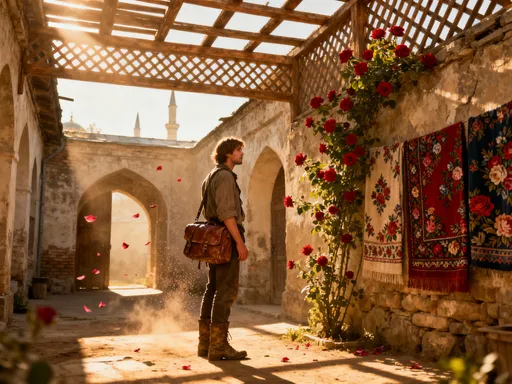
One such spot is a small garden tucked behind a 19th-century merchant’s house near the Tatar Academic Theatre. A wrought-iron gate opens to a cobblestone courtyard shaded by linden trees. Benches surround a dry fountain, and in summer, jasmine climbs the brick walls, filling the air with sweetness. There are no signs, no admission fees—just an invitation to sit and rest. Locals come here with books, with knitting, with nothing at all. It is a place of stillness in the middle of motion, a reminder that rest is not laziness, but a necessary part of living well.
Teahouses in Kazan offer a similar kind of refuge. Unlike busy cafes designed for quick service, these are spaces for lingering. You might find one on a side street in the Old Town, its windows fogged from the warmth within. Inside, low wooden tables are set with small teapots, glasses in ornate metal holders, and plates of honey-soaked pastries. The tea is strong and fragrant—often green or black, served with lemon or mint. Conversation is soft, unhurried. Time stretches here, measured not by the clock, but by the refill of a glass.
These micro-moments of stillness are not luxuries; they are vital to meaningful travel. When we allow ourselves to stop, we create space for observation, for reflection, for connection. We begin to notice details we would otherwise miss—the way light falls through a stained-glass window, the laughter of children playing in a fountain, the sound of a distant balalaika. These are the moments that stay with us long after the trip ends. They are not found in guidebooks, but in the practice of presence. In Kazan, such places are not rare; they are woven into the city’s fabric, waiting for those who know how to look.
Seasons of Scenery: How Kazan Changes with the Light and Weather
Kazan is a city of seasons, each painting the landscape in a different palette. Winter drapes the city in snow, turning the Kremlin’s domes into frosted confections and muffling the streets in silence. The Volga freezes at the edges, and steam rises from manholes like whispers from the earth. In this season, the city feels hushed, introspective. Locals bundle up in fur hats and wool coats, moving with purpose, stopping for hot tea in warm cafés. The cold sharpens the senses, making every color, every sound, more vivid.
Spring arrives tentatively, then bursts forth in a rush of green. Trees unfurl their leaves, flowers push through thawing soil, and the air carries the scent of wet earth and budding linden. The embankment comes alive with strollers, cyclists, and families flying kites. This is a season of renewal, both in nature and in spirit. The city seems to stretch after a long sleep, shaking off winter’s weight.
Summer in Kazan is golden and generous. The days are long, the sun lingering well into the evening. Parks fill with picnickers, and outdoor concerts echo through the squares. The Volga sparkles under the high sun, and boats dot the water like toys. This is the season of activity, of festivals, of open-air markets brimming with fresh produce and handmade goods. Yet even in the busyness, there are quiet corners—shaded benches, garden nooks—where you can escape the heat and find peace.
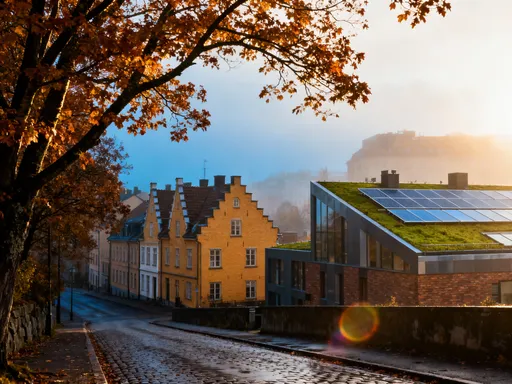
Autumn is perhaps the most poetic. The linden and birch trees turn to fire—amber, rust, gold—and their leaves drift slowly to the ground. The light is softer, more forgiving, casting long shadows and warm glows on stone walls. The air is crisp, invigorating. This is a time for reflection, for walking without destination, for sipping tea while watching the world change color. Each season in Kazan offers a different kind of beauty, a different mood, a different way of seeing. There is no single best time to visit—only the right time for you, depending on what you seek.
From Observation to Reflection: Why Scenic Moments Matter
Travel is often sold as a collection of experiences: see this, do that, eat here. But the most lasting impact comes not from accumulation, but from attention. In Kazan, I learned that true travel is not about how many places you visit, but how deeply you see the ones you’re in. A single moment—watching light move across a mosque dome, listening to a child’s laugh in a hidden courtyard, feeling the breeze off the Volga—can hold more meaning than a dozen checkmarks on an itinerary.
These scenic moments are not just beautiful; they are restorative. They pull us out of our routines, our worries, our digital distractions, and reconnect us to the physical world. They remind us that we are part of something larger, that beauty exists beyond utility, and that stillness is not empty, but full of presence. Psychologists have long recognized the benefits of mindfulness and nature exposure—reduced anxiety, improved focus, greater emotional resilience. In Kazan, these benefits come not through formal practice, but through the simple act of paying attention.
Moreover, seeing a place deeply fosters cultural empathy. When you slow down, you stop viewing people as background characters in your journey and begin to recognize them as individuals with stories, traditions, and dignity. You see not just the architecture, but the lives lived within it. You hear not just the language, but the warmth in the tone. This kind of travel doesn’t just change how you see the world—it changes how you move through it.
So let Kazan be more than a destination. Let it be an invitation—to slow down, to look closely, to listen. Let its quiet courtyards, its golden light, its flowing river remind you that the world is full of wonder, if only we take the time to see it. Travel with intention. Travel with presence. And in doing so, you may find not just the soul of a city, but a deeper connection to your own.