What Everyone Gets Wrong About Gothenburg’s Architecture (And Why You Should Care)
You know that feeling when you travel somewhere expecting one thing, but reality hits totally different? That’s exactly what happened when I arrived in Gothenburg. I’d seen pretty photos online—colorous streets, old ships, trendy cafés—but no one warned me about the architectural quirks most visitors completely miss. Some spots look amazing from afar but fall flat up close, while hidden gems fly under the radar. Let me help you skip the hype and truly appreciate what makes Gothenburg’s buildings so special. More than just a visual delight, the city’s architecture tells a layered story of trade, resilience, and quiet innovation—stories often overlooked by those chasing the perfect photo.
First Impressions vs. Reality: The Postcard Trap in Gothenburg
When most travelers picture Gothenburg, they imagine the pastel-painted wooden houses of Haga, their gabled roofs lining cobblestone streets like something out of a Nordic fairy tale. These images dominate travel brochures and Instagram feeds, shaping expectations before a single suitcase is packed. The reality, however, is more nuanced. While Haga remains one of the city’s most photographed districts, many of its buildings are not centuries-old relics but careful reconstructions, rebuilt after fires or urban renewal projects in the 20th century. The charm is real, but so is the curation. Walking through Haga on a summer afternoon, it’s easy to feel surrounded by authenticity—until you notice the uniformity in window placements, the identical flower boxes, and the boutiques selling the same Scandinavian design goods from one block to the next.
This polished presentation, while visually pleasing, can mask the deeper architectural history that defines Gothenburg. Some original 19th-century structures still stand, identifiable by uneven floor levels, irregular rooflines, and hand-carved details around doorframes—subtle clues that distinguish them from their more uniform neighbors. Travelers who take the time to look beyond the façade often discover that the most interesting buildings aren’t always the prettiest. A slightly leaning façade, mismatched bricks, or a weathered sign can signal a building that has weathered decades of change, bearing silent witness to the city’s evolution.
To avoid falling into the postcard trap, consider starting your exploration with a critical eye. Ask yourself: Does this building look preserved, restored, or recreated? Is the neighborhood bustling with locals, or does it feel designed primarily for visitors? These small questions can shift your experience from passive sightseeing to active discovery. And while Haga has its place in Gothenburg’s story, understanding its carefully managed image allows you to look beyond it—toward areas where history hasn’t been sanitized for aesthetic appeal.
The Hidden Language of Gothenburg’s Building Styles
Gothenburg’s architecture speaks a quiet but rich language, shaped by its identity as a port city and a crossroads of Northern European trade. Unlike Stockholm’s grand palaces or Malmö’s modernist skyline, Gothenburg’s buildings reflect a more practical elegance—one born from commerce, craftsmanship, and adaptation. The city’s early layout, designed in the 17th century by Dutch engineers, introduced canals and a grid pattern reminiscent of Amsterdam, a legacy still visible in neighborhoods like Ostindiska Kvarteren. Here, you’ll find stepped gables and narrow facades that echo Dutch Renaissance design, a nod to the city’s founding vision and its early ties to maritime trade.
As the city grew during the 19th century, a new architectural identity emerged. The bourgeoisie class, enriched by shipping and industry, built homes with ornate stucco work, bay windows, and wrought-iron balconies—styles influenced by French and German trends but adapted to local materials and climate. These buildings, often five to six stories high, line major avenues like Kungsportsavenyn and Vasagatan, their sandstone and brick exteriors weathered to soft ochres and greys. What makes them particularly compelling is not just their appearance, but their resilience. Many survived wartime shortages, economic shifts, and urban development pressures that erased similar structures in other European cities.
By the 20th century, Nordic functionalism took hold, emphasizing simplicity, light, and utility. This movement responded to the need for affordable, efficient housing and left a lasting mark on districts like Johanneberg and Annelund. Functionalism wasn’t just an aesthetic choice—it reflected a social philosophy, one that valued equality and access to quality living spaces. Today, these buildings remain in use, their clean lines and large windows still serving families and communities. For the observant traveler, understanding these shifts—from Dutch influence to bourgeois ornamentation to functionalist minimalism—transforms a simple walk into a journey through time, revealing how Gothenburg’s architecture mirrors its values across generations.
Why Tourists Overlook the Real Architectural Treasures
Most visitors to Gothenburg follow a predictable path: Haga in the morning, Linné for lunch, a canal cruise in the afternoon, and perhaps a stop at the art museum before heading back to their hotels. While these destinations offer charm and convenience, they represent only a fraction of the city’s architectural depth. The real treasures—older industrial buildings converted into cultural spaces, working-class housing with handcrafted details, or quiet streets lined with early 20th-century villas—are often tucked away in neighborhoods like Angered, Torslanda, or even parts of Majorna that lie just beyond the usual walking routes.
One reason these areas remain overlooked is accessibility. Public transit in Gothenburg is reliable, but tourist maps and walking tour brochures rarely highlight routes beyond the city center. Without clear signage or guided options, many travelers stick to what’s familiar. Additionally, guided tours—especially those aimed at international visitors—tend to prioritize photogenic spots over historically significant ones. A guide might spend ten minutes explaining the history of a reconstructed café in Haga while skipping an intact 1920s apartment block in Västra Frölunda that showcases early urban planning innovations.
Another barrier is perception. Areas with less tourist infrastructure may appear less inviting at first glance—older paint, modest shop fronts, or quieter streets can be misinterpreted as uninteresting. Yet these are often the places where Gothenburg’s architectural soul resides. To experience them, consider stepping off the main routes. Take bus line 11 toward Kärra, or ride the tram to Södra Ängby, where you’ll find well-preserved examples of the “garden city” movement, with low-rise homes nestled among green spaces and winding lanes. These neighborhoods weren’t built for tourists—they were built for life, and that authenticity is precisely what makes them worth seeing.
Modern Design Meets Heritage: Where Gothenburg Shines Today
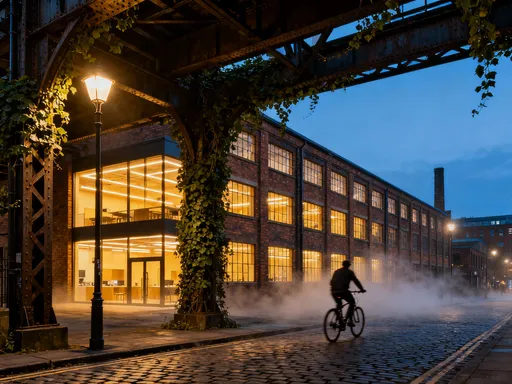
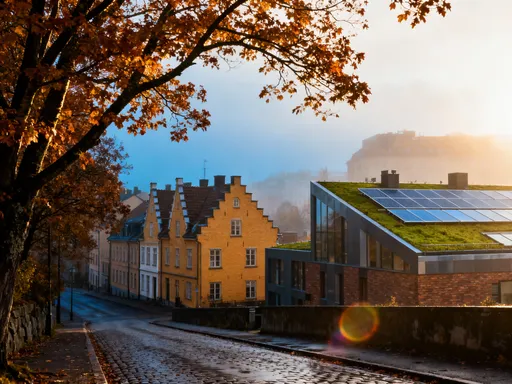
One of Gothenburg’s quiet strengths is its ability to integrate modern architecture without erasing its past. Nowhere is this more evident than in Lindholmen, a former industrial peninsula transformed into a hub for technology, education, and sustainable urban living. The area retains traces of its shipbuilding history—old cranes, brick warehouses, and wide open spaces—while welcoming new structures designed with environmental responsibility in mind. Glass-fronted research centers stand beside repurposed factory buildings, their designs echoing industrial forms while incorporating solar panels, green roofs, and energy-efficient systems.
What sets Lindholmen apart is its sensitivity to scale and context. New buildings rarely exceed five or six stories, maintaining the human-scaled rhythm of the surrounding neighborhoods. Materials are chosen to complement rather than contrast—weathering steel, light wood, and translucent polycarbonate panels blend with the existing brick and stone. This thoughtful integration ensures that innovation doesn’t come at the cost of cohesion. Visitors walking through the area feel a sense of continuity, as if the city is evolving rather than replacing itself.
Elsewhere, eco-districts like Hammarby Sjöstad (developed in collaboration with Stockholm but influencing local projects) have inspired Gothenburg’s approach to sustainable housing. New developments in areas like Slottsstaden and Torslanda emphasize mixed-use spaces, pedestrian-friendly layouts, and renewable energy systems. While not all projects succeed equally—some critics argue that certain glass towers in the city center disrupt sightlines and overshadow historic streets—overall, Gothenburg demonstrates a commitment to balancing progress with preservation.
Public spaces play a key role in this balance. The renovation of Götaplatsen, for example, merged historical monuments with modern landscaping and lighting, creating a gathering place that honors the past while serving contemporary needs. Here, families picnic beneath the shadow of the Poseidon statue, students study near the Concert Hall’s curved façade, and tourists pause to take in the blend of old and new. These spaces remind us that architecture isn’t just about buildings—it’s about how people live within them.
Mistakes Even Seasoned Travelers Make When Exploring the City
Even experienced travelers can fall into predictable patterns when exploring Gothenburg. One of the most common missteps is visiting only during peak hours—midday on a sunny Saturday, when Haga is packed with shoppers and café lines stretch around the corner. While these moments offer energy and atmosphere, they also obscure the quieter rhythms of the city. Early mornings or weekday evenings reveal a different Gothenburg: shopkeepers arranging displays, neighbors chatting on benches, and sunlight catching brickwork in ways that midday glare often hides. These quieter moments allow for a more intimate connection with the built environment.
Another frequent error is equating visual charm with historical significance. A brightly painted house may catch the eye, but that doesn’t mean it has a deeper story. Some of the most colorful buildings in tourist areas were painted recently to enhance appeal, while more subdued structures nearby may date back to the 1800s. Without context, it’s easy to misjudge what’s truly valuable. Similarly, relying solely on digital maps can lead travelers to overlook subtle transitions between neighborhoods—the point where 19th-century homes give way to early functionalist blocks, or where industrial remnants blend into modern infill.
Construction is another factor that can disrupt the experience. Gothenburg is a city in motion, with ongoing infrastructure projects, tram line upgrades, and building renovations. While these improvements benefit residents, they can temporarily obscure landmarks or block access to favorite photo spots. Checking local city planning updates or using real-time transit apps can help avoid frustration. More importantly, consider these disruptions not as obstacles but as part of the city’s ongoing story—evidence that Gothenburg is not a museum frozen in time, but a living, adapting place.
To deepen your understanding, consider using architecture-focused resources. The Göteborgs Stadsmuseum offers exhibits on urban development, and the City Library houses detailed maps and historical photographs. Self-guided walking tour apps, such as those provided by the Gothenburg Architecture Festival, allow you to explore at your own pace while learning about specific buildings and styles. These tools don’t just enhance sightseeing—they transform it into a form of engagement.
How to Experience Gothenburg’s Architecture Like a Local
Locals don’t just see architecture—they live in it, move through it, and shape it over time. To experience Gothenburg the way its residents do, start by slowing down. Walk or rent a bicycle, following routes that meander rather than rush. The city’s flat terrain and extensive bike lanes make this easy, and the slower pace allows you to notice details often missed: a carved lintel, a patterned tile floor in a doorway, or the way light filters through a narrow alley at sunset.
Engage with the community. Strike up a conversation at a neighborhood café or market stall. Many Gothenburg residents take quiet pride in their city’s understated beauty and are happy to share stories about their street or building. You might learn that the red-brick apartment on the corner was once a textile warehouse, or that the modern library addition was designed by a local architect who grew up nearby. These personal connections add layers of meaning to what might otherwise seem like just another structure.
Seek out elevated viewpoints. While the city isn’t known for skyscrapers, several bridges—like the Älvsborg Bridge or the pedestrian path along the Göta River—offer panoramic perspectives. So do quiet parks like Slottsskogen or Ramberget, where benches face the skyline and invite contemplation. From these vantage points, you can see how different architectural eras coexist: 19th-century spires next to functionalist blocks, modern glass buildings reflecting the clouds alongside centuries-old fortifications.
Finally, pay attention to public art integrated into the urban fabric. Sculptures, murals, and even functional elements like benches and lighting fixtures often reflect architectural themes. In areas like Lindholmen or Johanneberg, art installations respond to the industrial past or environmental future, creating a dialogue between form, function, and meaning. These details don’t shout for attention—they invite you to look closer, to stay longer, and to see the city not just as a collection of buildings, but as a living story.
Redefining Your Travel Priorities: Beyond the Instagram Shot
Travel has a way of simplifying places—reducing cities to a few iconic images, moments, or experiences. In Gothenburg, that often means focusing on the colorful houses of Haga, the sleek lines of modern trams, or the reflections in the canals. But true appreciation goes beyond the surface. When we take the time to understand why a building looks the way it does—the materials shaped by trade routes, the heights limited by fire codes, the layouts influenced by social ideals—we form a deeper connection to the place and its people.
This mindful approach to travel doesn’t require expertise. It starts with curiosity. It means pausing to read a plaque, asking a question, or simply standing still to observe how light and shadow move across a façade. It means recognizing that beauty isn’t only in symmetry or color, but in resilience, adaptation, and everyday function. A weathered doorframe, a repurposed warehouse, a thoughtfully designed public courtyard—these too are worthy of attention.
Gothenburg rewards this kind of attention. It’s a city that doesn’t demand to be admired, but quietly invites you to understand it. Its architecture isn’t about grand statements or dramatic contrasts. It’s about continuity, care, and quiet innovation. By shifting our focus from what’s photogenic to what’s meaningful, we don’t just see the city more clearly—we see ourselves more clearly, too. We remember that places are built by people, for people, and that every brick, beam, and window tells a story worth listening to.
So the next time you travel, ask not just where you are going—but how it was made, and why it matters. In Gothenburg, the answers are waiting in plain sight, if you know how to look.