This Is Why Everyone’s Obsessed with Zakynthos’ Food Scene Right Now
You know that feeling when you taste something so good it instantly becomes a memory? That’s Zakynthos for you. Beyond the postcard-perfect beaches and turquoise waters, the real magic happens on your plate. I went searching for Instagrammable moments, but stayed for the food—the bold flavors, fresh seafood, and olive oil-drenched dishes that scream authenticity. This isn’t just dining; it’s a sensory passport to Greek island life. Every bite tells a story of sun-drenched fields, salt-kissed fishing boats, and kitchens where recipes are passed down like heirlooms. In a world where travel often feels curated and commercial, Zakynthos offers something rare: unfiltered, heartfelt nourishment that lingers long after you’ve left the table.
Arrival in Zakynthos: First Impressions That Lead to the Table
The moment you step off the plane or ferry, Zakynthos wraps you in its rhythm—a warm breeze scented with wild herbs, the murmur of Greek conversation, and the distant clang of fishing nets being hauled ashore. Unlike more polished Mediterranean destinations, this island doesn’t try to impress. It simply is: unvarnished, unhurried, and deeply rooted in daily life. Many tourists head straight for the famous Shipwreck Beach, but those who pause to follow their noses soon find themselves at a shaded taverna, where a grandmotherly figure in an apron serves tzatziki so creamy it feels like a hug on a plate.
These early meals are more than sustenance—they’re an introduction to the island’s soul. Lunch might be a simple plate of grilled halloumi, sun-ripened tomatoes still warm from the vine, and crusty bread dipped in golden-green olive oil pressed from local groves. There’s no pretense, no fusion gimmicks—just food made with pride and patience. The waiter might offer unsolicited advice: “Come back tomorrow for the octopus. The boat just came in.” That kind of connection, where food and community are inseparable, sets Zakynthos apart from typical resort islands.
What makes these first meals so memorable is their authenticity. There’s no need for elaborate presentation when the ingredients speak for themselves. A single anchovy, marinated in lemon and oregano, can outshine any gourmet dish. The island’s culinary rhythm begins the moment you arrive, subtly shifting your expectations of what a vacation meal should be. It’s not about luxury—it’s about belonging, even if just for a day.
The Heart of Zakynthos Dining: Where Tradition Meets the Daily Catch
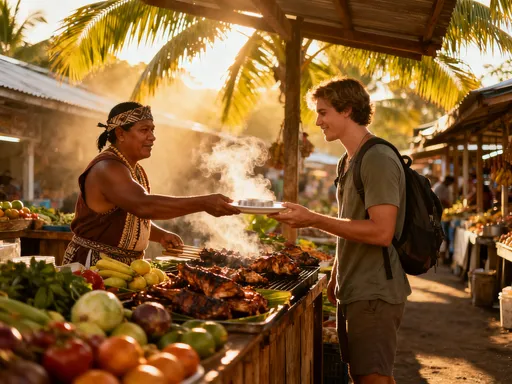
On Zakynthos, seafood isn’t just a menu option—it’s the pulse of daily life. In coastal villages like Tsilivi, Agios Nikolaos, and Keri, the morning ritual begins at the harbor. As the sun rises, fishing boats return with their catch: glistening sardines, firm-skinned sea bass, and occasionally, the prized swordfish known locally as *xifias*. There’s no cold storage or long supply chains—what’s unloaded at dawn is grilled by noon. This immediacy is what gives Zakynthos’ seafood its electric freshness, a quality even the most skilled chef can’t replicate elsewhere.
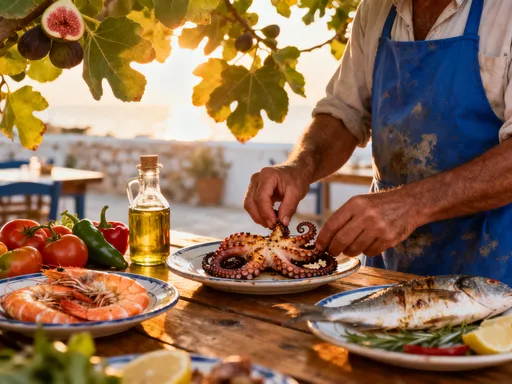
The island’s fishermen often double as cooks, running small family-run tavernas where the menu changes daily based on what’s in the net. In these kitchens, tradition reigns. Octopus is tenderized by hand, then slow-grilled over charcoal until the edges crisp like parchment. Sardines are brushed with olive oil and lemon, then cooked in wood-fired ovens that have been used for generations. The result is food that tastes alive—oceanic, smoky, and deeply satisfying.
But it’s not just the fish that defines the plate. Zakynthos’ terroir plays a crucial role. Wild capers grow in rocky crevices along the cliffs, their tangy buds harvested by hand and preserved in salt. Tomatoes ripen under relentless sun, their flesh thick and sweet. When these ingredients come together—say, in a salad of tomato, caper, and anchovy, drizzled with local olive oil—the result is purity on a plate. No seasoning needed. No garnish required. Just nature, respected and revered.
Hidden Eateries Off the Beaten Path: Beyond the Tourist Trail
While the seaside promenades buzz with tourists and cocktail bars, the island’s culinary treasures are often tucked away in quiet villages accessible only by winding country roads. Places like Anafonitria, Volimes, and Kampi don’t appear on every guidebook map, but they’re where locals go to eat. These spots have no websites, no Instagram tags, and often no printed menus. Instead, the cook—usually a woman in her 60s or 70s—will tell you what’s available in Greek, her hands still dusted with flour from kneading dough.
One such dish is pastitsada, a rich beef stew simmered for hours with tomatoes, red wine, and warm spices like cinnamon and cloves. It’s a dish with Venetian roots, reflecting Zakynthos’ complex history, yet it’s been fully embraced as local tradition. Served over thick homemade pasta, it’s the kind of meal that warms you from the inside out, perfect after a day of exploring olive groves or hiking coastal trails. Another standout is dakos, a Cretan-inspired barley rusk salad topped with tomato, mizithra cheese, and a generous pour of olive oil. It’s humble, hydrating, and deeply nourishing—ideal for hot summer afternoons.
What makes these hidden spots special isn’t just the food, but the atmosphere. Tables are often set under grapevines or fig trees, with chickens pecking nearby and dogs lounging in the shade. There’s no rush, no pressure to turn over tables. Meals unfold slowly, punctuated by laughter, shared bread, and spontaneous toasts. These are not restaurants in the commercial sense—they’re extensions of family kitchens, open to visitors by invitation rather than advertisement. And that’s what makes them unforgettable.
Signature Dishes You Can’t Skip—And Where to Find Them
Every Greek island has its culinary signature, and Zakynthos is no exception. Among the must-try dishes, two stand out for their depth of flavor and cultural significance: ladera and bogana. Ladera, which translates to “oily” or “with oil,” refers to a category of vegetable dishes slow-cooked in olive oil, lemon, and herbs. A typical plate might include green beans, zucchini, or eggplant, stewed until meltingly tender. It’s a vegan dish that doesn’t feel like a compromise—rich, aromatic, and deeply satisfying. The olive oil isn’t an afterthought; it’s the foundation, binding the flavors and carrying the essence of the island’s groves.
Then there’s bogana, a celebratory dish often reserved for festivals and family gatherings. It consists of lamb marinated in red wine and herbs, then wrapped in vine leaves and slow-baked for hours in a wood-fired oven. The result is meat so tender it falls apart at the touch, infused with the earthy aroma of the leaves and the subtle sweetness of the wine. The best bogana is found in hillside villages during summer panigiria (festivals), where entire communities gather to eat, dance, and honor local saints. It’s not just a meal—it’s a ritual, a living expression of Zakynthos’ communal spirit.
And no visit is complete without trying fasolada, Greece’s national bean soup. Made with white beans, carrots, celery, and tomatoes, it’s a humble dish with profound comfort. Often served with a wedge of lemon and thick-cut bread, it’s the kind of food that feels like home, no matter where you’re from. In Zakynthos, fasolada is often made with extra virgin olive oil so fresh it tastes green, adding a peppery finish that lingers on the palate. These dishes aren’t just delicious—they’re edible history, preserving flavors that have sustained islanders for centuries.
The Rise of Instagrammable Dining: How Social Media Shapes Food Choices
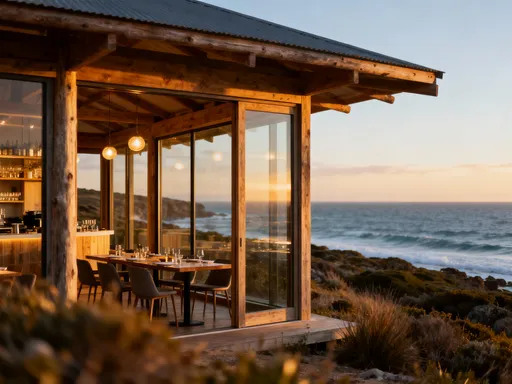
There’s no denying that social media has changed the way people experience food. On Zakynthos, certain restaurants have become destinations not just for their cuisine, but for their aesthetics. Think whitewashed walls draped in bougainvillea, turquoise chairs beside the sea, and salads perfectly styled for the flat lay. Places like these draw crowds of influencers and travelers seeking that perfect shot—golden hour light, a sprig of oregano artfully placed, a bottle of local wine catching the sun.
While some worry that this trend prioritizes appearance over authenticity, the reality is more nuanced. Yes, some spots have adapted their menus and decor to appeal to cameras, but many have used the attention to preserve tradition. Increased tourism means more demand for local ingredients, which in turn supports small farmers, fishermen, and cheesemakers. A family that once struggled to sell their olive oil can now thrive because a food blogger highlighted their grove. In this way, visibility can be a force for sustainability.
The key for travelers is discernment. A beautifully plated Greek salad means little if the feta is imported or the tomatoes are out of season. The most memorable meals on Zakynthos still come from places that don’t care about hashtags. They’re the ones where the chef greets you by name, where the wine is poured from a carafe, and where the dessert—a simple bowl of fresh figs—is served without ceremony. Social media can guide you to the island, but it can’t replace the wisdom of slowing down and tasting with intention.
Practical Tips for Maximizing Your Food Experience
To truly savor Zakynthos’ food culture, timing and preparation matter. Arrive at tavernas around 7:30 PM to avoid the dinner rush and catch the golden evening light. Many family-run spots don’t open until then, and eating late is part of the local rhythm. If you’re used to early dinners, embrace the shift—it’s part of the immersion.
Cash is still preferred in rural areas. While larger restaurants accept cards, smaller tavernas and village bakeries often operate on a cash-only basis. Menus may not list prices, especially in informal settings. Don’t be shy—ask politely for the cost of a dish. A simple “Poso kani?” (How much does it cost?) goes a long way. And while English is widely spoken, learning a few Greek phrases shows respect. “Efharisto” (thank you), “Parakalo” (please), and “Yia sas” (cheers) will earn warm smiles and sometimes even an extra slice of dessert.
If you’re renting a car, consider a food-focused itinerary. Start your day in Argasi with a stop at a local bakery for *tiropita* (cheese pie) and *spanakopita* (spinach pie), flaky and warm from the oven. Head south to Lagana for a seafood lunch at a harbor-side taverna. End in Keri, where hilltop restaurants offer panoramic views and slow-cooked lamb. And always save room for dessert. Loukoumades—deep-fried dough balls drizzled with honey and sprinkled with cinnamon—are a must. Best enjoyed fresh and hot, they dissolve on the tongue like edible sunshine.
Finally, don’t underestimate the power of asking. If you see locals eating somewhere, join them. If a shopkeeper offers you a taste of homemade spoon sweet, say yes. These small moments often lead to the most authentic experiences. The best meals on Zakynthos aren’t found in guidebooks—they’re discovered through connection.
Why Zakynthos’ Food Tells the Real Story of the Island
Beyond the cliffs, the coves, and the catamaran tours, Zakynthos’ cuisine reveals its true character. This is an island shaped by the sea and the seasons, where people live in rhythm with nature. The food reflects resilience—centuries of harvesting what the land and water provide, of preserving summer’s bounty for leaner months, of turning simple ingredients into feasts.
Every meal is an act of generosity. Whether it’s an extra piece of bread offered with a smile, a glass of homemade wine pressed from backyard vines, or a grandmother insisting you try her stew, the culture of hospitality runs deep. Guests aren’t customers; they’re temporary family. And that mindset transforms eating from a routine into a ritual.
The dishes themselves are archives of history. Pastitsada carries the echo of Venetian rule. Bogana reflects ancient methods of slow cooking and preservation. Even the olive oil—so central to every meal—speaks of groves that have stood for generations, some trees older than the nation itself. To eat in Zakynthos is to participate in a living tradition, one that values patience, seasonality, and community over speed and spectacle.
In a world where food is often fast, processed, or performative, Zakynthos offers a return to what matters: real flavors, real people, and real connection. The island doesn’t need gimmicks or celebrity chefs to impress. Its power lies in simplicity, in the quiet confidence of a cook who knows that the best meal is the one made with care.
Zakynthos doesn’t just feed your body—it feeds your memory. The island’s truest landmarks aren’t just cliffs or caves, but the flavors passed down through generations. From a simple tomato salad to a festival roast, every bite connects you to the people and land. So next time you plan a trip, don’t just pack your swimsuit—come hungry. Because the best souvenirs aren’t things you carry home, but tastes you never forget.