What I Found in Cape Town’s Hidden Art Scene Will Blow Your Mind
You know that feeling when you think you’ve seen it all, and then a place completely rewrites your expectations? That’s Cape Town for me—not just mountains and beaches, but a city pulsing with raw, unfiltered creativity. I went looking for views, but stayed for the art. From alleyway murals to studio secrets most tourists miss, this is a cultural heartbeat few talk about—but everyone should. What began as a simple coastal getaway turned into an unexpected journey through color, texture, and voice. In those first quiet days wandering unfamiliar streets, I had no idea that behind unassuming doors and along forgotten lanes, a vibrant network of artists was reshaping the soul of the city—one brushstroke at a time.
Arrival with Low Expectations, Left with Full Inspiration
When I first landed in Cape Town, my mind was filled with images of Table Mountain, the Atlantic coastline, and perhaps a quick visit to Robben Island. Like many travelers, I came chasing postcard perfection—the kind that fills Instagram feeds and travel brochures. The dramatic landscapes did not disappoint. But after a few days of ticking off landmarks, something felt incomplete. The city seemed to offer more beneath its glossy surface, a rhythm I couldn’t quite name. It wasn’t until I wandered beyond the tourist hubs, past the bustling V&A Waterfront and into the quieter corners of the inner city, that I began to sense it: a pulse of creativity humming through neighborhoods long overlooked.
The shift happened gradually. A mural on a warehouse wall caught my eye—not just for its size, but for the depth in the eyes of the woman painted there, her gaze steady and full of stories. Then came a spontaneous street performance in a repurposed parking lot, where dancers moved to rhythms rooted in centuries of tradition yet felt entirely modern. These moments didn’t fit the itinerary, but they began to redefine what I thought travel could be. I stopped seeing myself as a passive observer and started asking questions: Who made this? Why here? What does it mean?
This curiosity became my guide. Instead of following the same paths as other tourists, I allowed myself to get lost—safely, respectfully, and with an open heart. I learned to notice the small details: stenciled poetry on metal shutters, hand-painted signs for local cooperatives, the sound of laughter from an open studio door. Cape Town taught me that true inspiration often lies not in the places we plan to visit, but in the ones we stumble upon when we slow down and pay attention. My low expectations became the perfect foundation for a transformation I never saw coming.
The Streets That Speak: Urban Art Beyond Aesthetics
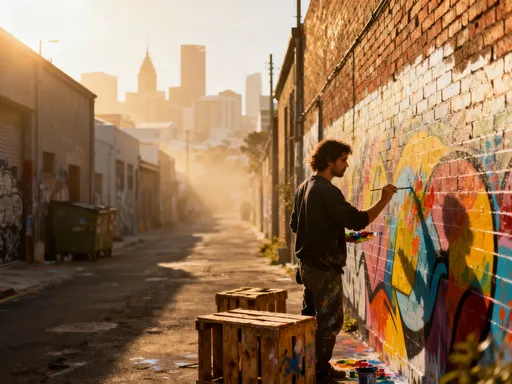
If Cape Town has a second language, it’s spoken in paint, stencil, and mosaic across its urban walls. Nowhere is this more evident than in neighborhoods like Woodstock and Salt River, where the streets themselves have become living galleries. These areas, once industrial zones marked by decline, are now vibrant canvases where local artists reclaim space and voice. What might appear at first glance as colorful decoration soon reveals itself as powerful storytelling. Each mural carries layers of meaning—some celebrating cultural heritage, others confronting social challenges, and many honoring resilience in the face of adversity.
One piece that stayed with me depicted a young girl standing atop a pile of discarded books, her arms raised as if lifting the sky. At the bottom, in both English and isiXhosa, were the words: “Our past is not our limit.” I later learned it was painted by a collective of young artists from nearby townships, part of a project aimed at transforming neglected spaces into zones of hope. They didn’t just paint—they engaged the community, hosting workshops for children and turning blank walls into platforms for dialogue. This is the essence of Cape Town’s street art: it’s not about beautification alone, but about connection, memory, and reclaiming identity.
Walking through these neighborhoods, I realized that the art wasn’t meant to be passively admired from a distance. It invited interaction. I met a muralist named Thandi, who explained how she uses her work to highlight the stories of women in her community—mothers, grandmothers, healers—whose contributions often go unnoticed. “Art,” she said, “is how we remind ourselves that we exist, that we matter.” Her words echoed in my mind as I continued exploring, noticing how frequently themes of unity, memory, and transformation appeared. The city’s complex history is not erased here; it is acknowledged, transformed, and carried forward through creativity.
Galleries Off the Beaten Path: Where Authenticity Lives
Beyond the street corners and alleyways, Cape Town’s art scene thrives in intimate, independent galleries that rarely appear in mainstream travel guides. These spaces, often tucked into converted warehouses or modest storefronts, offer a different kind of experience—one rooted in authenticity rather than commercial appeal. Unlike the polished exhibitions of larger institutions, these grassroots galleries feel alive, shaped by the artists themselves and deeply connected to their communities. Here, art isn’t just displayed; it’s discussed, debated, and shared with warmth and intention.
One such space, located in a quiet corner of Observatory, was hosting a rotating exhibition titled “Voices from the Cape Flats.” The works included mixed-media pieces, textile art, and photography, all created by residents of one of the city’s most historically underserved areas. What struck me most was the lack of pretense. There were no velvet ropes, no hushed tones—just artists mingling with visitors, explaining their process, and welcoming questions. I spoke with a photographer who had spent months documenting daily life in her neighborhood, capturing moments of joy, struggle, and resilience. “People only see the headlines,” she said. “I want them to see the faces.”
Another standout was a pop-up gallery in Woodstock that emerged from a collaboration between local designers and former factory workers. The exhibition, built around reclaimed materials, explored themes of labor, dignity, and reinvention. One installation, made entirely from discarded sewing machine parts, formed the shape of a human heart—symbolizing the enduring spirit of those who once worked in the garment industry. These spaces reminded me that art doesn’t need grandeur to be powerful. In fact, it’s often in the humblest settings that the most honest expressions emerge. For travelers seeking depth, these off-the-beaten-path galleries offer a rare window into the soul of a city.
Craft Meets Culture: Markets with a Soul
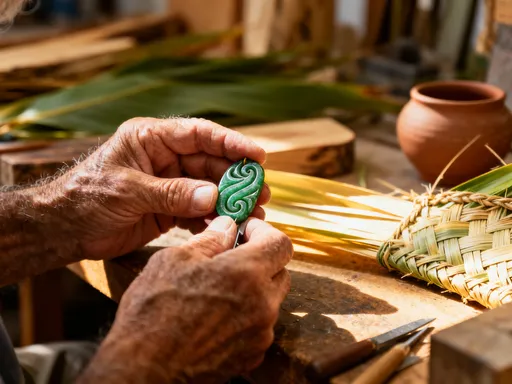
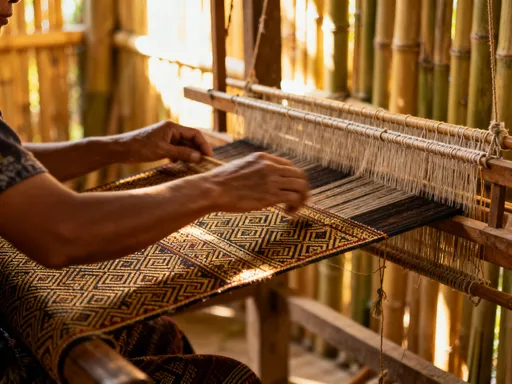
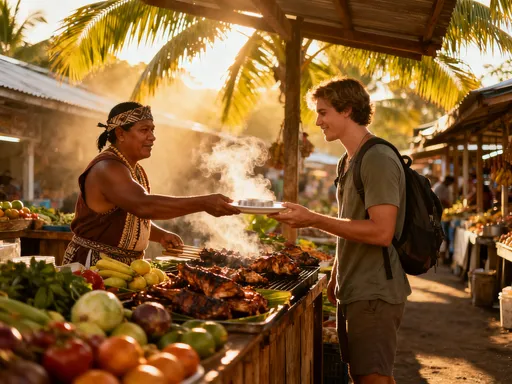
No exploration of Cape Town’s creative spirit would be complete without visiting its artisan markets—vibrant, sensory-rich spaces where tradition and innovation dance together. Among the most memorable is the Hout Bay Market, a weekend gathering that feels less like a shopping destination and more like a cultural festival. Rows of wooden stalls display handwoven baskets, beaded jewelry, ceramic pottery, and textiles dyed with natural pigments. But what makes these markets special isn’t just the craftsmanship—it’s the presence of the makers themselves, often seated behind their work, ready to share the story behind each piece.
I watched an elderly woman carefully arranging beaded necklaces, each pattern carrying symbolic meaning passed down through generations. When I asked about the colors, she smiled and explained how blue represented water and life, red stood for strength, and white honored ancestors. Her hands moved with quiet confidence, a lifetime of knowledge embedded in every stitch. Buying a piece from her wasn’t just a transaction; it was an exchange of respect and recognition. This, I realized, is what ethical tourism can look like—not taking, but connecting.
Other markets, like the Old Biscuit Mill in Woodstock, blend local food, live music, and artisan goods into a dynamic urban experience. Here, young designers showcase contemporary interpretations of traditional crafts—reimagined beadwork, modernized shweshwe prints, and furniture made from repurposed wood. The atmosphere is festive yet grounded, a celebration of creativity that feels inclusive and authentic. By supporting these markets, visitors contribute directly to local livelihoods and help sustain cultural practices that might otherwise fade. More than souvenirs, these handmade items become keepsakes of meaningful encounters—tangible reminders of the people and stories behind them.
Inside the Studios: Watching Creativity Unfold
One of the most transformative moments of my trip came not in a gallery or market, but in a small, sunlit studio tucked above a café in Salt River. Through a local contact, I was invited to observe a group of artists at work—painters, sculptors, and textile artists sharing a communal space. The air was thick with the scent of turpentine and clay, and the walls were lined with half-finished pieces, each in its own stage of becoming. There was no performance, no audience—just the quiet hum of creation.
I watched a potter shape a lump of clay into a vessel, her hands moving with a rhythm that felt ancient and personal. Nearby, a painter layered acrylics to create a textured landscape inspired by the Karoo desert. Another artist stitched together fragments of fabric into a quilt-like tapestry, each piece sourced from old clothing donated by community members. What struck me most was the intimacy of the process. Unlike museum displays, where finished works are presented as final truths, here I saw art in its vulnerable, evolving state. Mistakes were corrected, ideas were abandoned and revisited, and inspiration arrived in quiet, unannounced waves.
One artist, working on a large mixed-media piece, invited me to look closer. “People think art is about the end result,” he said, wiping paint from his fingers. “But it’s really about the journey—the questions, the doubts, the moments of surprise.” His words stayed with me. Witnessing creativity in motion deepened my appreciation in a way no exhibition ever had. It reminded me that art is not a product, but a practice—a daily act of courage and expression. For travelers, gaining access to these spaces—whether through organized studio tours or personal introductions—offers a rare privilege: the chance to see not just what is made, but how and why it comes to be.
Timing, Access, and the Smart Way to Explore
To truly experience Cape Town’s hidden art scene, timing and preparation make all the difference. The city offers several annual events that open doors usually closed to outsiders. The most notable is First Thursdays, held on the first Thursday of every month, when galleries across the city—especially in Woodstock and the City Bowl—stay open late, offering free entry, live music, and artist meet-and-greets. It’s one of the best ways to immerse yourself in the local art community, and the atmosphere is electric, drawing both residents and curious visitors.
Another opportunity is the Open Studios event, typically held in spring, when independent artists invite the public into their workspaces. These self-guided tours allow you to explore studios in neighborhoods like Salt River, Observatory, and Cape Town Central, often meeting creators in their most natural environment. Planning your trip around these events significantly increases your chances of meaningful encounters. Even outside these festivals, many galleries and cooperatives welcome visitors on weekends, though calling ahead is recommended to ensure access.
Practical considerations matter, too. While Cape Town is generally welcoming, navigating urban art districts safely requires awareness. Using reliable transportation, such as ride-sharing apps or guided tours, is advisable, especially after dark. Walking in groups and sticking to well-trafficked areas enhances both safety and enjoyment. For those unfamiliar with the city, joining a small-group art tour led by a local guide can provide valuable context and access to spaces that might otherwise be missed. These guides often have personal connections with artists and can facilitate introductions that enrich the experience.
Respectful engagement is equally important. Always ask before photographing people or artwork, and take time to listen when artists speak about their work. Purchasing art directly supports their livelihood and fosters connection, but even a thoughtful conversation can leave a lasting impact. The goal is not to collect experiences like trophies, but to participate with humility and curiosity. When done right, exploring Cape Town’s art scene becomes not just a highlight of the trip, but a model for how to travel with intention.
Why This Side of Cape Town Changes How You Travel Forever
Leaving Cape Town, I carried more than photographs and souvenirs. I carried a shift in perspective—one that continues to influence how I approach new destinations. This city taught me that every place, no matter how familiar its image, holds unseen layers waiting to be discovered. Beyond the famous peaks and shores lies a deeper current: the creative spirit of its people. Engaging with Cape Town’s art scene moved me from sightseeing to meaningful cultural exchange, from observation to participation.
What makes this experience transformative is not just the beauty of the art, but the humanity behind it. Each mural, sculpture, and handcrafted object is a testament to resilience, identity, and hope. These are not abstract concepts—they are lived realities, expressed through color, form, and texture. By seeking out these stories, travelers do more than broaden their horizons; they honor the voices that shape a place. This kind of travel fosters empathy, deepens understanding, and creates connections that outlast the journey itself.
Perhaps the greatest lesson is this: every destination has its hidden creative layers. Whether in a bustling metropolis or a quiet village, there are artists working, storytellers sharing, and communities preserving traditions in new ways. The key is to look beyond the surface, to slow down, and to approach each place with openness and respect. Cape Town didn’t just surprise me—it redefined what travel could be. It showed me that the most unforgettable experiences aren’t found in guidebooks, but in the quiet studios, bustling markets, and painted walls where culture breathes, evolves, and invites us in. So the next time you plan a trip, ask yourself: what stories is this place not telling me? And how can I listen?