You Won’t Believe These Hidden Corners of Córdoba’s City Blocks
Ever walked down a street that feels like a secret? That’s Córdoba for you—not just a city, but a mosaic of neighborhood souls. Behind its colonial walls and quiet corners, each block tells a story. I wandered without a map and found art, history, and life pulsing through side streets. This isn’t just sightseeing—it’s feeling the city breathe. Let me take you where the guidebooks don’t.
The Heartbeat of Barrio Güemes
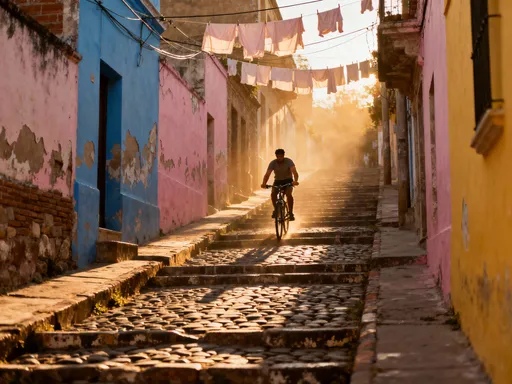
Nestled just west of Córdoba’s bustling city center, Barrio Güemes is a vertical village carved into the hillsides, where staircases replace streets and every turn offers a new vantage point. This pedestrian-only neighborhood, developed in the early 20th century, was born out of necessity—land was scarce, and the terrain steep, so architects and residents adapted with ingenuity. Narrow stone steps wind between tightly packed homes, their pastel facades adorned with flower boxes and wrought-iron railings. Balconies jut out over the alleys, where neighbors exchange greetings and the scent of freshly baked empanadas drifts from open kitchen windows in the early morning.
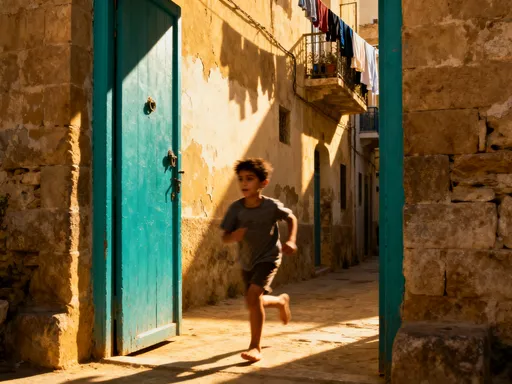
What makes Barrio Güemes so captivating is not just its architecture, but its rhythm. Life here unfolds at a human pace. Children walk to school along the stepped pathways, elderly residents sip mate in shaded doorways, and the occasional street musician adds a soft soundtrack to the day. The neighborhood was once a working-class enclave, but today it stands as a model of urban preservation. Restoration efforts led by local cooperatives have stabilized aging structures while maintaining their historical character. Solar panels blend discreetly with terracotta roofs, and rainwater collection systems support the community’s green ethos.
Tourism has touched Barrio Güemes gently. Visitors come to admire the panoramic views of the city from Mirador Güemes, a public viewpoint at the top of the hill, but few linger beyond the lookout. Those who do—walking deeper into the network of staircases—discover small family-run eateries serving regional dishes like locro and humitas. The community has embraced tourism without surrendering its authenticity, enforcing quiet hours and discouraging short-term rentals that could disrupt daily life. For travelers seeking connection over convenience, Barrio Güemes offers a rare glimpse into how urban living can be both intimate and sustainable.
Alta Córdoba: Where Trains and Culture Meet
Once a working-class district built around the arrival of the railway in the late 1800s, Alta Córdoba has evolved into a harmonious blend of heritage and modern vitality. The heart of the neighborhood is the restored Estación Alta Córdoba, a beautifully preserved railway station that once connected the city to Buenos Aires and beyond. Though passenger service has diminished, the station remains a cultural hub, hosting art exhibitions, music performances, and weekend markets that draw both locals and visitors. The sound of train whistles may have faded, but the spirit of connection endures.
Tree-lined avenues like Avenida Vélez Sársfield and Calle General Paz frame rows of early 1900s homes, many of which have been thoughtfully restored. These residences, with their tiled roofs, arched windows, and ornate woodwork, now house independent cafés, design studios, and boutique wellness centers. The district’s architecture reflects a time when Córdoba was expanding as an educational and industrial center, and today’s residents honor that legacy by blending historical respect with contemporary living. Solar lighting, native landscaping, and pedestrian-friendly sidewalks enhance the area’s charm without compromising its identity.
Weekends in Alta Córdoba are marked by community gatherings. The Feria de Artesanos del Tren, held monthly near the station, features handmade crafts, local food, and live folk music. Families stroll with children and dogs, stopping at kiosks for fresh juice or artisanal ice cream. Local schools and cultural associations often organize storytelling sessions or outdoor film screenings, reinforcing a strong sense of belonging. Unlike more commercialized districts, Alta Córdoba has resisted the push toward homogenization. Its evolution has been guided by neighborhood councils that prioritize green spaces, noise regulations, and the protection of historic facades. For those who appreciate the quiet dignity of a place that honors its past while embracing the present, Alta Córdoba is a quiet revelation.
Saviñón: The Green Escape Within the City
Just a short bus ride from the city center, Saviñón offers a striking contrast to Córdoba’s denser neighborhoods. Known for its wide, tree-lined avenues and low-rise buildings, this residential district feels more like a garden suburb than an urban quarter. Yet it remains fully integrated into the city’s fabric, with reliable public transit and easy access to schools, healthcare, and shopping centers. What sets Saviñón apart is its commitment to green living—a philosophy evident in its parks, bike paths, and community-led environmental initiatives.
The district is bordered by natural reserves such as Quebrada de Yerba Buena, a protected area of hills and streams that offers hiking trails and picnic spots just minutes from downtown. Residents often begin their mornings with a walk or jog along the Parque Sarmiento perimeter path, where native birds flit among the eucalyptus and algarrobo trees. Public spaces are thoughtfully designed: playgrounds are shaded, benches are plentiful, and recycling stations are standard at every corner. The municipality has invested in permeable pavement and rain gardens to manage stormwater, reducing runoff and supporting local biodiversity.
Families are drawn to Saviñón for its safety, cleanliness, and quality of life. Children play freely in the streets, and neighbors know one another by name. Community gardens dot the district, where residents grow herbs, vegetables, and flowers using organic methods. These spaces double as social hubs, hosting seasonal harvest festivals and cooking workshops. The district also boasts one of the city’s most extensive bike lane networks, connecting schools, parks, and commercial areas. Many professionals choose to live here despite working downtown, citing the mental clarity and physical well-being that come from daily contact with nature. In a world where urban life often feels overwhelming, Saviñón proves that cities can nurture both people and the environment.
Patio Olmos and Its Contrasts
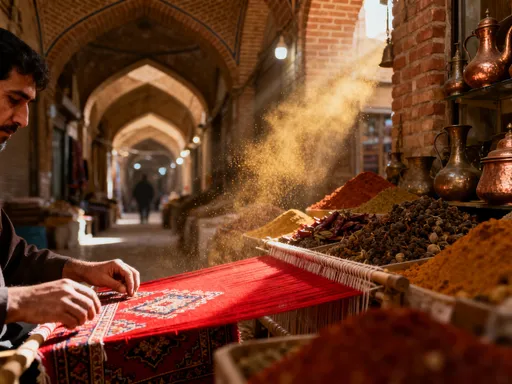
No discussion of Córdoba’s urban landscape is complete without addressing the duality embodied by the Patio Olmos district. At its core stands the sleek, glass-fronted shopping mall of the same name—a symbol of modern Argentina’s economic confidence. Opened in the early 2000s, the complex features international brands, gourmet restaurants, and a luxury cinema, drawing crowds from across the region. Yet just steps away, in the adjacent blocks of Calle Dean Funes and Calle Esquiú, life unfolds at a markedly different pace. Here, colonial-era homes with wooden doors and interior patios stand beside small family-run shops selling textiles, spices, and handmade sweets.
This juxtaposition is not accidental, but reflective of Córdoba’s layered identity. The city embraces progress while striving to preserve its soul. Urban planners have worked to ensure that development around Patio Olmos does not erase the surrounding historic fabric. Height restrictions, façade preservation rules, and pedestrian-only zones help maintain the character of older streets. The result is a dynamic tension—one where luxury boutiques coexist with traditional bakeries, and where young professionals sip lattes in minimalist cafés just doors away from grandmothers selling empanadas from their kitchen windows.
Foot traffic patterns reveal much about this balance. During the day, the mall draws a steady stream of shoppers, but in the early mornings and late evenings, the older streets come alive with local life. Residents gather at corner kiosks, children ride bikes in the plazas, and street vendors sell fresh fruit from wooden carts. The city has introduced “silent hours” near residential blocks to minimize noise pollution from commercial activity, a small but meaningful gesture toward harmony. For visitors, walking from the polished floors of Patio Olmos into the weathered charm of the adjacent barrios is like moving between centuries. It’s a reminder that true urban vitality lies not in uniformity, but in the respectful coexistence of old and new.
Barrio Universitario: Youth, Energy, and Street Life
As the home of Argentina’s oldest university—Universidad Nacional de Córdoba—Barrio Universitario pulses with intellectual and creative energy. This is a district shaped by students, professors, and researchers, where bookstores stay open late, cafés double as study halls, and street art evolves with the academic calendar. The neighborhood centers around the university’s historic campus, a UNESCO World Heritage site with neoclassical buildings, tranquil courtyards, and a revered chapel, but the life of the barrio spills far beyond its gates.
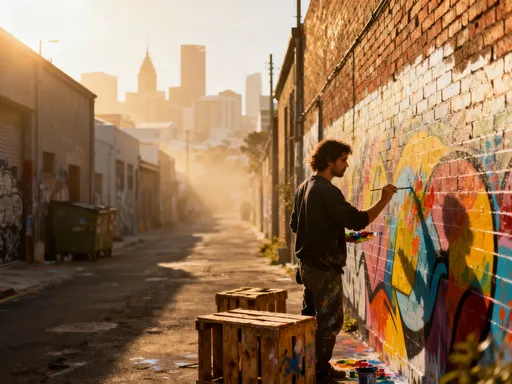
Along Calle San Martín and Calle San Luis, student-run enterprises thrive. You’ll find tiny cafés serving strong coffee and medialunas, secondhand bookshops with shelves stacked to the ceiling, and pop-up galleries showcasing thesis projects. Murals cover the sides of buildings—some political, some poetic, all expressive—changing with the seasons as new classes arrive. The district’s affordability and accessibility make it a magnet for young people from across the country, creating a diverse, open-minded community. Public plazas like Plaza España become gathering spots in the evenings, where students debate ideas, play guitar, or simply sit and watch the world go by.
Safety and walkability are central to the area’s appeal. Well-lit streets, frequent bus routes, and a visible presence of university security patrols ensure that students can move freely, even at night. The city has invested in digital kiosks with free Wi-Fi, charging stations, and emergency buttons, enhancing both convenience and peace of mind. Community programs, such as peer mentoring and cultural festivals, foster a sense of belonging. For many young Argentines, Barrio Universitario is more than a place to study—it’s a formative experience, a space where identity, ambition, and friendship take root. Visitors who walk its streets often remark on the palpable sense of possibility in the air.
Hidden Arts in Barrio Euyello and Villa Cabrera
A short distance from the university district, tucked between residential zones and quiet avenues, lie two of Córdoba’s most underrated creative enclaves: Barrio Euyello and Villa Cabrera. These neighborhoods do not appear on most tourist maps, yet they are alive with artistic expression. Here, art is not confined to galleries but woven into the fabric of daily life—on doorways, in courtyards, and along forgotten alleyways. Independent artists, ceramicists, textile makers, and sculptors have found sanctuary in these areas, where rent remains affordable and creative freedom is celebrated.
Villa Cabrera, in particular, has become a haven for the city’s underground art scene. Small studios operate out of converted garages and ground-floor apartments, hosting open-house events on weekend afternoons. Visitors might stumble upon a printmaker demonstrating traditional techniques, a potter shaping clay on a backyard wheel, or a poet reading verses in a sunlit patio. The neighborhood’s architecture enhances its charm: low walls with hand-painted tiles, wooden gates carved with floral motifs, and facades splashed with bold colors that reflect the owners’ personalities. These details are not decorative afterthoughts but declarations of individuality.
Barrio Euyello, though quieter, shares a similar spirit. Community-led initiatives have transformed vacant lots into mural parks, where local and visiting artists collaborate on large-scale works. Annual events like the Encuentro de Artes Urbanas bring together painters, musicians, and performers for a weekend of creative exchange. Unlike commercial art districts, these neighborhoods resist commodification. Sales are secondary to expression; the focus is on dialogue, experimentation, and connection. For travelers seeking authentic cultural experiences, a visit to Euyello or Villa Cabrera offers a rare intimacy—one where art is not observed from a distance, but felt in the shared breath of creation.
Navigating Córdoba’s Urban Soul: Practical Tips for Deep Exploration
To truly experience Córdoba’s hidden corners, one must travel like a local—slowly, thoughtfully, and with curiosity. The city’s public bus system, operated by several private companies under municipal oversight, is extensive and affordable. Routes like the 10, 22, and 50 connect major neighborhoods and run frequently during daylight hours. For deeper exploration, combine bus travel with walking: disembark at key intersections and allow yourself to wander, following foot traffic or the scent of fresh bread. Avoid peak commute times (7–9 a.m. and 6–8 p.m.) to enjoy a more relaxed pace.
Safety is generally good in the neighborhoods described, but it’s wise to remain aware of your surroundings, especially after dark. Stick to well-lit, populated streets, and avoid carrying large amounts of cash or valuables. In residential areas like Saviñón or Barrio Güemes, locals appreciate quiet and discretion—observe without intruding, and always ask permission before photographing people or private homes. A simple ‘Buenos días’ or ‘Gracias’ in Spanish goes a long way in building goodwill.
The best times to explore are weekday mornings and Sunday afternoons, when streets are lively but not crowded. Cafés open around 8 a.m., and markets are fullest between 10 and 1 p.m. Many smaller galleries and studios in Villa Cabrera and Euyello are open Saturday and Sunday afternoons, often coinciding with community events. Wear comfortable shoes—Córdoba’s hills and cobblestones demand respect—and carry a reusable water bottle, as public fountains are increasingly available.
Most importantly, practice slow travel. Resist the urge to check off landmarks. Instead, pause on a bench, listen to conversations, taste a street vendor’s pastry, or accept an invitation to a neighborhood gathering. Córdoba rewards presence. Its stories are not in brochures, but in the way a grandmother waves from her balcony, the sound of a guitar drifting from an open window, or the sudden glimpse of a mural hidden down an alley. To walk its blocks is to participate in its life.
Córdoba’s true magic isn’t in monuments, but in its streets—where every corner holds a whisper of history, identity, and daily joy. To walk its blocks is to understand Argentina’s soul, one authentic moment at a time.