Urban Journeys: Where Manchester’s Hidden Spaces Come Alive
Ever wondered how a city’s soul hides in plain sight? I recently wandered through Manchester—not just the tourist spots, but its real, beating heart. From repurposed warehouses to quiet courtyards tucked between streets, the city’s urban spaces tell stories of reinvention and resilience. This isn’t just architecture—it’s atmosphere. Let me take you where maps don’t, into pockets of creativity and calm that make Manchester uniquely alive. You’ll see it differently, I promise.
Reimagined Streetscapes: Manchester’s Industrial Past Meets Modern Pulse
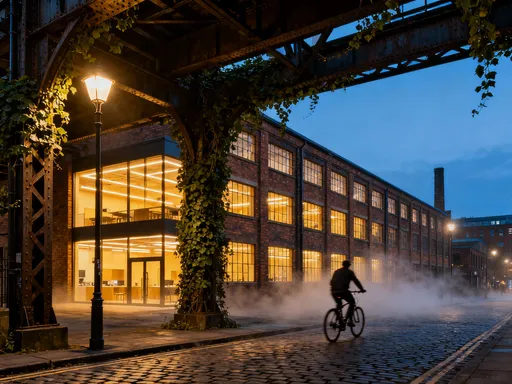
Manchester’s transformation from industrial powerhouse to cultural innovator is etched into its streets. Once dominated by cotton mills and freight railways, the city now breathes new life into its brick-and-steel heritage. The district of Ancoats, once the world’s first industrial suburb, stands as a prime example of thoughtful regeneration. Former textile mills now house independent coffee roasters, artisan bakeries, and creative workspaces where designers sketch and writers draft novels in sunlit lofts. These conversions honor the past while serving the present, preserving original features like exposed beams and cast-iron columns while integrating modern amenities.
The Northern Quarter offers another compelling chapter in this story. Its maze of narrow streets pulses with creative energy, where record shops share walls with streetwear boutiques and underground art galleries. What makes this reinvention meaningful is not just aesthetic appeal, but the way it fosters community. Adaptive reuse prevents cultural erasure—rather than demolishing old structures, the city restores them, allowing history to remain visible. This continuity strengthens local identity, giving residents and visitors alike a tangible sense of place. Urban planners emphasize that preserving architectural character contributes to emotional attachment, a key factor in long-term neighborhood vitality.
What drives this regeneration ethos? A commitment to sustainable development. Reusing existing buildings reduces construction waste and carbon emissions compared to new builds. It also supports economic diversity by attracting small businesses that might not afford space in modern commercial districts. City policies encourage mixed-use zoning, blending residential, retail, and creative industries within the same blocks. This integration fosters 24-hour neighborhoods—places that feel alive at all hours, not just during business days. As a result, Manchester avoids the hollow feel of cities where downtowns empty after 6 p.m.
For travelers, exploring these reimagined spaces offers more than photo opportunities. It provides insight into how cities can evolve without losing their soul. Walking through Ancoats or the Northern Quarter, one senses a city that values memory as much as progress. These are not sanitized heritage sites, but lived-in environments where history coexists with innovation. The message is clear: urban renewal need not mean erasure. When done thoughtfully, it becomes a dialogue between past and future—one Manchester is mastering with quiet confidence.
Green Oases in the Urban Grid: Parks and Pocket Gardens That Breathe
In the midst of Manchester’s dense urban fabric, green spaces serve as essential lungs. They offer relief from concrete and noise, providing residents and visitors with places to pause, reflect, and reconnect with nature. Platt Fields Park in Fallowfield exemplifies this role, stretching across 55 hectares with tree-lined pathways, a boating lake, and beautifully maintained gardens. Families picnic on summer afternoons, children chase ducks near the water’s edge, and couples stroll beneath towering horse chestnuts. These moments of calm are not incidental—they are the result of deliberate urban planning that recognizes the importance of accessible nature.
Beyond large parks, Manchester has embraced smaller-scale green interventions. Pocket parks—compact green areas tucked into underused plots—have emerged in neighborhoods like Hulme and Ardwick. These spaces, often no larger than a tennis court, are carefully designed to maximize usability. Some feature benches and wildflower plantings; others include play elements for children or community gardening plots. Their impact is disproportionate to their size. Studies show that even brief exposure to greenery can reduce stress, improve concentration, and enhance overall well-being. For city dwellers with limited access to private gardens, these micro-oases are invaluable.
The Rochdale Canal towpath offers another vital green corridor. Once an industrial waterway, it now serves as a linear park for walking and cycling, linking Ancoats to the city center and beyond. Along its banks, native plants have been reintroduced, supporting pollinators and improving biodiversity. Birdwatchers spot kingfishers darting over the water, while joggers and dog walkers enjoy uninterrupted routes away from traffic. The canal’s transformation reflects a broader shift in urban thinking: infrastructure once dedicated solely to commerce now serves recreation and ecology.
For visitors planning a city break, integrating green spaces into their itinerary enhances both enjoyment and health. A morning walk in Heaton Park—the largest municipal park in Europe—can set a peaceful tone for the day. Picnicking in Whitworth Park, adjacent to the Whitworth Art Gallery, combines culture and nature seamlessly. Even brief stops in pocket gardens during shopping trips offer mental resets, helping travelers stay present and energized. The city’s green network is well-connected, with clear signage and paved or compacted gravel paths suitable for strollers and mobility aids. This accessibility ensures that people of all ages and abilities can benefit from Manchester’s commitment to urban greening.
Public Art as Urban Connector: Murals, Installations, and the Spirit of Place
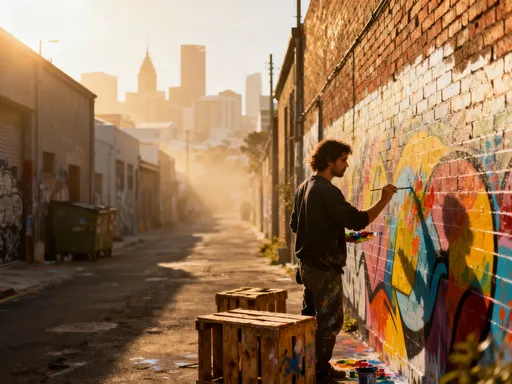
Art in Manchester does not live behind glass—it thrives in the open air, shaping how people experience the city. From bold murals celebrating local heroes to subtle sculptural interventions in overlooked corners, public art functions as both decoration and dialogue. One of the most iconic examples is the mural of Tony Wilson in the Northern Quarter, a tribute to the influential music entrepreneur who helped define Manchester’s cultural identity. Painted in expressive brushstrokes, the piece draws passersby into conversation about the city’s creative legacy.
Street art here is not imposed from above but grows organically from community voices. Artists often collaborate with residents, ensuring that works reflect authentic stories rather than commercial trends. In Ancoats, a series of ceramic tiles along a former factory wall depict scenes of industrial labor, honoring the neighborhood’s working-class roots. Under railway arches near Piccadilly, temporary installations by emerging artists rotate seasonally, keeping the urban landscape dynamic and inclusive. These artworks transform sterile spaces into places of meaning, inviting people to slow down and engage.
Walking routes centered on public art have become popular among locals and tourists alike. The Northern Quarter Mural Trail, for instance, guides visitors through alleys and side streets where vibrant compositions cover entire building facades. Each stop includes interpretive signage explaining the artist’s intent and historical context. Families with children enjoy scavenger-hunt-style exploration, while photography enthusiasts capture ever-changing visuals. These trails encourage discovery beyond main thoroughfares, revealing hidden courtyards and architectural details that might otherwise go unnoticed.
The emotional resonance of public art lies in its accessibility. Unlike museum collections, which may feel exclusive or intimidating, street art meets people where they are—on their commute, during errands, or on casual walks. It sparks joy, provokes thought, and fosters a sense of shared ownership. When residents see their stories reflected on walls, they feel seen and valued. For visitors, these visual narratives offer deeper understanding of Manchester’s character—resilient, creative, and proudly independent. In a city that reinvents itself continuously, public art serves as both mirror and compass.
The Architecture of Movement: How Transport Shapes City Exploration
How we move through a city shapes how we experience it. In Manchester, transportation is not merely functional—it’s foundational to urban enjoyment. The Metrolink, the city’s light rail system, spans over 100 kilometers with more than 100 stops, connecting suburbs to the center with reliable frequency. For travelers, this means easy access to key destinations without the stress of driving or parking. A journey from Victoria Station to MediaCityUK in Salford takes just 18 minutes, offering views of evolving skylines and riverside developments along the way.
Cycling infrastructure has expanded significantly in recent years. Dedicated lanes now line major routes, and the city participates in a regional bike-sharing program with docking stations throughout central areas. The Fallowfield Loop, a traffic-free path converted from an old railway line, is especially popular among recreational cyclists and commuters alike. Its smooth surface and tree canopy create a serene riding experience, proving that sustainable transport can also be pleasurable. For visitors renting bikes, guided cycle tours offer curated introductions to neighborhoods, combining exercise with storytelling.
Pedestrian-friendly zones further enhance the ease of exploration. Parts of King Street, St. Ann’s Square, and the Northern Quarter are either fully or partially closed to motor vehicles, creating safe spaces for walking and lingering. This design choice has psychological benefits: when people feel unhurried and unthreatened by traffic, they are more likely to notice details—the texture of a brick wall, the scent of coffee from a corner cafe, the sound of live music drifting from an open door. Seamless mobility fosters deeper connection to place, turning navigation into discovery.
Real-time information systems support this fluid experience. Digital displays at transit stops show arrival times, service updates, and alternative routes, reducing uncertainty. Mobile apps integrate bus, tram, and bike options, allowing users to plan multi-modal journeys efficiently. For families or older adults, this reliability increases confidence in using public transport. The cumulative effect is a city that feels navigable, welcoming, and inclusive. When movement is effortless, attention shifts from logistics to experience—exactly as it should be for meaningful urban engagement.
Civic Spaces Reborn: Libraries, Markets, and Hubs of Human Exchange
At the heart of Manchester’s urban revival are its reimagined civic spaces—places where people gather not just to consume, but to connect. The Central Library, reopened in 2014 after a major restoration, stands as a testament to the enduring value of knowledge and community. Its domed reading room, flooded with natural light, invites quiet contemplation, while ground-floor areas host author talks, children’s story hours, and digital workshops. More than a repository of books, it functions as a living room for the city—a neutral, welcoming space open to all.
Equally transformative is Mackie Mayor, a Victorian-era market hall in the heart of Ancoats. Once used for wholesale produce trading, it now houses a curated collection of independent food vendors. Visitors sip specialty coffee, sample wood-fired flatbreads, and browse handmade goods, all beneath a soaring glass roof. The space buzzes with energy at lunchtime and settles into a relaxed evening rhythm as candles are lit and wine glasses clink. What makes Mackie Mayor special is its emphasis on local producers—many vendors source ingredients from regional farms, reinforcing ties between city and countryside.
These spaces succeed because they prioritize human interaction over transaction. Unlike generic shopping malls, they encourage lingering—people sit on steps, strike up conversations, and return regularly. This social anchoring strengthens neighborhood cohesion and fosters a sense of belonging. Urban researchers note that successful civic hubs share common traits: good lighting, flexible seating, diverse programming, and accessibility. Manchester’s revitalized buildings embody these principles, becoming landmarks not for their architecture alone, but for the life they contain.
For visitors, timing visits to coincide with events enhances the experience. Saturday markets at Mackie Mayor draw larger crowds and feature live music, while weekday mornings at the Central Library offer quieter moments for browsing and reflection. Seasonal festivals—such as the Christmas market in Albert Square or the summer food fair at Piccadilly Gardens—further animate public spaces, drawing people together in celebration. These moments remind us that cities thrive when they create opportunities for shared presence, not just individual consumption.
Nighttime Landscapes: How Light and Energy Redefine the City After Dark
As daylight fades, Manchester reveals another dimension of its urban character. The nighttime landscape is shaped not by loud clubs or neon excess, but by thoughtful lighting design and low-key vibrancy. In Spinningfields, a business district turned social hub, warm-toned lamps line pedestrian walkways, casting a gentle glow on cobblestone paths. Restaurants and wine bars spill onto terraces, where groups gather over shared plates and conversation flows easily. The ambiance is relaxed, inviting—perfect for a post-dinner stroll or a quiet drink under the stars.
Deansgate Locks, a canal-side area with converted warehouse buildings, offers a similar atmosphere. Illuminated archways and softly lit water reflections create a picturesque setting, while pubs and brasseries maintain a steady hum without overwhelming noise. These zones are designed for safety and comfort, with consistent lighting, visible sightlines, and regular foot traffic. Women and older adults, in particular, report feeling secure navigating these areas after dark—a crucial factor in inclusive city design.
Architectural lighting plays a subtle but powerful role. The Beetham Tower, one of the city’s tallest buildings, features a dynamic LED facade that changes color in response to weather or civic events. During national health campaigns, it glows blue; for cultural festivals, it shifts to vibrant hues. These visual cues create shared moments of awareness, turning the skyline into a communal canvas. Meanwhile, historic buildings like the Town Hall are uplit to highlight their grandeur, reinforcing civic pride.
The psychological impact of nighttime environments should not be underestimated. Well-designed lighting extends the usable hours of public space, allowing people to enjoy the city beyond daylight. It also influences mood—warm, diffused light tends to feel more welcoming than harsh, fluorescent alternatives. For visitors, an evening walk through Manchester’s illuminated streets offers a different kind of intimacy, one defined by soft shadows, quiet laughter, and the gentle lap of canal water against stone. This is nightlife not as spectacle, but as serenity.
Designing for People: Lessons from Manchester’s Human-Scale Urbanism
What makes Manchester’s urban spaces resonate so deeply? The answer lies in its commitment to human-scale design. Rather than prioritizing vehicles or monumental architecture, the city focuses on the pedestrian experience—narrower streets, building entries at eye level, and frequent points of interest that encourage walking. Mixed-use zoning ensures that homes, shops, and workplaces coexist, reducing the need for long commutes and fostering neighborhood identity. These principles align with global trends toward sustainable, livable cities, yet Manchester applies them with local character and authenticity.
Inclusive design is another cornerstone. Ramps, tactile paving, and clear signage make public spaces accessible to people with mobility challenges. Seating is plentiful and strategically placed, allowing older adults or parents with strollers to rest without leaving the flow of activity. Playful details—such as musical pavement tiles in Piccadilly Gardens or interactive fountains—engage children and spark delight across ages. When cities design for everyone, they become richer for all.
Manchester is not without challenges—housing affordability, air quality, and equitable development remain pressing issues. Yet its progress offers inspiration. The city demonstrates that urban renewal can be both forward-looking and respectful of heritage. It shows that green spaces, art, and accessible transit are not luxuries, but necessities for well-being. And it proves that when people are placed at the center of planning, cities become not just functional, but meaningful.
For travelers, Manchester invites a shift in perspective. Instead of rushing from landmark to landmark, it encourages mindful exploration—pausing in a sunlit courtyard, chatting with a vendor at a local market, noticing the texture of a mural. These small moments accumulate into a deeper understanding of place. As more cities seek models for humane urbanism, Manchester stands as a compelling example: imperfect, evolving, but always alive. Come not just to see it, but to feel it. Walk its streets, breathe its air, and let its hidden spaces speak to you. The city’s soul is waiting to be discovered.