Hidden Gems and Local Flavors: Auckland’s Secret Souvenirs You’ve Never Heard Of
Ever stumbled upon a travel find so unique you couldn’t believe it existed? I did—right in the heart of Auckland. Beyond the Sky Tower and ferry rides to Waiheke, tucked in laneways and weekend markets, I discovered handmade treasures and local flavors most tourists completely miss. These aren’t just souvenirs—they’re stories wrapped in design, culture, and passion. From a hand-carved pounamu pendant passed down through generations to a jar of small-batch manuka honey harvested from coastal hives, each item carries the heartbeat of Aotearoa. Let me take you off the map to where real Auckland lives, where creativity blooms quietly and authenticity is worn like a badge of honor.
The Allure of Off-the-Radar Travel
Travel has long been associated with iconic landmarks and must-see attractions, but the true soul of a destination often lies beyond the brochures. In Auckland, a city of contrasts where urban energy meets coastal serenity, the most meaningful experiences unfold when you step away from the crowds. Off-the-radar travel is not about rejecting popular sites—it’s about complementing them with deeper, more personal discoveries. When you wander into a weekend market in Ōtara or pause at a pop-up studio in Grey Lynn, you’re not just shopping; you’re engaging with the city’s living culture. These moments foster connection, spark curiosity, and create memories that outlast any photograph.
What makes these hidden experiences so powerful is their authenticity. Unlike mass-produced souvenirs churned out for tourist consumption, the items found in Auckland’s creative corners are born from intention and care. A ceramic bowl shaped by hand, a flax-woven bracelet dyed with native plants, or a bottle of chili sauce crafted in a family kitchen—each carries the imprint of its maker. These objects are not merely decorative; they are vessels of story, tradition, and local pride. Travelers who seek them out often find their journeys transformed, not by grand gestures, but by quiet, heartfelt exchanges.
Moreover, choosing to explore beyond the mainstream supports sustainable tourism. Small artisans and independent producers rely on conscious visitors to sustain their craft. By prioritizing local markets, independent boutiques, and community events, travelers contribute directly to the local economy in a way that is both ethical and impactful. This shift in travel behavior reflects a growing global awareness: that the best souvenirs are not the cheapest or flashiest, but those rooted in place, people, and purpose. In Auckland, this philosophy thrives in every tucked-away studio and neighborhood fair.
Auckland’s Creative Underground: Where Authenticity Lives
Beneath Auckland’s polished skyline lies a vibrant network of creatives whose work defines the city’s cultural pulse. This is not an underground in the literal sense, but a community of artists, designers, and makers who operate outside commercial galleries and shopping malls. Their studios—often converted garages, repurposed warehouses, or corner shops in residential neighborhoods—are where innovation meets tradition. Here, natural materials like pounamu, bone, wool, and clay are transformed into wearable art, functional homewares, and expressive sculptures that reflect both personal vision and cultural heritage.
Districts like Ponsonby, Grey Lynn, and Mount Eden are home to clusters of independent artists who open their doors during monthly First Thursdays or local art walks. These events invite visitors to witness the creative process firsthand—watching a jeweler set a greenstone pendant, a textile artist hand-print fabric with native motifs, or a ceramicist shape a mug from locally sourced clay. The experience is intimate, educational, and deeply human. Unlike retail encounters where transactions are quick and impersonal, these interactions allow travelers to ask questions, learn stories, and form genuine connections with the people behind the craft.
What sets this creative underground apart is its commitment to sustainability and originality. Many artists use reclaimed or ethically sourced materials, minimizing environmental impact while honoring the land. Others incorporate traditional Māori techniques into contemporary designs, bridging past and present in subtle, respectful ways. The result is a body of work that feels both modern and timeless—pieces that resonate emotionally and aesthetically. For the discerning traveler, these studios offer exclusive access to one-of-a-kind items that cannot be replicated, let alone found in a souvenir shop near the harbor.
Māori-Made Treasures: Culture in Every Carving
No exploration of Auckland’s authentic souvenirs is complete without acknowledging the rich artistic traditions of the Māori people, the indigenous iwi of Aotearoa. For centuries, Māori artisans have expressed identity, history, and spiritual belief through intricate carvings, weaving, and adornment. Today, their work remains a vital part of New Zealand’s cultural fabric, and for visitors, purchasing Māori-made crafts can be a meaningful way to honor and support this living heritage—provided it is done with respect and awareness.
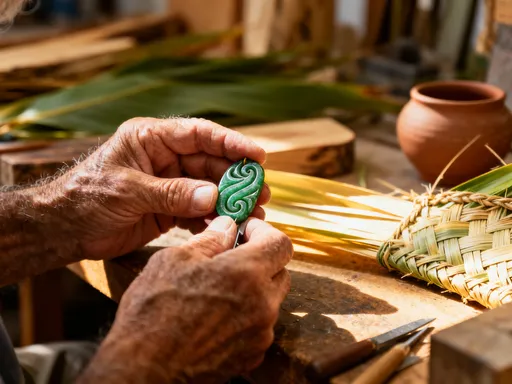
Among the most cherished items are pounamu carvings, also known as greenstone. Found primarily on the South Island but revered across the country, pounamu is considered a taonga, or treasure, in Māori culture. It is believed to carry mana (spiritual power) and is often passed down through generations. Common forms include the hei tiki (a stylized human figure symbolizing ancestry), the twist pendant (representing the bond between two people), and the manaia (a spiritual guardian). When purchased from authentic Māori artists or cooperatives, these pieces are more than jewelry—they are cultural emblems, each shaped with intention and care.
Equally significant are woven flax accessories, such as kete (baskets) and pōtae (hats), crafted using the traditional art of raranga. These items often feature natural dyes derived from native plants and may include symbolic patterns that tell stories of place and whakapapa (genealogy). Similarly, bone and whale tooth pendants, while less common today due to conservation and ethical considerations, are still made by some artisans using legally sourced materials and traditional tools. The key for travelers is to ensure authenticity by purchasing directly from Māori-owned businesses or certified cultural centers, rather than from generic gift shops where imitations abound.
Ethical sourcing is paramount. Tourists should be cautious of mass-produced carvings labeled as “Māori art” when they lack cultural accuracy or are made overseas. Supporting genuine Māori artisans not only ensures cultural integrity but also contributes to economic self-determination for indigenous communities. Visitors can find authentic pieces at cultural events, artist markets, and specialized galleries such as those in Tāmaki Makaurau’s creative hubs. By choosing thoughtfully, travelers help preserve a tradition that is both ancient and evolving.
The Market Magic: From Ōtara to Avondale’s Weekend Finds
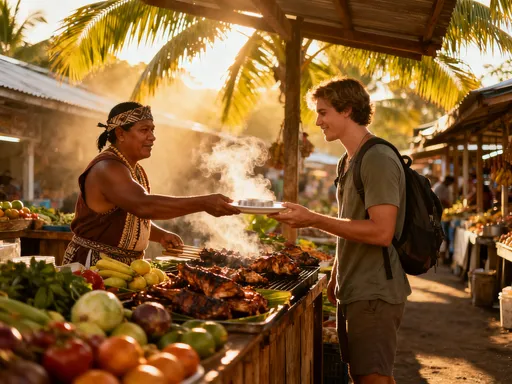
If Auckland’s creative soul has a heartbeat, it pulses strongest in its local markets. These are not the polished, tourist-targeted bazaars found in many cities, but vibrant, community-driven spaces where locals gather to shop, eat, and connect. The Ōtara Market, open every Saturday, is one of the largest and most dynamic in the city. Here, under colorful awnings and bustling stalls, vendors sell everything from fresh tropical fruit to hand-sewn clothing and custom-designed t-shirts featuring native birds like the kākāpō and tūī. It’s a celebration of Pacific and Māori culture, where music, food, and craftsmanship come together in a joyful, unfiltered expression of everyday life.
Equally compelling is the Avondale Market, known for its mix of vintage goods, handmade crafts, and organic produce. Nestled in a suburban setting, it attracts a diverse crowd of bargain hunters, collectors, and curious travelers. Among the stalls, you might find a potter selling limited-edition ceramics glazed with volcanic ash, a beekeeper offering raw honeycomb in reusable jars, or a herbalist crafting skincare products from harakeke (New Zealand flax) and mānuka. These items are not made for mass appeal—they are labors of love, created by people deeply connected to their materials and methods.
What makes these markets special is their authenticity. Unlike tourist markets where goods are often imported and resold, Auckland’s weekend fairs prioritize local production. Vendors are typically the makers themselves, allowing for direct conversation about how and why something was made. This transparency builds trust and enriches the shopping experience. For travelers, it’s an opportunity to ask questions, learn techniques, and carry home something truly representative of the place. A hand-printed tea towel, a jar of native plant salve, or a ceramic mug with an ocean-inspired glaze—each item becomes a tactile memory of the city’s creative spirit.
Behind the Labels: Small-Batch Tastes from Auckland’s Pantry
Auckland’s culinary landscape is as diverse as its population, but beyond the cosmopolitan restaurants and café culture lies a quieter revolution: the rise of boutique food producers crafting small-batch goods with local ingredients. These artisans are redefining what it means to taste a place. From coastal apiaries harvesting mānuka honey to family kitchens fermenting chili sauces with heirloom peppers, these flavors tell stories of land, climate, and tradition. For travelers, they offer a delicious way to bring a piece of Auckland home—one that lingers on the palate long after the journey ends.
One of the most iconic local products is mānuka honey, renowned for its natural properties and deep amber hue. While widely available in supermarkets, the most distinctive blends come from small apiaries in the Waitākere Ranges and Hunua Hills, where beekeepers manage hives with care and precision. These producers often label their jars with harvest dates, floral sources, and batch numbers, emphasizing traceability and quality. Some even offer tastings at farmers' markets, allowing visitors to compare the intensity of different UMF ratings and select a jar that suits their preference. Gifting a bottle of genuine mānuka honey is not just a gesture of wellness—it’s a tribute to New Zealand’s unique ecology.
Another standout is kawakawa-infused salt, a modern interpretation of a traditional Māori remedy. Kawakawa, a native pepper plant, has been used for generations to soothe ailments and add flavor to food. Today, local chefs and home producers combine dried kawakawa leaves with sea salt, creating a savory, slightly spicy seasoning that elevates everything from roasted vegetables to grilled fish. Sold at specialty stores and markets, this simple yet powerful blend connects modern palates with ancestral knowledge. Similarly, small-batch chili sauces—often made with smoked peppers, citrus, and native herbs—are gaining popularity as both condiments and collectible items. Each brand has its own twist, reflecting the maker’s heritage and taste.
These pantry treasures are more than ingredients—they are edible souvenirs. They invite travelers to recreate Auckland’s flavors in their own kitchens, extending the journey beyond sightseeing into sensory memory. By supporting these small producers, visitors also contribute to a food culture that values sustainability, seasonality, and craftsmanship over convenience and scale.
Design with a Story: Independent Boutiques Worth Wandering Into
In a world of fast fashion and global chains, Auckland’s independent boutiques stand as sanctuaries of slow, intentional design. Scattered across neighborhoods like Freemans Bay, Parnell, and Kingsland, these shops are often housed in converted industrial spaces or heritage buildings, their facades unassuming but their interiors rich with character. They curate collections of locally made jewelry, textiles, ceramics, and homewares—each piece selected not for trendiness, but for its story, quality, and connection to place.
Take a boutique in Parnell that specializes in Māori and Pacific-inspired jewelry. Here, you might find a silver pendant shaped like a koru, the unfurling fern frond symbolizing new life and growth, crafted by a third-generation jeweler from Whangārei. Or visit a Freemans Bay studio that partners with female weavers to produce limited-run scarves dyed with natural pigments from native plants. These items are not mass-produced; they are made in small quantities, often to order, ensuring that each one carries the care and attention of its creator.
What makes these boutiques special is their curation philosophy. Owners are often designers or collectors themselves, deeply knowledgeable about the artisans they represent. They build relationships with makers, visit studios, and understand the time and skill involved in each piece. This personal connection translates into a shopping experience that feels thoughtful and immersive. Staff are eager to share the background of a ceramicist who fires her work in a wood-burning kiln, or a leatherworker who sources hides from ethical farms. For travelers, this depth of knowledge transforms a simple purchase into a meaningful exchange.
Moreover, these boutiques often serve as cultural hubs, hosting exhibitions, workshops, and artist talks. They are not just retail spaces but community spaces, fostering dialogue between makers and the public. By stepping into one, travelers become part of a larger narrative—one that values craftsmanship, sustainability, and cultural continuity. The items purchased here are not just souvenirs; they are heirlooms in the making, designed to be cherished and passed on.
How to Shop Like a Local: Tips for Meaningful, Respectful Exploration
Navigating Auckland’s hidden creative scene requires more than a map—it demands curiosity, patience, and a willingness to engage. To shop like a local is to move slowly, observe closely, and ask questions. It means prioritizing quality over quantity and valuing the story behind an object as much as its appearance. For travelers, adopting this mindset leads to richer, more rewarding experiences—and ensures that their spending supports the right people.
Start by seeking out markets, artist studios, and independent boutiques rather than shopping malls or airport gift shops. Look for signs that indicate local production: handwritten labels, batch numbers, maker’s stamps, or descriptions that mention specific regions or techniques. When in doubt, ask the vendor directly: “Did you make this?” or “Where is this material sourced?” Genuine artisans are proud of their work and happy to share its origins. Avoid items that feel generic, overly polished, or suspiciously cheap—these are often imported imitations that undermine local economies and cultural authenticity.
Supporting small businesses also means respecting their time and space. Many artisans work alone or in small teams, and their shops may have limited hours. Visiting during open studio events or weekend markets increases the chance of meaningful interaction. When purchasing Māori crafts, be especially mindful of cultural significance. Choose pieces from Māori-owned businesses and avoid sacred symbols unless they are offered in appropriate contexts. Educate yourself on basic Māori values like manaakitanga (hospitality) and kaitiakitanga (guardianship), and let them guide your interactions.
Finally, remember that responsible travel extends beyond shopping. Carry a reusable bag, ask about packaging, and consider the environmental footprint of what you bring home. A hand-thrown mug may cost more than a plastic keychain, but its value—in beauty, story, and impact—is immeasurable. By making conscious choices, travelers help sustain the very creativity they come to admire.
More Than Souvenirs—A Connection to Place
The most memorable souvenirs are not the ones that sit on a shelf gathering dust, but those that are used, shared, and remembered. A pounamu pendant worn close to the heart, a jar of honey stirred into morning tea, a hand-printed tea towel used at family dinners—these objects weave travel memories into daily life. In Auckland, where creativity flourishes in quiet corners and cultural traditions are honored with pride, the act of choosing a souvenir becomes an act of connection.
These discoveries are more than things you buy—they are invitations to remember, to honor, and to belong. They reflect a way of traveling that is thoughtful, respectful, and deeply human. By seeking out Auckland’s hidden gems, travelers do more than collect mementos; they support artisans, preserve traditions, and carry forward stories that might otherwise go unheard. In doing so, they become part of a larger movement—one that values authenticity over convenience, people over profit, and meaning over mass production.
So the next time you visit Auckland, look beyond the postcard views. Step into a market, pause at a studio door, strike up a conversation with a maker. Let the city reveal itself not in grand monuments, but in quiet details—the curve of a carved pendant, the scent of kawakawa in a salt blend, the weight of a handmade mug in your hands. These are the true treasures of travel: not what you see, but what you feel. And when you take them home, you don’t just bring back souvenirs—you bring back meaning.