Lost in the Wild Beauty of Hiroshima’s Hidden Landscapes
You know what I love? Slow travel that lets nature surprise you. Hiroshima isn’t just history—it’s wild, raw, and stunning. From island hopscotches to mountain mists and sea-carved cliffs, its secret landscapes blew my mind. This is slow travel at its finest: real, quiet, and deeply moving. You gotta see it to believe it. While many visitors come to honor the past, few expect to be embraced by emerald forests, whispering tides, and skies streaked with the gold of dawn over untouched coastlines. Hiroshima’s natural soul runs deep, shaped by fire, water, and time. It invites not just sightseeing, but stillness. It asks us to slow down, breathe deeply, and let the land speak. And when we do, we find not only beauty, but balance—a quiet kind of healing that lingers long after the journey ends.
Why Hiroshima’s Natural Side Surprises Most Travelers
Hiroshima carries a profound historical weight, a legacy that rightly draws millions to its Peace Memorial Park and Museum each year. Yet, beyond the city’s solemn remembrance lies a landscape of extraordinary natural richness—one that surprises even seasoned travelers. The region’s terrain tells a different kind of story, one written in volcanic rock, river-carved canyons, and coastal inlets shaped by centuries of wind and wave. This contrast is not accidental; it is essential. While the urban centers speak to human resilience, the surrounding countryside offers a different kind of wisdom—quiet, enduring, and deeply rooted in the rhythms of nature.
What makes this duality so powerful is the emotional shift it creates in travelers. After absorbing the gravity of Hiroshima’s history, stepping into its natural spaces feels like a release—a return to breath, to movement, to the simple wonder of being alive. The mountains, islands, and rivers do not erase the past; they frame it, offering space for reflection and renewal. This is not escape, but integration. The wild beauty of the region does not compete with its history—it completes it. For those willing to venture beyond the city, the reward is a fuller understanding of what Hiroshima truly is: not just a place of memory, but a living, breathing ecosystem of resilience and regeneration.
So how does one begin to explore this hidden dimension? The key lies in intention. Rather than rushing from landmark to landmark, travelers are invited to shift their focus—to seek not just what is famous, but what is felt. Starting with regions like the Seto Inland Sea islands or the western highlands of the Chugoku Mountains offers an accessible entry point. These areas are well-connected, yet remain refreshingly free of mass tourism. They reward curiosity with solitude, and patience with moments of pure awe. By choosing to move slowly, visitors align themselves with the natural pace of the land, allowing space for deeper connection and unexpected discoveries.
The Seto Inland Sea: A Patchwork of Island Wonders
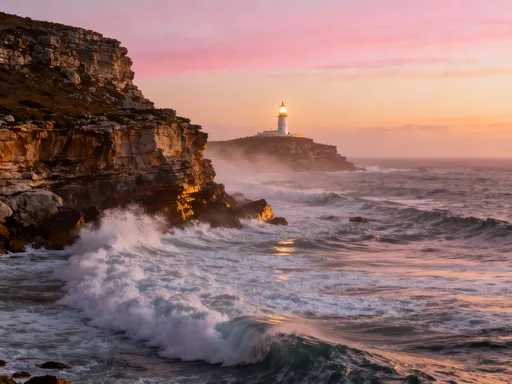
Stretching westward from Hiroshima, the Seto Inland Sea unfolds like a living mosaic of water and land. With more than 120 islands scattered across its calm, sun-dappled surface, this region is one of Japan’s most geologically unique and visually captivating. The sea’s sheltered position between Honshu, Shikoku, and Kyushu has created a stable climate, low wave action, and exceptional visibility—conditions that have allowed delicate ecosystems and dramatic coastal formations to flourish. Here, nature reveals itself in subtle textures: the smoothness of tidal flats at dawn, the jagged edges of ancient rock formations, and the soft green of moss-covered stone paths winding through quiet villages.
Among the most enchanting clusters are the Shiwaku Islands, a historic network of small landmasses once known for their seafaring culture. Today, they offer a rare opportunity to experience island life at its most authentic. Cycling from island to island via the Shimanami Kaido—a dedicated cycling route connected by a series of elegant bridges—allows travelers to move with the rhythm of the tides and the pace of local life. Each island has its own character: some are blanketed in citrus groves, others dotted with centuries-old temples or artisan workshops. The journey itself becomes the destination, a slow unfolding of sea views, salt-kissed breezes, and the gentle clatter of bicycle wheels on bridge grating.
For those seeking a more intimate encounter, walking during low tide offers a unique perspective. As the water recedes, hidden sandbars and rocky causeways emerge, revealing pathways that connect islands only accessible at certain times of day. Kayaking through narrow straits provides another vantage point, allowing paddlers to glide past sea caves, observe seabirds nesting in cliff faces, and feel the quiet pulse of the ocean. These activities are not just recreational—they are immersive, engaging the senses and deepening one’s awareness of the delicate balance between land and sea.
Practical planning enhances the experience. The best times to visit are spring (March to May) and autumn (September to November), when temperatures are mild, skies are clear, and the landscape bursts with seasonal color. Ferry services are frequent and reliable, linking major islands with mainland ports like Onomichi and Imabari. Travelers should pack light, bring sturdy walking shoes, and carry water and sun protection—especially when cycling under the open sky. Local tourism offices provide updated maps and tide charts, essential tools for safe and rewarding exploration. By respecting the natural rhythms of the sea, visitors become part of its story, not just observers.
Miyajima’s Mystical Terrain: Where Nature Meets the Sacred
No visit to Hiroshima is complete without a journey to Miyajima, the “island of the gods.” While most travelers flock to see the iconic floating torii gate of Itsukushima Shrine, the island’s true magic lies beyond the postcard image—in its forested slopes, tidal rhythms, and the ancient volcanic foundation beneath. Miyajima is not just a cultural treasure; it is a living landscape shaped by natural forces and revered for centuries as a place of spiritual power. The island’s topography is dynamic: each day, the tides rise and fall, transforming the shoreline, submerging stone steps, and revealing vast expanses of tidal flats that glisten under the sun.
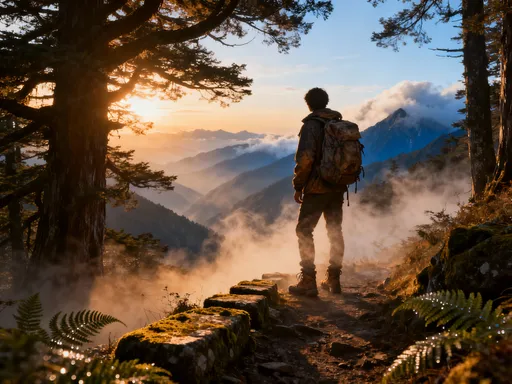
At the heart of this natural wonder is Mount Misen, a 535-meter peak formed by volcanic activity over 20 million years ago. A network of hiking trails winds through dense cedar and maple forests, leading to observation decks with panoramic views of the Seto Inland Sea. Along the way, hikers encounter centuries-old trees whose roots twist through cracked rock, a testament to nature’s persistence. The air is cool and fragrant, filled with the sound of rustling leaves and distant bird calls. This is not a manicured park, but a wild, protected forest—one where nature is allowed to thrive on its own terms.
Mindful exploration is essential. Visitors are encouraged to stay on marked paths to prevent soil erosion and protect fragile plant life. The island is home to sika deer, which roam freely and are considered sacred messengers in Shinto tradition. Observing them from a respectful distance enhances the sense of reverence that defines the experience. Timing visits with the tides is equally important: arriving at low tide allows for walks across the seabed to the base of the torii gate, while high tide offers the classic view of the gate seemingly afloat on water. This daily transformation reminds us of nature’s constant change—and our small place within it.
The philosophy behind visiting Miyajima aligns with the Japanese concept of *satoyama*—the harmonious relationship between people and nature. Here, human presence is not intrusive but integrated. The shrine, the forest, and the sea coexist in a delicate balance, maintained through centuries of care and respect. Travelers who approach the island with quiet attention, rather than hurried sightseeing, often leave with a deeper sense of peace. It is not just what they see, but how they feel—connected, humbled, and gently restored.
The Chugoku Mountains: Quiet Valleys and Hidden Rivers
West of Hiroshima City, the Chugoku Mountains rise in a series of rolling ridges and deep river valleys, forming one of Japan’s most serene and ecologically rich highland regions. This vast, forested expanse remains largely untouched by mass tourism, offering solitude and immersion in nature’s quiet grandeur. Among its most striking features are the Takano River Valley and Sandan-kyo Gorge—remote, lush landscapes shaped by millennia of fluvial erosion. Here, water has carved dramatic rock walls, created plunge pools of startling clarity, and nurtured rare plant and animal species found nowhere else in the region.
Sandan-kyo, in particular, is a masterpiece of natural sculpture. Three major waterfalls—Myojin, Byobu, and Taikodaki—cascade down layers of red and gray conglomerate rock, their names drawn from traditional Japanese imagery (a dragon’s eye, a folding screen, a drum). The gorge is accessible via a well-maintained hiking trail that follows the river, crossing wooden bridges and passing through tunnels carved into the cliffside. The sound of rushing water, the cool mist on the skin, and the deep green of moss-covered boulders create a sensory experience that feels almost sacred. It is easy to understand why this area has long been associated with spiritual retreat and poetic inspiration.
For travelers, the Chugoku Mountains offer more than scenic beauty—they provide opportunities for deep rejuvenation. Natural hot springs, or *onsen*, are scattered throughout the region, fed by geothermal activity beneath the mountains. Soaking in these mineral-rich waters after a day of hiking is not just relaxing; it is a traditional practice that aligns body and mind with the rhythms of the earth. Mountain lodges and family-run inns offer simple, nourishing meals made from local ingredients—wild vegetables, river fish, and mountain-grown rice—further connecting visitors to the land.
Accessing these remote areas requires some planning. Local buses connect major towns like Akiyoshi and Yoshida to trailheads, though service can be infrequent, especially on weekends. Guided eco-tours are available through regional tourism associations and provide valuable insight into the area’s geology, flora, and conservation efforts. Safety is also a consideration: the mountains are prone to sudden weather changes, and flash floods can occur after heavy rains. Travelers are advised to check weather forecasts, carry emergency supplies, and avoid riverbeds during periods of high water. With care and respect, however, the Chugoku Mountains offer one of Japan’s most rewarding slow travel experiences—a journey into stillness, depth, and natural wonder.
Tottori Sand Dunes and the Sea of Japan Coastline
Though slightly beyond Hiroshima’s borders, the Tottori Sand Dunes are within easy reach by train or car—a day trip that delivers a breathtaking contrast to the region’s forested mountains and tranquil islands. Located along the Sea of Japan coast, these dunes stretch for 16 kilometers and rise up to 50 meters, forming a surreal desert-like landscape beside the ocean. This phenomenon is rare in Japan and results from a unique combination of factors: the erosion of the Chugoku Mountains, the transport of sediment by the Sendai River, and the persistent action of seasonal winds that shape and shift the sands year after year.
Walking the dunes at sunrise or sunset reveals their ever-changing textures and colors—shifting from gold to amber to deep shadow as the light moves. The experience is both humbling and liberating: the vastness of the sand, the sound of wind over dunes, and the distant roar of the sea create a sense of solitude and scale that is hard to find elsewhere. For the adventurous, sandboarding down the slopes offers a thrilling way to engage with the landscape, while early-morning strolls provide moments of quiet reflection. The dunes are also home to specialized plant species that have adapted to the harsh conditions, their roots anchoring the sand and preventing erosion.
Visitors are encouraged to combine the trip with stops at local seafood markets, where fresh crab, squid, and oysters are served with minimal seasoning to highlight their natural flavor. Regional rail passes, such as the JR San'in Area Pass, make travel convenient and cost-effective, allowing exploration of nearby cultural sites like the Tottori Sand Museum, which features intricate sand sculptures from around the world. Yet, even as the dunes draw admiration, they also serve as a reminder of environmental fragility. Climate change and coastal development have affected wind patterns and sediment flow, leading to increased erosion in some areas. Conservation efforts, including re-vegetation projects and visitor education, aim to preserve this unique ecosystem for future generations.
Responsible tourism is key. Travelers are asked to stay on designated paths, avoid disturbing vegetation, and carry out all waste. By engaging with the dunes not as a spectacle but as a living landscape, visitors contribute to its protection. The experience becomes more than sightseeing—it becomes stewardship, a quiet commitment to preserving beauty in all its forms.
How to Travel Slowly and Responsibly Through These Landscapes
Slow travel is not merely about moving at a leisurely pace; it is a mindset, a way of being present in a place rather than rushing through it. In Hiroshima’s natural landscapes, this approach yields the greatest rewards. It allows time to notice the curve of a river, the pattern of lichen on a rock, the way light filters through a forest canopy. It fosters connection—not just with the land, but with local communities, traditions, and rhythms of daily life. The practical expression of this philosophy begins with preparation: packing light, choosing eco-friendly transportation, and supporting local businesses such as family-run inns, farm-to-table restaurants, and artisan cooperatives.
Transportation choices matter. Ferries, bicycles, and walking are not only low-impact but also enhance the experience. Cycling across the Shimanami Kaido, for example, allows travelers to feel the wind, smell the sea, and stop whenever a view or village calls. Using public buses and regional trains reduces carbon emissions and supports local infrastructure. When driving is necessary, carpooling or renting hybrid vehicles can minimize environmental impact. Accommodations that emphasize sustainability—such as those using solar power, composting toilets, or rainwater harvesting—offer not just comfort but alignment with ecological values.
Equally important is the way we engage with the places we visit. Minimizing waste, avoiding single-use plastics, and carrying reusable bottles and bags are simple yet powerful acts. Respecting sacred sites, following trail markers, and observing wildlife from a distance protect both the environment and cultural integrity. Before visiting sensitive areas, taking time to understand the local geology, history, and conservation challenges fosters deeper appreciation and more thoughtful behavior. Many regional tourism offices and NGOs offer guided nature programs that combine education with hands-on stewardship, such as beach cleanups or tree planting.
For personal enrichment, travelers are encouraged to keep journals, sketch landscapes, or practice mindful photography—capturing moments not for social media, but for reflection. These practices slow perception, sharpen attention, and create lasting memories. The goal is not to check off destinations, but to cultivate presence. By traveling this way, we shift from being consumers of scenery to participants in a living landscape—one that gives us beauty, peace, and perspective in return.
Why These Landscapes Stay With You Long After You Leave
Urban landmarks impress, but natural landscapes transform. The mountains, islands, and dunes of Hiroshima do not simply fill memory with images; they imprint the soul with stillness, scale, and a sense of timelessness. Unlike the fleeting excitement of a crowded tourist site, the quiet moments in these wild places—the hush of a forest trail, the glow of dawn over the sea, the warmth of an onsen under a starry sky—resonate long after the journey ends. They become internal touchstones, recalled in moments of stress or distraction, offering a mental return to balance and clarity.
What makes these experiences so enduring is their invitation to presence. In a world that moves too fast, these landscapes ask us to slow down, to listen, to simply be. They remind us of the earth’s quiet power and delicate fragility—the way water shapes stone, how tides erase and reveal, how life persists in the harshest dunes. This awareness does not fade; it grows. It changes the way we travel elsewhere—more patiently, more respectfully, more attentively. It deepens our relationship with nature, not as something to conquer or consume, but as a source of wisdom and healing.
And perhaps most importantly, these journeys reconnect us with a sense of belonging. In the stillness of a mountain valley or the vastness of a coastal dune, the boundaries between self and world soften. We remember that we are part of something larger, woven into the same fabric of time and tide. This is not escapism, but homecoming. The wild beauty of Hiroshima does not offer answers—it offers space. Space to breathe, to reflect, to heal. For those willing to listen, the land whispers back: you are not lost. You are here. And here is enough.