One Bite at a Time: How Driving Through Salzkammergut Led Me to Austria’s Soul on a Plate
There’s something magical about winding mountain roads, mirror-like lakes, and the smell of warm bread drifting from a village bakery. When I set off to explore Austria’s Salzkammergut by car, I wasn’t just chasing views—I was hunting flavor. What I found went beyond postcard-perfect scenery: it was in cozy inns, family-run taverns, and roadside stalls where food told stories. This journey wasn’t just about getting from point A to B—it was about tasting every mile in between. The rhythm of the open road, the quiet pause at a lakeside village, the warmth of a shared meal—these became the markers of a deeper kind of travel. In Salzkammergut, every bite carried history, landscape, and a quiet kind of belonging.
The Open Road to Salzkammergut: Why Driving Unlocks the Region’s Heart
Driving through the Salzkammergut is not merely a way to get around—it is the very essence of the journey. This region, nestled between the Dachstein Mountains and the Traun River, spans over 500 square kilometers of lakes, forests, and alpine villages. While public transportation connects major towns like Hallstatt and Bad Ischl, the true soul of Salzkammergut lies in the spaces between—tiny hamlets, family-run farms, and lakeside clearings where the scent of wood-fired ovens lingers in the morning air. Only by car can travelers access these hidden corners, where culinary traditions remain untouched by mass tourism.
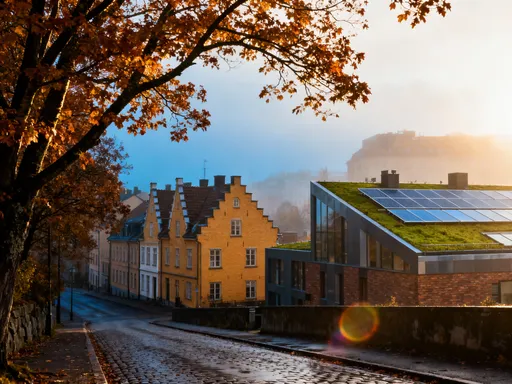
The Salzkammergut Grand Tour, a scenic driving loop of approximately 350 kilometers, offers a structured yet flexible way to experience the region. Starting from Salzburg and looping through the heart of the lake district, the route passes over gentle mountain passes, alongside glassy lakes, and through valleys carpeted with wildflowers in spring. Each turn reveals a new vista: a steepled church rising above a pine forest, a cluster of painted houses reflecting in still water, or a farmstead perched on a hillside, its cows grazing on steep pastures. The road itself becomes a companion, winding with purpose and grace through one of Europe’s most breathtaking landscapes.
Driving conditions in Salzkammergut are generally excellent. Austrian roads are well-maintained, clearly marked, and equipped with rest areas, fuel stations, and signage in both German and English. Mountain roads, while narrow in places, are safe and suitable for standard rental vehicles. Winter travel requires caution—snow and ice can make some high-altitude passes challenging—but from late spring through early autumn, the roads are ideal for leisurely exploration. Having a car means you can stop when you see a roadside stand selling homemade jam, pull over to photograph a mirror-calm lake at sunrise, or follow a local’s suggestion to a hidden Gasthof that doesn’t appear on any map.
Flexibility is the greatest gift of a self-drive journey. Public transit schedules may limit your time in a village, but with your own vehicle, you can linger over coffee in St. Wolfgang, wait for the evening light to gild the peaks around Lake Fuschl, or arrive early at a weekly farmers’ market before the crowds. This freedom allows for spontaneity—the kind that leads to the best travel memories. It also opens the door to culinary discoveries that would otherwise be missed: a dairy farm offering fresh butter and cheese tastings, a seasonal trout grill by the shore, or a family-run bakery pulling warm apple strudel from the oven at 10 a.m. precisely.
Lakeside Villages and Culinary Crossroads: Mapping the Region’s Food Identity
The Salzkammergut is not a single destination but a tapestry of villages, each with its own rhythm, history, and flavor. From the UNESCO-listed beauty of Hallstatt to the imperial elegance of Bad Ischl and the artistic charm of St. Gilgen, these communities are shaped as much by their geography as by their culinary traditions. Nestled between mountains and lakes, they rely on what the land and water provide: alpine herbs, free-range dairy, wild mushrooms, and freshwater fish. The result is a cuisine that is both hearty and refined, born of necessity but elevated by centuries of craftsmanship.
Hallstatt, perched on a narrow strip of land between steep cliffs and the deep blue waters of Lake Hallstatt, has a food culture rooted in preservation and simplicity. With limited arable land, villagers historically depended on smoked fish, cured meats, and fermented dairy. Today, local restaurants still honor these traditions, serving dishes like Geräucherte Forelle (smoked trout) with boiled potatoes and buttery chives. The town’s proximity to ancient salt mines—its name derives from “Salz,” meaning salt—also influenced its culinary identity. Salt was once so valuable it was called “white gold,” and it played a crucial role in preserving food for long winters. This legacy lives on in the region’s love for salt-cured charcuterie and brined cheeses.
Bad Ischl, once the summer retreat of Emperor Franz Joseph and Empress Elisabeth, carries a more refined culinary tone. The imperial presence brought French-inspired techniques and a culture of afternoon tea and delicate pastries. The famous Konditorei Zauner, established in 1832, still serves the emperor’s favorite desserts, including a light sponge cake layered with apricot jam and whipped cream. While visitors come for the historic charm, locals know the best meals happen in modest Gasthöfe on the town’s outskirts, where slow-cooked beef goulash and hand-rolled dumplings are served on checkered tablecloths.
St. Wolfgang, at the northern tip of Lake Wolfgang, blends pilgrimage history with lakeside abundance. The village is home to the pilgrimage church of St. Wolfgang and a long tradition of serving travelers. Its cuisine reflects this role—nourishing, generous, and deeply satisfying. Pan-fried trout from the lake, served with parsley and lemon, is a staple, as is Steckerlfisch, fish grilled on wooden skewers over an open flame, often found at summer festivals. Markets in these villages overflow with seasonal produce: red currants in June, wild blueberries in August, and plump pumpkins in autumn, all destined for jams, soups, and baked goods.
What ties these villages together is a shared respect for ingredients and seasonality. There is no industrial farming here—just small-scale dairies, family-run fisheries, and orchards that have been in the same hands for generations. This connection to the land makes every meal feel intentional, a celebration of what the region can offer at that moment in time. Dining in Salzkammergut is not about luxury; it is about authenticity, continuity, and the quiet pride of those who grow, raise, and prepare the food.
Must-Try Dishes: The Flavors That Define a Drive Through the Region
No journey through Salzkammergut is complete without tasting its culinary soul. The region’s dishes are more than meals—they are edible stories, passed down through generations and shaped by the alpine environment. Each bite connects you to centuries of tradition, to the rhythm of the seasons, and to the hands that prepared it. Whether served in a centuries-old inn or a roadside hut with plastic chairs, these dishes carry the weight of heritage and the warmth of home cooking.
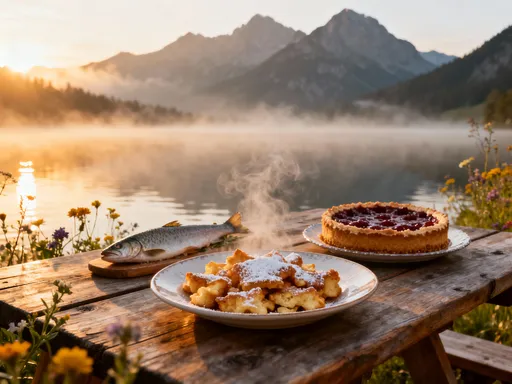
One cannot speak of Austrian cuisine without mentioning Kaiserschmarrn, a fluffy shredded pancake often served as a dessert or hearty midday meal. Legend has it that Emperor Franz Joseph loved this dish so much that it was named in his honor. Made with eggs, flour, milk, and a touch of rum, the batter is fried until golden, then torn into pieces and dusted with powdered sugar. It’s often served with a side of plum compote, the tartness cutting through the richness. The best versions are found in mountain huts accessible only by car or foot, where the cook uses fresh eggs from their own chickens and serves it hot from the pan.
Equally iconic is Speckknödel, a dumpling made with cubes of smoked bacon, stale bread, onions, and herbs, then boiled or pan-fried. These dense, savory dumplings are a staple in alpine regions, where they provided energy for long days of herding or logging. In Salzkammergut, they often accompany clear soups or rich meat stews. Some inns serve them sliced and grilled, creating a crispy exterior that gives way to a soft, smoky center. The dish is a testament to resourcefulness—using leftover bread and cured meat to create something deeply satisfying.
Freshwater fish, especially trout, play a central role in the region’s cuisine. Forelle Müllerin, or “miller’s wife’s trout,” refers to a whole trout pan-fried in butter until the skin is crisp and the flesh is tender. The name is said to come from the flour coating, which resembles the white dust of a miller’s apron. Served simply with boiled potatoes and a green salad, it highlights the purity of the lakes. Many restaurants source their fish directly from local nets, ensuring freshness and supporting small fisheries. In summer, roadside grills offer Steckerlfisch, where trout or char are skewered and slow-roasted over beechwood fires, infusing them with a delicate smokiness.
No culinary tour would be complete without dessert. Linzertorte, one of the world’s oldest known cake recipes, originates from Upper Austria and is widely available in Salzkammergut. With a lattice crust made from a nut-based dough and a filling of red currant jam, it is both elegant and rustic. Served with a dollop of unsweetened whipped cream, it strikes the perfect balance between sweet and tart. Bakers take pride in their versions, often guarding their family recipes closely. Tasting one in a quiet café, with a view of the lake outside, feels like a moment of pure indulgence.
Off-the-Beaten-Path Eateries: Where Locals Eat (and Why You Should Too)
The most memorable meals in Salzkammergut are rarely found in tourist brochures. They happen in places with no websites, no Instagrammable decor, and no English menus—just good food, warm service, and a sense that you’ve stumbled upon something real. These are the Bauernhöfe (farm inns), seasonal stands, and mountain huts that thrive on word-of-mouth and local loyalty. Reaching them requires a car, a sense of adventure, and sometimes a bit of luck, but the reward is a meal that feels deeply connected to the place and its people.
In the hills above Hallstatt, tucked between meadows and forest trails, family-run farms open their doors to visitors during the summer months. These Bauernhöfe serve meals made entirely from their own produce: milk turned into cheese and butter, eggs from free-range hens, vegetables from the garden, and meat from animals raised on the property. One such farm, reachable by a narrow gravel road, offers a fixed menu of soup, dumplings, and roast pork, followed by apple strudel baked with fruit from their orchard. There is no choice, no substitutions—just what is available that day. This simplicity is part of the charm, a reminder that food should be seasonal, honest, and unpretentious.
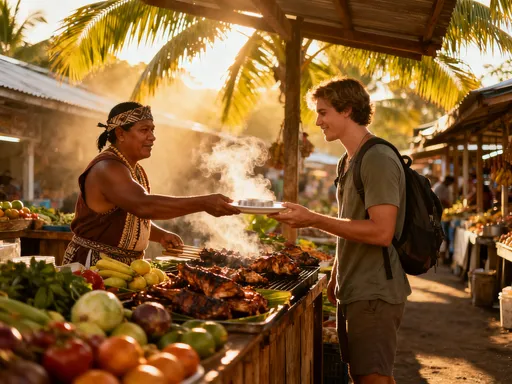
Along the shores of Lake Attersee, seasonal pop-up stands appear in summer, often run by fishermen who grill their daily catch on open grills. These makeshift eateries have no tables—just a counter where you order and a few benches nearby. The fish is cooked to order, served on paper with a slice of lemon and a piece of bread. There is no frills, no branding, just the taste of the lake and the breeze off the water. These stands are rarely advertised, but locals know when and where they appear, often marking their calendars for the opening weekend.
Mountain huts, or Almhütten, are another culinary treasure. Accessible only by car and a short hike, these wooden shelters are run by Senner (herders) who spend the summer months tending cattle on high pastures. Many serve simple meals: cheese platters, bread, and buttermilk, sometimes with a hot soup or stew. The cheese—often a sharp, alpine variety—is made on-site from fresh milk. Eating here feels like stepping into another time, where food is tied to the rhythm of nature and human labor. The journey to reach these huts—winding roads, steep paths, unpredictable weather—only deepens the sense of reward when you finally sit down to eat.
These off-the-beaten-path experiences require a shift in mindset. They are not about convenience or speed, but about presence. They ask you to slow down, to engage, to accept what is offered. There may be no credit card machine, no gluten-free options, no vegan substitutes—but there is authenticity. And for many travelers, especially those seeking a deeper connection to a place, that authenticity is worth more than any five-star review.
Practical Bites: Planning Your Culinary Road Trip
A successful culinary road trip through Salzkammergut blends preparation with openness to discovery. While spontaneity leads to some of the best moments, a few practical steps can enhance the experience and ensure you don’t miss key opportunities. The region’s food culture is seasonal, so timing your visit around harvests, festivals, and local traditions can make a significant difference.
The best time to visit for food lovers is from late May to early October. Summer brings fresh dairy, ripe berries, and abundant fish. July and August host numerous Almabtrieb festivals, where decorated cows are paraded down from high pastures, and villages celebrate with open-air feasts, music, and local wine. Autumn offers mushrooms, game, and pumpkin-based dishes, while September and October are prime months for apple and pear harvests, meaning fresh cider and warm strudel are widely available. Winter has its charms—Christmas markets in Bad Ischl and St. Wolfgang offer spiced wine, roasted nuts, and gingerbread—but many rural eateries close during the off-season.
When identifying authentic restaurants, look for places with handwritten menus, daily specials written on a chalkboard, and a lack of tourist-oriented signage. Family-run Gasthöfe often have names like “Zum Gamsbart” or “Zur Post,” and their dining rooms feature wooden beams, checkered tablecloths, and framed photos of local events. If the menu is in German only, that’s often a good sign. Avoid restaurants with multilingual menus displayed outside and generic names like “Alpine View Restaurant”—these are often geared toward mass tourism and use frozen or imported ingredients.
Learning a few basic German food terms can enhance your experience. Tagesmenü means daily menu, hausgemacht means homemade, and aus der Region means locally sourced. Don’t hesitate to ask for recommendations—many owners are happy to explain what’s fresh that day. Reservations are recommended for dinner at popular inns, especially on weekends, but lunch is usually first-come, first-served.
Practical tips include packing a small cooler in your car for local cheeses, sausages, and jams purchased at farm stands. These make excellent snacks and souvenirs. Bring reusable bags for market visits, and consider carrying cash—many small vendors and rural huts do not accept cards. Parking is generally easy in villages, but popular lakeside towns like Hallstatt can get crowded in peak season, so arriving early is wise. Balance structured planning with room for detours—a sign for “Frische Butter” or “Forelle direkt vom Boot” is worth following.
Beyond the Plate: How Food Connects You to Culture and Landscape
In Salzkammergut, food is never just sustenance. It is a language, a bridge between traveler and local, between past and present. Every meal becomes an act of cultural immersion, a way to understand the values, history, and daily life of the people who call this region home. Sitting in a village inn, sharing a table with a farming family, or accepting a slice of cake from an elderly woman at a market—these moments foster connection in a way that sightseeing alone cannot.
The ingredients themselves tell the story of the landscape. The rich dairy comes from cows that graze on alpine meadows filled with wild herbs. The clarity of the lakes ensures clean, flavorful fish. The cold winters and short growing seasons have shaped a cuisine that preserves and celebrates what is available. Nothing is wasted; everything is honored. This respect for resources reflects a broader philosophy—one of sustainability, humility, and care for the land.
Dining in Salzkammergut also encourages a slower pace of life. Meals are not rushed. Coffee lasts for hours. A single slice of cake is accompanied by conversation. This is the antithesis of fast food culture—a return to mindfulness, to presence, to savoring. It invites travelers to pause, to breathe, to truly taste. In a world that often feels hurried and disconnected, this slowness is a gift.
Food also preserves tradition. Recipes are passed from grandmother to granddaughter. Festivals center around seasonal abundance. Even the way meals are served—family-style, shared, with pride—reflects a communal spirit. By participating in this culture, even as a visitor, you become part of a living tradition. You are not just observing heritage; you are experiencing it, one bite at a time.
The Last Stop: Why This Journey Stays With You Long After the Engine Cools
The car may return to the rental lot, the map may be folded away, but the taste of Salzkammergut lingers. It is not just the flavor of buttery dumplings or wood-fired trout that stays with you—it is the feeling of connection, of being welcomed, of discovering a place through its most intimate offering: food. This journey, driven by curiosity and appetite, becomes more than a vacation. It becomes a memory woven from scent, sound, and taste—a story you carry within you.
Salzkammergut teaches us that travel is not only about what we see, but what we savor. The winding roads lead not just to lakes and peaks, but to kitchens, markets, and tables where stories are shared. The true richness of the region lies not in its postcard views, but in its quiet moments: a farmer offering a sample of fresh cheese, a child handing you a wild strawberry, a cook smiling as you finish every bite.
For women in their thirties to fifties—often balancing family, work, and personal dreams—this kind of journey offers something rare: a chance to slow down, to indulge the senses, to reconnect with joy. It is not about extravagance, but about authenticity. It is about remembering that life, like a well-made Linzertorte, is richer when shared, when layered with care, and when made from the best ingredients.
So let the open road call you. Let your appetite guide you. Drive through Salzkammergut not just to see Austria’s soul—but to taste it, one bite at a time.