You Won’t Believe These Hidden Natural Escapes in the Heart of Kuala Lumpur
Who says city life and nature can’t mix? I was blown away discovering how much greenery thrives in the middle of Kuala Lumpur. From misty hilltop trails to quiet jungle streams, this city hides some seriously stunning natural spots. If you’re looking to escape the urban rush without leaving the city, these places are absolute gems. Let me take you through the lush side of KL that most tourists—and even locals—often overlook.
Reimagining Kuala Lumpur: A City Alive with Nature
Kuala Lumpur is often celebrated for its soaring skyscrapers, bustling streets, and vibrant urban culture. The Petronas Twin Towers, glittering shopping malls, and endless food markets paint a picture of a city in constant motion. Yet beneath this modern surface lies a surprising truth: KL is also a city deeply intertwined with nature. While many assume that green spaces are sacrificed for concrete and glass, the reality is quite different. Careful urban planning over decades has preserved pockets of lush forest, botanical gardens, and tranquil lakes, making KL one of Southeast Asia’s most green-integrated capitals.
The Malaysian government, in collaboration with local environmental groups, has long recognized the importance of maintaining natural areas within city limits. Initiatives such as the KL City Forest Program and the development of park connector networks have ensured that residents and visitors alike can access green zones without needing to travel far. These efforts are not merely aesthetic—they serve vital ecological functions. Urban forests help reduce air pollution, lower city temperatures, and provide habitats for native species, from hornbills to monitor lizards. More than that, they offer mental respite in a fast-paced environment.
For the modern family woman juggling responsibilities, these green spaces offer something invaluable: a chance to breathe. Whether it’s a morning walk under the canopy, a weekend picnic with children, or a quiet moment by a pond, nature in KL provides balance. Tourism has also benefited, as travelers increasingly seek destinations that blend urban convenience with natural beauty. KL’s ability to offer both makes it a model for sustainable city living. The message is clear—nature is not separate from city life; it is an essential part of it.
Bukit Nanas Forest Reserve: The Green Lung in the City Center
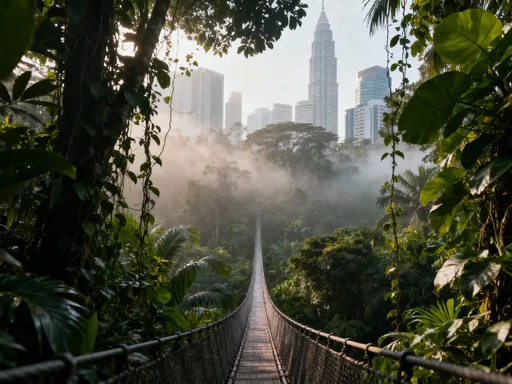
Nestled between the towering office buildings of Jalan P. Ramlee and the bustling streets of Bukit Nanas lies a 13.5-hectare tropical rainforest that has stood for over a century. Known as the Bukit Nanas Forest Reserve, this is the only remaining virgin jungle within Kuala Lumpur’s city center. Often referred to as the city’s “green lung,” it serves as a vital oxygen source and a sanctuary for wildlife, including rare birds, squirrels, and even the occasional civet cat. What makes this forest so remarkable is not just its ecological value, but its accessibility—just a short walk from the KL Monorail’s Bukit Nanas station.
Visitors stepping into the reserve are immediately enveloped by the sounds of chirping birds and rustling leaves. The air feels cooler, fresher, a welcome contrast to the heat of the surrounding streets. One of the highlights is the elevated canopy walkway, which stretches about 180 meters and rises several meters above the forest floor. From this vantage point, walkers can observe the layered structure of the rainforest—emergent trees piercing the sky, a dense middle canopy, and the shaded understory below. It’s a rare opportunity to experience a tropical forest without leaving the city.
Birdwatching is a favorite activity here, with species such as the blue-winged pitta, black-naped oriole, and racket-tailed drongo spotted regularly. The reserve also features informative signage that explains the different plant species, from towering dipterocarps to medicinal herbs used in traditional Malay healing. Guided tours are available on weekends, led by trained naturalists who share insights about the ecosystem and conservation efforts. For safety, visitors are advised to wear comfortable walking shoes, bring water, and avoid visiting during or after heavy rain when trails may become slippery.
The Allure of KL Forest Eco Park (Formerly Bukit Nanas)
You may come across two names—Bukit Nanas Forest Reserve and KL Forest Eco Park—and wonder if they refer to different places. In fact, they are the same protected area. The name “KL Forest Eco Park” was introduced in recent years as part of a rebranding effort to emphasize its role as an urban ecological destination. This update reflects a broader shift in how the city views its green spaces—not just as remnants of the past, but as living, evolving ecosystems that serve both nature and people.
The park’s walking trails are well-maintained and clearly marked, making it easy for visitors of all ages to explore. The main loop trail takes about 45 minutes to complete at a leisurely pace, winding through primary and secondary forest sections. Along the way, interpretive panels provide educational content about biodiversity, forest conservation, and the importance of protecting watersheds. These panels are especially engaging for families, offering children a chance to learn about nature in an interactive way.
What sets KL Forest Eco Park apart is its commitment to sustainability. The site uses solar-powered lighting, rainwater harvesting systems, and eco-friendly construction materials in its facilities. Waste bins are clearly labeled for recycling, and plastic bottles are discouraged in favor of reusable containers. These small but meaningful details reflect a larger philosophy: that urban nature should be preserved not just for beauty, but for long-term environmental health. The park also hosts regular community events, such as tree-planting days and nature sketching workshops, fostering a sense of stewardship among residents.
Guided tours, offered in English and Malay, are a great way to deepen your understanding of the forest. Led by certified eco-guides, these walks cover topics such as plant identification, animal tracking, and the role of forests in climate regulation. They are particularly popular with school groups and families looking for enriching weekend activities. Whether you come for a quick escape or a full educational experience, KL Forest Eco Park proves that nature and city life can coexist in harmony.
Perdana Botanical Garden: Where Nature Meets Leisure
Just a short distance from the city center lies the Perdana Botanical Garden, formerly known as the Lake Gardens. Spanning over 90 hectares, this expansive green space has been a cornerstone of KL’s urban landscape since the late 19th century. Originally developed during the British colonial era as a recreational area, it has evolved into a multifaceted destination that blends horticulture, leisure, and conservation. Today, it is one of the city’s most beloved parks, attracting families, joggers, photographers, and nature lovers from all walks of life.
The garden’s layout is thoughtfully designed, with winding pathways, scenic lakes, and themed sections that showcase Malaysia’s rich botanical diversity. Among the most popular attractions is the Orchid Garden, home to over 800 species and hybrids of orchids, including the national flower, the bunga raya (hibiscus). The blooms are vibrant and fragrant, creating a sensory delight for visitors. Nearby, the Deer Park offers a gentle encounter with nature—children can observe spotted deer grazing in a secure enclosure, separated by low fencing that allows for close but safe viewing.
Water features play a central role in the garden’s appeal. The large central lake is dotted with water lilies and frequented by kingfishers and herons. Visitors can rent paddle boats or simply sit on shaded benches to enjoy the view. Other highlights include the Hibiscus Garden, the Fern House, and the Rose Garden, each offering unique textures and colors throughout the year. Shaded picnic zones with tables and grills make it an ideal spot for family gatherings, especially on weekends when the atmosphere is lively yet peaceful.
For those seeking tranquility, the early morning hours—between 6:00 and 8:00 AM—are the best time to visit. The air is cool, the light is soft, and the park is less crowded, making it perfect for photography or quiet reflection. Birdwatchers will appreciate the variety of species that inhabit the area, from bulbuls to mynas. The garden also hosts seasonal events, such as flower exhibitions and cultural performances, adding to its charm. More than just a park, Perdana Botanical Garden is a living testament to the city’s commitment to preserving beauty and biodiversity.
Bukit Gasing: A Hidden Trail for Urban Hikers
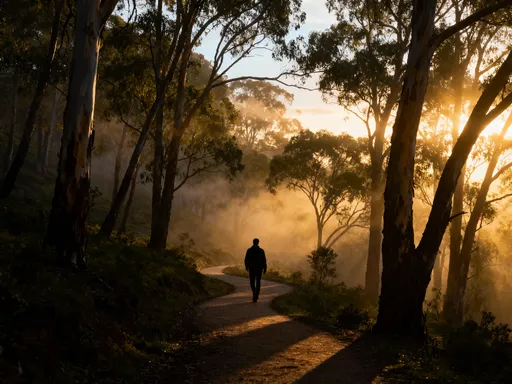
For those craving a more adventurous escape, Bukit Gasing offers a rewarding hiking experience just minutes from the city’s edge. Located between Petaling Jaya and KL, this 7.5-kilometer trail network winds through primary and secondary rainforest, with elevation gains of up to 130 meters. Unlike manicured parks, Bukit Gasing feels wild and authentic—a true jungle adventure without the need for a long drive. The trail is well-marked with color-coded paths, making navigation straightforward even for first-time hikers.
The experience begins at the trailhead near Jalan Semangat, where visitors pass under a canopy of tall trees and enter a world of dappled sunlight and earthy scents. The path includes wooden steps, rope handrails, and narrow ridges, offering a moderate challenge that is manageable for most fitness levels. Along the way, hikers may spot banana plants, wild ginger, and even pitcher plants clinging to the forest floor. The sounds of cicadas and distant bird calls enhance the sense of immersion in nature.
One of the most striking aspects of Bukit Gasing is its biodiversity. Despite being surrounded by urban development, the forest supports a range of wildlife, including tree frogs, monitor lizards, and various snake species. Birdwatchers have recorded sightings of the crested serpent eagle and the straw-headed bulbul, both of which are increasingly rare in other parts of the country. The trail also passes remnants of old military bunkers from World War II, adding a subtle historical dimension to the hike.
Accessibility is a key advantage. The trail is reachable by public transport, with nearby LRT stations such as Taman Bahagia and Taman Jaya providing easy connections. Visitors are encouraged to come in groups, wear proper hiking shoes, and carry water and insect repellent. Trail etiquette is important—hikers are asked to stay on marked paths, avoid loud noises, and take all trash with them. These simple rules help protect the environment and ensure a pleasant experience for everyone. Bukit Gasing is not just a trail; it’s a reminder that adventure and serenity are within reach, even in a metropolitan setting.
Taman Tasik Permaisuri: A Serene Escape in Cheras
Located in the residential neighborhood of Cheras, Taman Tasik Permaisuri is a peaceful lake-centered park that offers a refreshing contrast to the city’s hustle. Covering approximately 20 hectares, the park features a large central lake surrounded by jogging and cycling paths, lush green buffers, and open lawns. It is a favorite among local families, fitness enthusiasts, and retirees seeking a quiet place to unwind. Unlike more tourist-heavy spots, this park retains a neighborhood feel, where regulars greet each other and children play freely in designated play zones.
The park’s design prioritizes community wellness. Wide, well-lit pathways make it ideal for morning jogs or evening strolls, while outdoor exercise stations allow visitors to engage in light workouts amidst nature. A covered playground with swings, slides, and climbing frames keeps children entertained, and shaded seating areas provide rest spots for parents and caregivers. Small food kiosks around the perimeter offer local snacks and drinks, from coconut water to grilled corn, adding to the park’s welcoming atmosphere.
The lake itself is a focal point, home to ducks, tilapia, and water lilies. A floating boardwalk extends into the water, offering panoramic views and excellent photo opportunities, especially at sunset. The surrounding greenery acts as a natural air filter and helps cool the area, making it a microclimate of comfort in the urban heat. Community events such as yoga sessions, charity walks, and environmental clean-up days are regularly held here, strengthening social bonds and promoting civic pride.
What makes Taman Tasik Permaisuri special is its accessibility and inclusivity. It is open daily from early morning to late evening, free of charge, and easily reachable by bus or taxi. Families can spend an entire afternoon here without spending a ringgit, enjoying nature, exercise, and quality time together. In a world where leisure often comes with a price tag, this park stands as a rare example of public space designed for everyone. It is not just a park—it is a shared sanctuary for health, happiness, and connection.
Why These Spots Matter: The Bigger Picture of Urban Nature
These green spaces are more than just scenic escapes—they are essential components of a healthy, sustainable city. Scientific studies have consistently shown that access to nature reduces stress, improves mood, and enhances cognitive function. For busy women managing households, careers, and family needs, even a short walk in a park can provide mental clarity and emotional renewal. The presence of trees and water also contributes to physical health by improving air quality and encouraging physical activity.
From an environmental standpoint, urban greenery plays a critical role in climate resilience. Trees absorb carbon dioxide, reduce the urban heat island effect, and help manage stormwater runoff. In a tropical city like KL, where temperatures can soar, these benefits are not just welcome—they are necessary. Preserving forests and parks also supports biodiversity, providing refuge for species that might otherwise disappear due to habitat loss.
For tourism, these natural attractions enhance KL’s appeal as a destination that offers both modernity and authenticity. Travelers today seek meaningful experiences, and walking through a rainforest or watching birds by a lake creates memories that last far longer than a shopping spree. Sustainable tourism thrives when cities protect their natural assets and promote responsible visitation. By maintaining these spaces, KL sets an example for other rapidly developing cities in Asia and beyond.
But preservation requires collective effort. Visitors can contribute by following simple principles: stay on designated paths, avoid littering, respect wildlife, and minimize noise. Local communities can participate in tree-planting drives, clean-up events, and educational programs. When people feel connected to a place, they are more likely to protect it. These green spaces are not just government-managed areas—they are shared treasures that belong to everyone.
Conclusion: Kuala Lumpur’s Natural Soul is Closer Than You Think
Kuala Lumpur is often seen through the lens of its skyline, but its true soul lies in the quiet rustle of leaves, the chirp of birds at dawn, and the cool shade beneath ancient trees. The city’s hidden natural escapes—Bukit Nanas, Perdana Botanical Garden, Bukit Gasing, and Taman Tasik Permaisuri—prove that urban life and nature are not opposites, but partners in creating a balanced, livable environment. These spaces offer more than beauty; they offer breathing room for the body and mind.
You don’t need to travel to remote mountains or distant islands to find peace. Sometimes, the most magical journeys begin just a short walk from home. Whether you’re a resident seeking a moment of calm or a visitor hoping to see a different side of KL, these green sanctuaries welcome you. Explore them mindfully. Share them with your children. Take photos, but also take pauses—to listen, to breathe, to be present.
In a world that moves faster every day, Kuala Lumpur reminds us that nature has not been lost. It has been woven into the city’s fabric, waiting to be noticed. The next time you feel overwhelmed by the noise of daily life, remember: serenity is not far away. It’s right here, in the heart of the city, beneath the canopy, beside the water, in the quiet hum of life thriving alongside us.